
LCC vs Full-Service Airlines: Key Differences
 Huiwon Kim (Check Kim)2026-11-217 min read
Every photo in this post was taken on site by Check Kim.
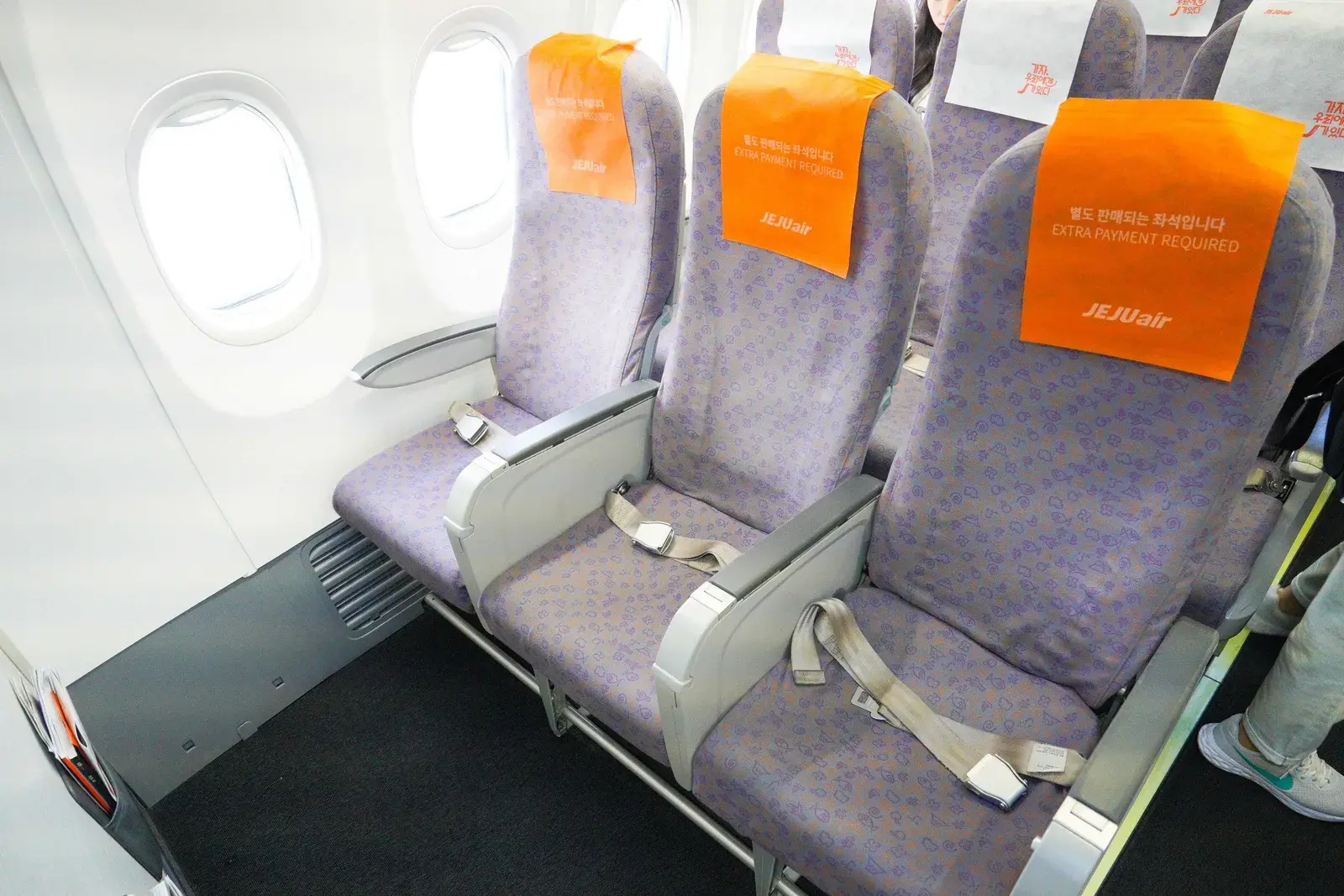
- FSC means
- Full-service carrier
- Main difference
- What the fare includes: bags, seats, meals
- LCC wins
- Short trips, light luggage, fixed plans
- FSC wins
- Families, long-haul, connections, earning miles
Contents · 7
Budget and full-service airlines differ in what the fare includes. Compare bags, seats, meals, miles and connection protection, not just the price.
The biggest difference between a low-cost carrier (LCC) and a full-service carrier (FSC) is what the fare includes. LCCs keep the base fare low and sell bags, seats and meals separately, while full-service airlines usually bundle those in, along with miles and protection on connections. So on the same route, which one is the better deal depends on your luggage, who you're traveling with and how your trip is put together.
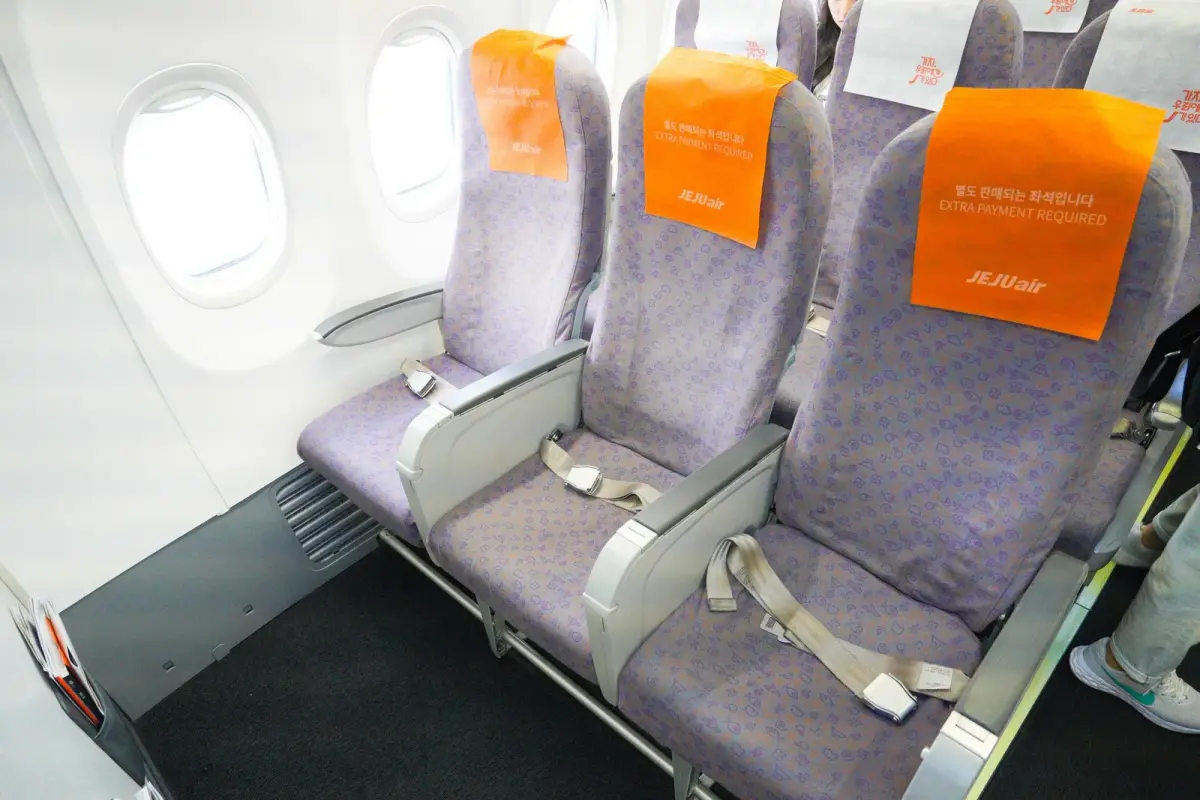
Say you search Seoul (Incheon) to Tokyo. A budget airline shows about $85 and a full-service airline like Korean Air about $175. The LCC looks like a steal.
Add a checked bag, pick seats and factor in the chance you'll change dates, and the picture can change. On the other hand, for a quick trip with only a carry-on, the LCC may well be the smarter buy. Here's how the two compare on baggage, seats, meals, miles, lounges and connections.
What is an FSC?
FSC stands for full-service carrier, sometimes called a legacy or network airline. In South Korea, Korean Air is the main one, and Asiana Airlines is scheduled to merge into Korean Air on December 17, 2026.
Full-service fares include more: checked bags, meals, drinks, some seat selection, miles, a connecting network and elite benefits.
An LCC, or low-cost carrier, shows a low base fare and sells what you need on top.
Category | LCC | FSC |
|---|---|---|
Stands for | Low-cost carrier | Full-service carrier |
Also called | Budget airline | Legacy or network airline |
Korean examples | Jeju Air, Jin Air, T'way Air | Korean Air, Asiana (merging) |
Pricing | Low base fare, extras sold separately | More included in the fare |
Strengths | Short routes, low base fares | Bags, service, miles, connections |
Neither is simply better. They're different business models: an LCC ticket is "pay for what you use," a full-service ticket is "most things included."
Baggage: the biggest price factor
Start with baggage, because checked bags drive most of the price gap.
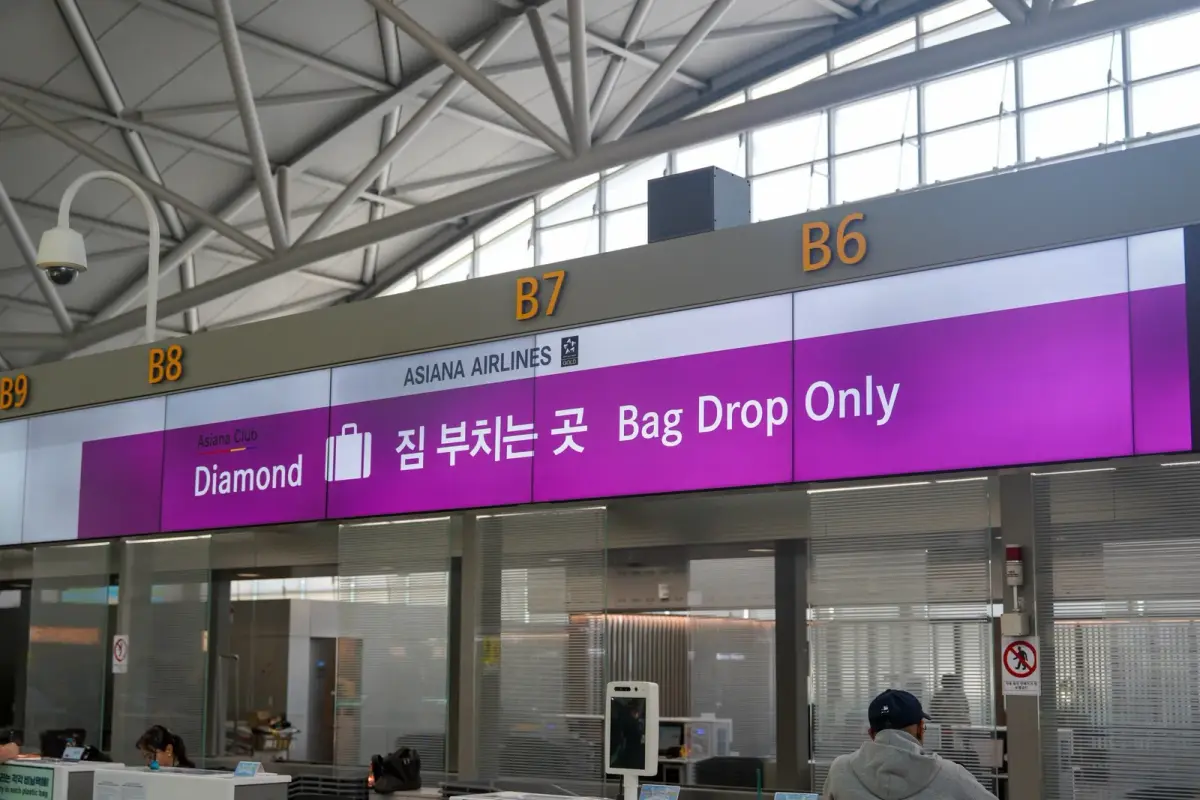
Full-service airlines usually include checked baggage. On international flights that's typically one or two bags depending on route and cabin, and long-haul allowances tend to be more generous.
LCCs may not include a checked bag at all, depending on the fare. Sale and promo fares often cover only a carry-on. Some Korean LCCs, like Jin Air and Parata Air, include 15kg even on their cheapest fares, so check each airline.
Category | LCC | FSC |
|---|---|---|
Carry-on | Usually included | Included |
Checked bag | Depends on fare | Usually included on international flights |
Extra bags | Bought separately | Pay only for excess |
Watch out for | Airport prices are higher | Allowances vary by fare and route |
For a long weekend in Japan with just a carry-on, the LCC often wins.
For a winter trip to Sapporo with bulky clothes, add bag fees before comparing. Families especially: a family of four adding two or three checked bags can push the total up a lot.
Seat selection: matters when you're not alone
Full-service airlines often let you choose a standard seat for free, or at least for free at check-in. Front rows, extra-legroom and preferred seats may still cost extra.
LCCs usually charge for seat selection: windows, aisles, front rows, exit rows and roomier seats can each come with a fee.
Category | LCC | FSC |
|---|---|---|
Standard seat selection | Usually paid | Free or partly paid |
Front rows | Paid | Paid or by status |
Exit rows | Paid | Paid |
Sitting together | May be split up if you don't pay | More likely to be seated together |
Solo travelers can skip the fee and take a random seat. Couples and families are different, especially with kids.
That means paying for seats on an LCC, per person. A family of four selecting seats on a round trip pays that fee eight times, anywhere from a couple of dollars to $30 or more each.
Meals and drinks: small gap on short flights, big gap on long ones
Full-service airlines usually include meals, drinks and snacks depending on the route; even short flights may get a drink or snack, and longer flights get proper meals.
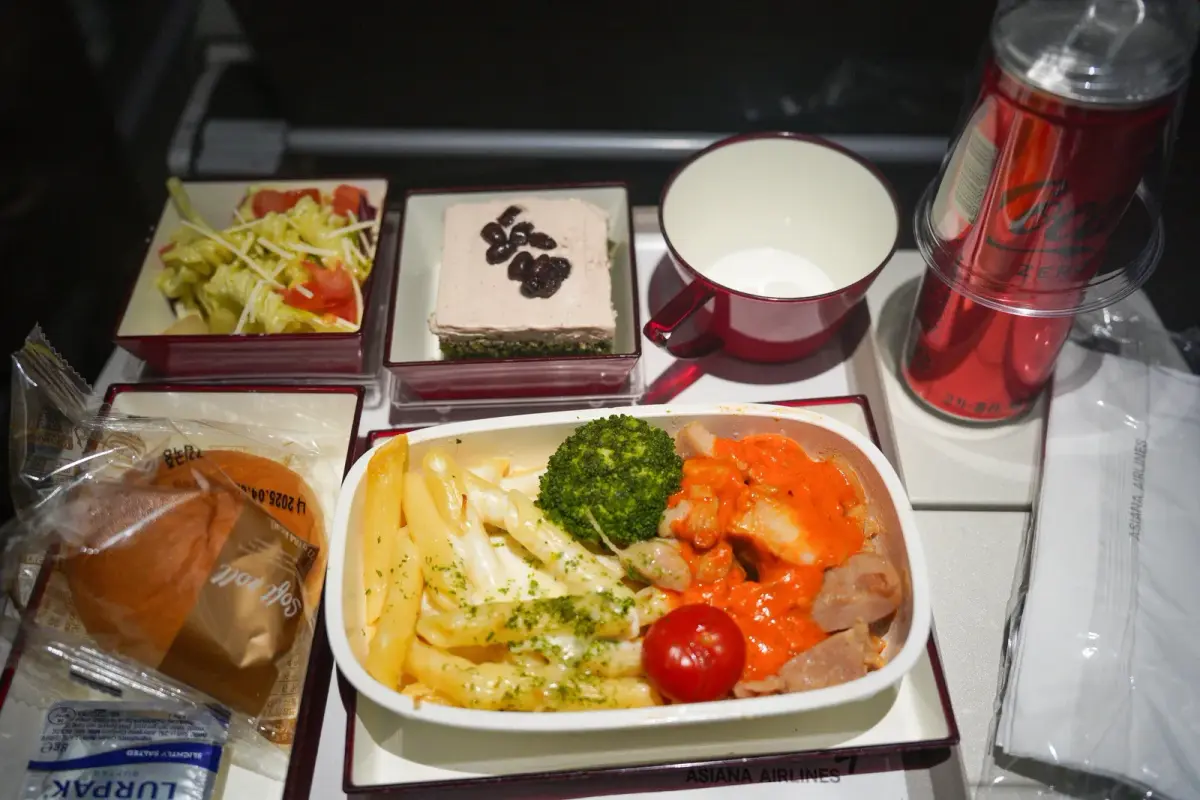
On most LCCs, food and drinks cost extra. On short international hops you often pay for water, coffee, snacks and meals. Some long-haul LCC routes are an exception: T'way Air (Trinity Airways) includes free meals on its Europe and Australia flights.
Category | LCC | FSC |
|---|---|---|
Drinks on short flights | Paid or limited | Usually included |
Meals | Pre-order or buy on board | Included on longer flights |
Snacks | For sale | Varies by route |
Long-haul meals | Check by airline and fare | Usually included |
On a one- to two-hour flight to Japan, meals hardly matter; eat at the airport or on arrival. On a five- or six-hour flight to Southeast Asia that overlaps mealtime, they matter more.
On 10-plus-hour flights to Europe or the US, everything adds up: meals, drinks, snacks, legroom and entertainment.
Miles: full-service airlines plug into alliances
Full-service airlines run their own mileage programs tied into global alliances. Korean Air's SKYPASS connects with SkyTeam, so you can often earn on partner airlines too.
LCCs may run their own points or membership, but rarely connect to a global alliance.
Category | LCC | FSC |
|---|---|---|
Own points | Varies by airline | Strong mileage program |
Alliance | Rarely | SkyTeam, Star Alliance, etc. |
Earning on partners | Limited | Wide |
Long-haul award tickets | Limited | Very useful |
Elite perks | Limited | Lounges, bags, priority service |
Fly Korean Air and you earn SKYPASS miles for award tickets or upgrades later, with SkyTeam partners like Delta, Air France and KLM.
Asiana Airlines remains a Star Alliance member only until December 16, 2026, ahead of the merged Korean Air launch on December 17. Asiana Club members can convert miles to SKYPASS (flight miles 1:1, card and partner miles 1:0.82). If you want to keep earning with Star Alliance, look at another member's program, such as ANA or Singapore Airlines.
LCC points, by contrast, are usually spent on that same airline's tickets or extras. Useful if you fly the same LCC often, but not the basis of a global miles strategy.
Lounges and priority: elite perks vs paid add-ons
Full-service airlines give lounges, priority check-in, priority boarding and priority baggage to elite members and premium cabins. Korean Air Morning Calm or higher, SkyTeam Elite Plus or Star Alliance Gold makes a noticeable difference at the airport.
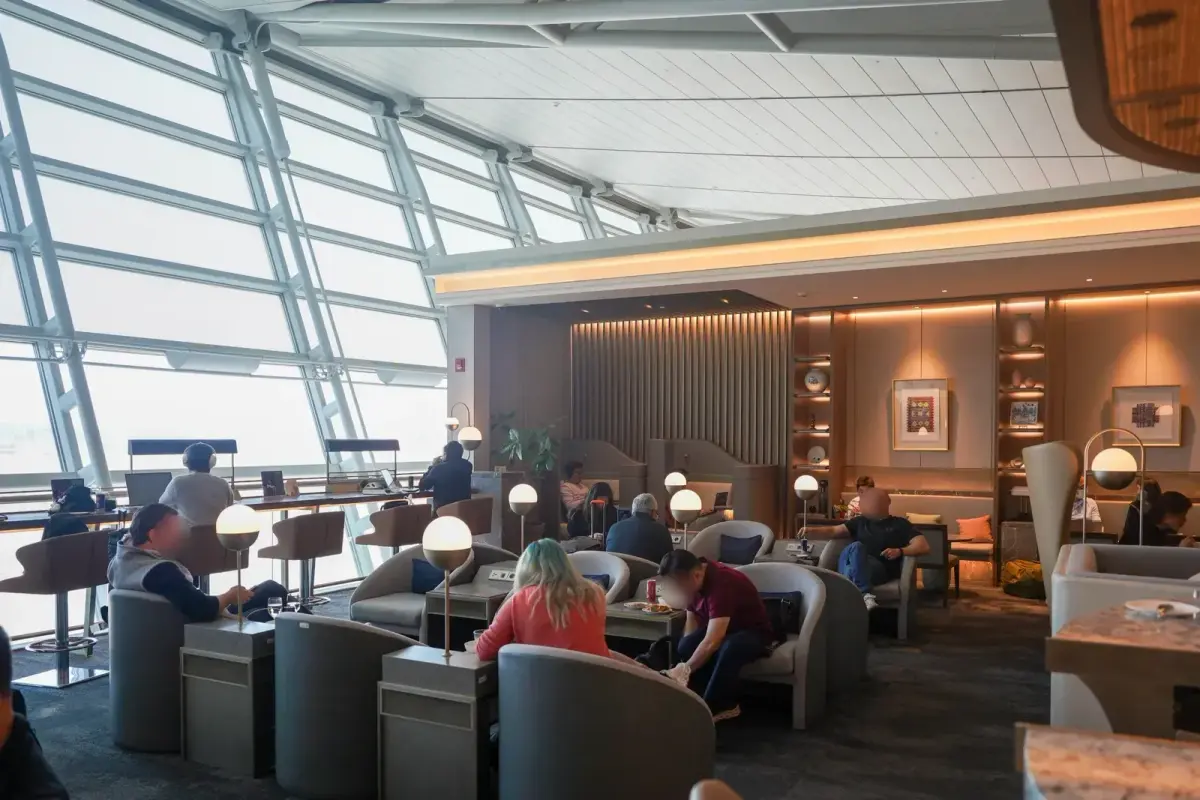
On LCCs, these are mostly paid extras: priority boarding, fast-track check-in, lounge passes and priority bags sold as bundles or add-ons.
Category | LCC | FSC |
|---|---|---|
Lounge | Paid pass or partner service | By status or cabin |
Priority check-in | Paid or limited | By status or cabin |
Priority boarding | Often paid | By status or cabin |
Priority baggage | Limited or paid | By status or cabin |
Extra baggage | Paid | Can come with status |
For first-time flyers, this can feel like a big difference. A pricier full-service ticket can make the airport much easier depending on status or cabin, and lounges and priority service matter more on long-haul and connecting trips.
LCCs leave those services to whoever wants to pay. If airport comfort matters to you, full-service often wins; if not, an LCC saves money.
Connections and delays: full-service is safer for complex trips
The gap often shows most when something goes wrong. With connections or multi-city trips, full-service airlines tend to feel more reliable.
Full-service airlines build connections through their own networks and alliances. Book them on one ticket and you usually get checked-through bags, rebooking help if you're delayed, and protection on missed connections. LCCs mostly fly point to point, focused on single A-to-B flights.
Category | LCC | FSC |
|---|---|---|
Network | Point to point | Hub and connections |
Connecting tickets | Limited | One booking possible |
Bags checked through | May not be | Usually |
Rebooking on delay | Varies widely | More options via network |
Complex itineraries | Higher risk | More stable |
Say you're flying Seoul to Bali via Singapore. On a single full-service ticket, if the first leg is late and you miss the connection, the airline will likely rebook you.
Book two separate LCC tickets and it's a different story: the second ticket is a separate booking, so if you miss it because the first flight was late, you may have little protection. On trips with connections, how the booking is structured matters more than the price alone.
Next in the series: how to buy cheap LCC tickets.
FAQ
What does FSC mean?
What's the biggest difference between an LCC and an FSC?
Are low-cost carriers always cheaper?
Should I fly a budget airline long-haul?

Written by
Huiwon Kim (Check Kim)Founder, TripFlowy · Travel Creator
Travel creator on the road since 2007. Known as Check Kim (책킴) in Korea, boarded 64 flights in 2025 alone. 20+ trips to Japan, with personally tested spots across 50+ cities in 20+ countries in Asia, Europe and the Americas. Writes about theme parks, airport transit, observation decks, and day-trip routes from major cities.
Comments