
Hong Kong Airport Express & Octopus Card Guide
 Huiwon Kim (Check Kim)2026-11-225 min read
Every photo in this post was taken on site by Check Kim.
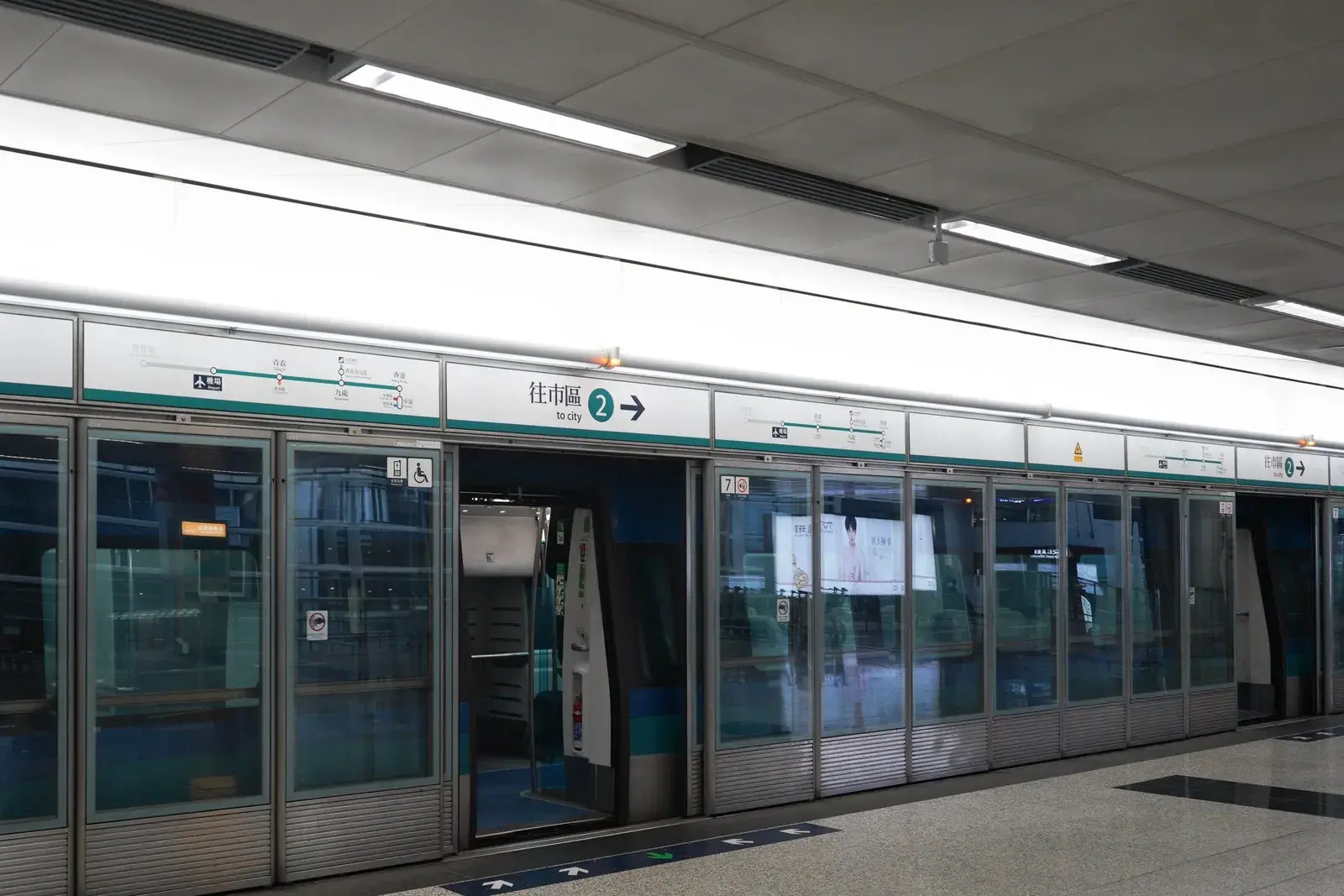
- Airport Express
- Hong Kong Station in 24 min · HK$120 by Octopus / HK$130 ticket
- Hours
- From the airport 5:54 a.m.–12:48 a.m., about every 10 min
- Late arrivals
- Night buses like the N21 (Octopus or card)
- Octopus
- Tourist card from HK$39 · standard card HK$50 deposit
Contents · 4
Airport Express reaches Hong Kong Station in 24 minutes. The last train leaves the airport at 12:48 a.m.; after that, take a night bus like the N21.
From Hong Kong airport, the Airport Express (AEL) gets you to Hong Kong Station in 24 minutes. The first train leaves the airport at 5:54 a.m. and the last at 12:48 a.m., and if you land later than that, you'll need a night bus. Once in the city, you'll use an Octopus card for the MTR and for paying at restaurants, so it's easiest to sort it out at the airport.
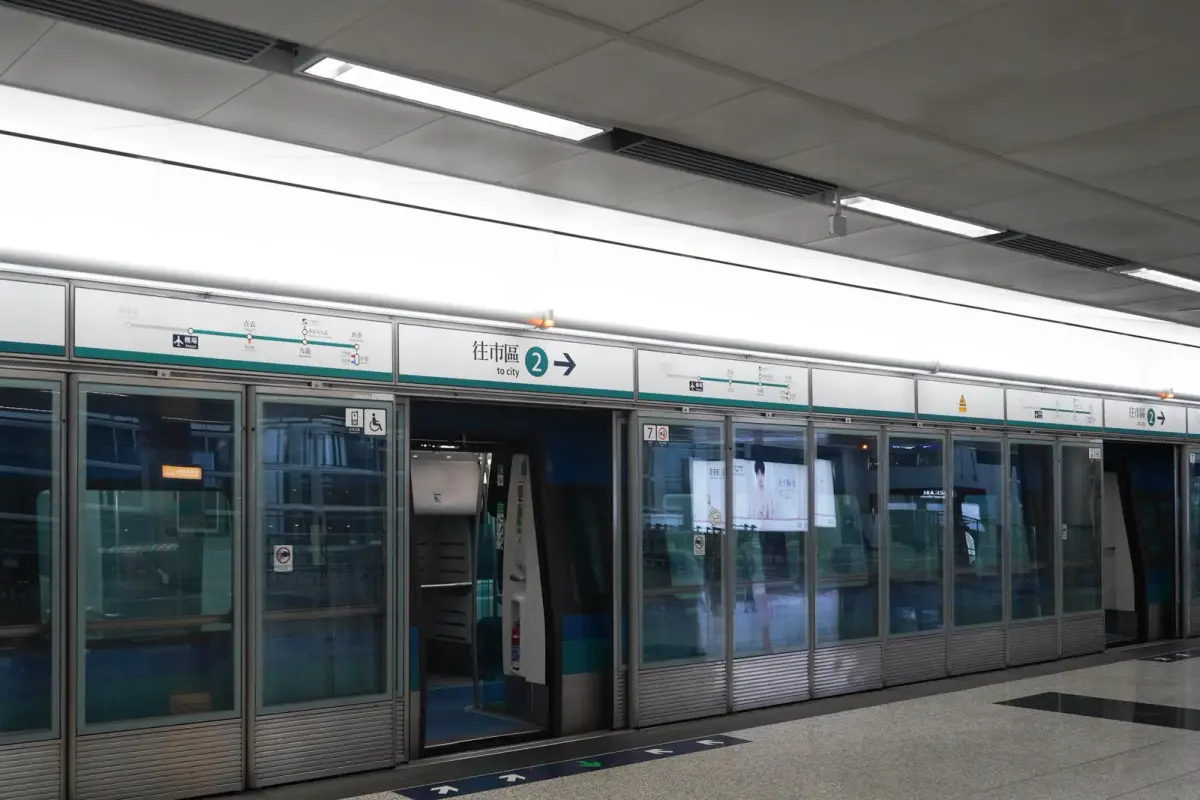
I've gone back to Hong Kong every year since my first trip. I've mostly taken the Airport Express, but once my flight was delayed and landed in the early hours, so I took a night bus to the hotel.
Airport Express fares and times
The Airport Express runs from the airport via Tsing Yi and Kowloon stations to Hong Kong Station. As of November 2026, an adult one-way fare is HK$120 to Hong Kong Station and HK$105 to Kowloon with an Octopus or contactless card, and tickets from the station ticket office cost HK$10 more. Trains run about every 10 minutes, so you won't wait long.
Get off at | Octopus/card | Ticket office | If you're staying in |
|---|---|---|---|
Hong Kong | HK$120 | HK$130 | Central, Sheung Wan |
Kowloon | HK$105 | HK$115 | Jordan, Yau Ma Tei |
Tsing Yi | HK$73 | HK$80 | Transferring to the MTR |
I always bought tickets online ahead. During promotions they were sometimes two-for-one, cheaper than on site. The voucher QR code only shows for 15 minutes once activated and can be reactivated up to three times, so it was best to turn it on just before reaching my station.
For an early flight home, the first train is at 5:54 a.m., so a flight before 8 a.m. can be tight by Airport Express.
Boarding and getting off
Come out into the arrivals hall, follow the public transport signs and then the train symbol, and the platform is right there. What surprised me was that there are no gates when you board at the airport. You just get on, then scan your QR code or Octopus when you exit at the city station. If you're rushing for the last train, you can board first and buy a ticket on the train.
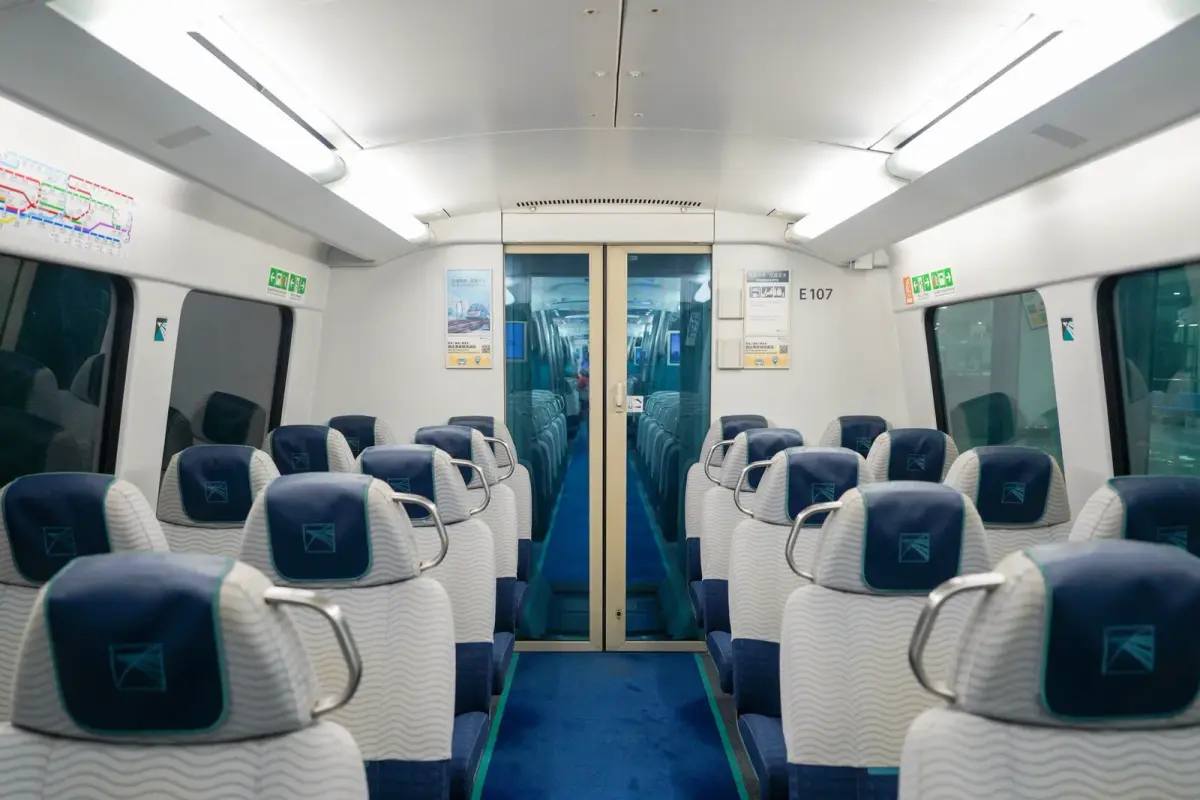
Each car had luggage racks in the middle and USB ports on the back of the seat headrests, so I charged my phone on the way. The front seats had power outlets too, but they're Hong Kong plugs, so you need an adapter. I've ridden it many times, and even during holidays it was so empty I once had a car nearly to myself. It felt cleaner and newer than Osaka's Rapi:t or Tokyo's Skyliner.
If you're staying in Tsim Sha Tsui, you can get off at Kowloon, but the transfer to the MTR from Kowloon Station was a bit complicated. Hong Kong Station connects underground to Central. If you're staying on Hong Kong Island, riding to Hong Kong Station was easiest.
Going back to the airport, it's reversed: scan your QR when you board, and at the airport walk straight out with no gates.
Missed the last train? Take a night bus
Once my flight landed late and I missed the last Airport Express. Bus signage inside the airport was good, so it was easier than I expected, and since my hotel was in Tsim Sha Tsui, I took the N21. Routes starting with A are regular airport buses and N routes are night buses. Search the bus number in Google Maps to find the stop.
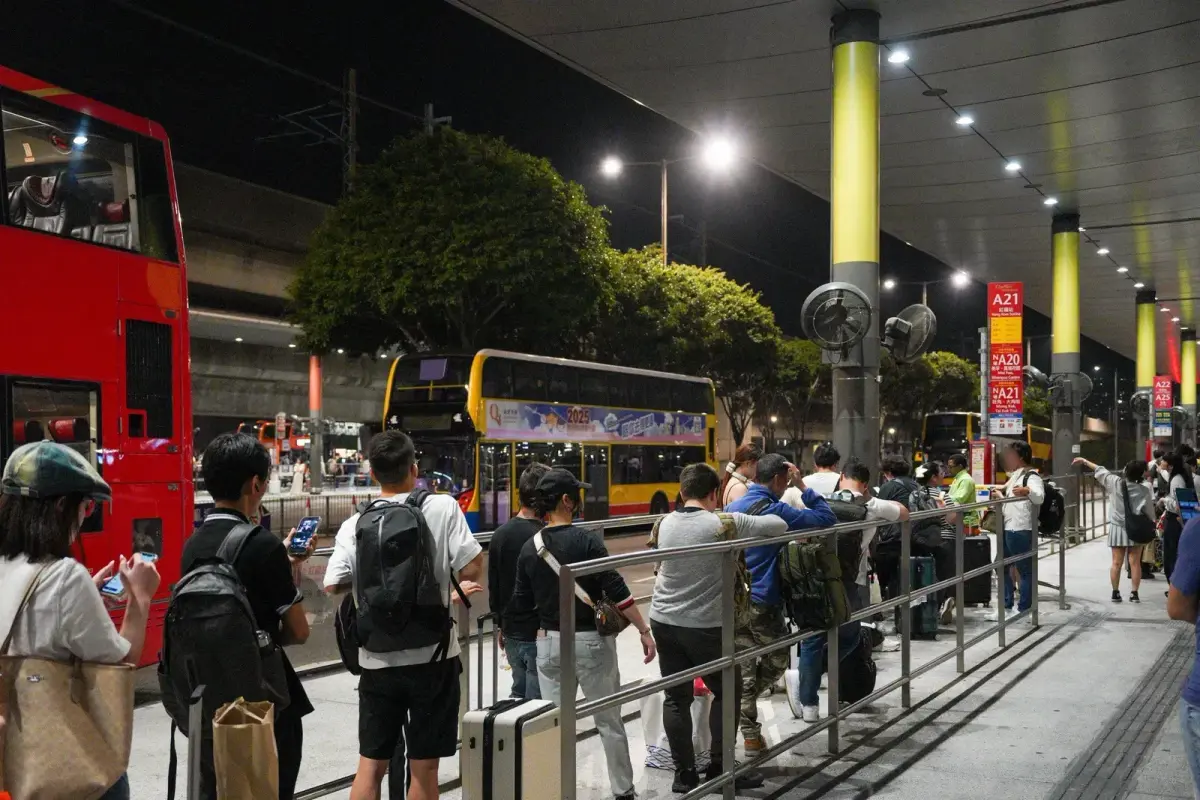
The N21 ran every 30 minutes, but one came about 15 minutes after I arrived, so I didn't wait long. You could pay with Octopus, regular credit cards or Apple Pay and Samsung Pay, but not Amex. The luggage area was small for the number of seats, so I left my suitcase downstairs and sat upstairs, where a CCTV screen showed the luggage area.
It took longer than the Airport Express and luggage was awkward, but it got me to the hotel for far less than a late-night taxi.
Which Octopus card to get
Octopus is Hong Kong's transit card. You can use it on the MTR, buses, trams and the Star Ferry, and to pay at convenience stores and restaurants. Quite a few places, like my favorite local noodle shop, don't take credit cards but do take Octopus, so carrying one makes life easier. Once I lost mine and bought a single MTR ticket, and it cost much more than tapping an Octopus.
Type | Price | Notes |
|---|---|---|
Sold (tourist) | From HK$39 | No deposit, keep the card as a souvenir, balance refundable |
On-loan (standard adult) | HK$50 deposit + stored value | Deposit refunded when you return it before leaving |
Mobile (iPhone) | HK$50 deposit | Top up with a foreign card in the tourist app |
Prices are as of November 2026. You can buy a physical card at the airport MTR counter, stations or convenience stores, and prebooked cards are collected at the airport counter. When I collected mine, pickup hours were 8 a.m. to 9 p.m., so for a late-night arrival you'd buy one at a convenience store. Even with too little balance, you can go negative once to get through the gate, and it's deducted at your next top-up.
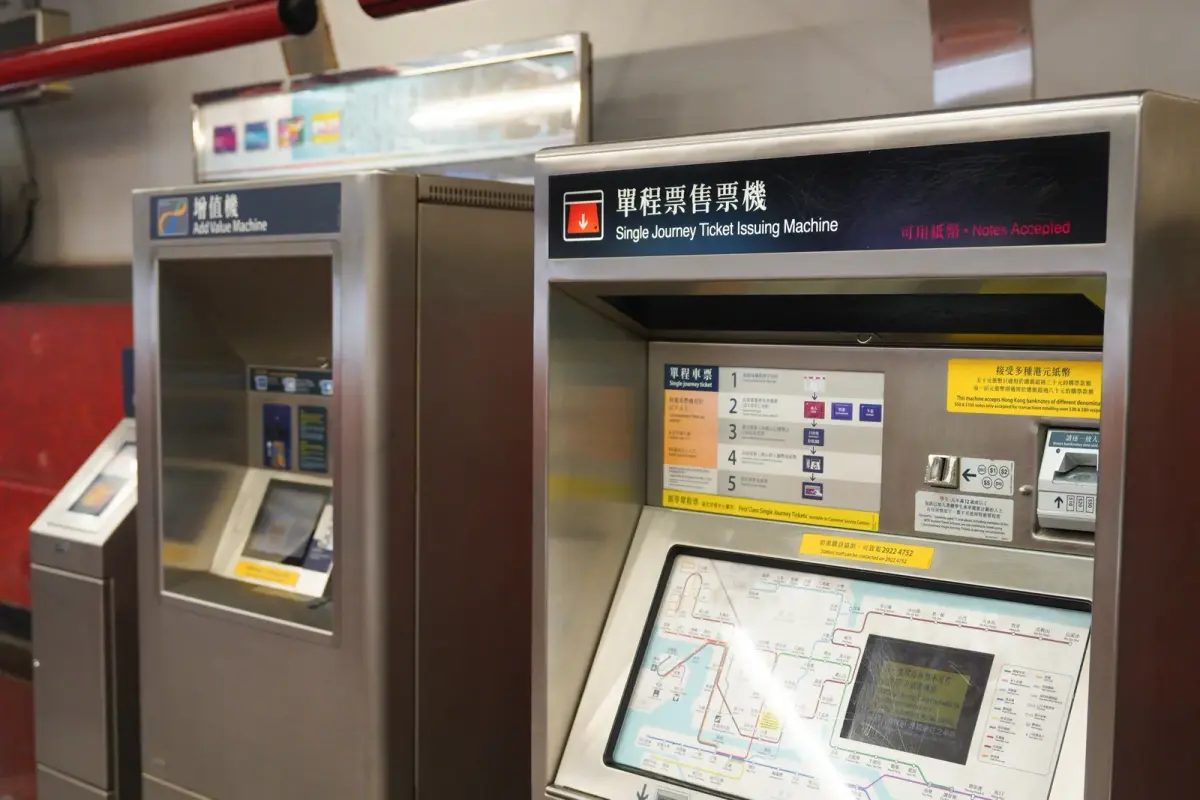
MTR fares vary by distance, and when you exit, the screen shows the fare and your remaining balance. I loaded about HK$200 for a 4-day trip and topped up with cash at airport machines or convenience stores when it ran low. Tap your card on the machine next to the top-up machine to see your usage history.
Ride the Airport Express with a prebooked QR or Octopus, and about HK$200 on your Octopus covered a 4-day trip.
FAQ
What's the easiest way from Hong Kong airport to the city?
What time is the last Airport Express train?
Should I buy Airport Express tickets in advance?
Do I need an Octopus card in Hong Kong?

Written by
Huiwon Kim (Check Kim)Founder, TripFlowy · Travel Creator
Travel creator on the road since 2007. Known as Check Kim (책킴) in Korea, boarded 64 flights in 2025 alone. 20+ trips to Japan, with personally tested spots across 50+ cities in 20+ countries in Asia, Europe and the Americas. Writes about theme parks, airport transit, observation decks, and day-trip routes from major cities.
Comments