
What Is an LCC? Budget Airlines Explained
 Huiwon Kim (Check Kim)2026-11-217 min read
Every photo in this post was taken on site by Check Kim.
- LCC means
- Low-cost carrier, a budget airline
- How it works
- Low base fare + optional bags, seats and meals
- Compare by
- Total cost including bags and seats, not the fare alone
- Market shift
- Jin Air, Air Busan and Air Seoul merge in March 2027
Contents · 5
A low-cost carrier keeps base fares low and sells bags, seats and meals separately. Compare the total you'll actually pay, not the headline fare.
An LCC, or low-cost carrier, keeps its base fare low and sells checked bags, seat selection and meals separately. That means you should compare LCC tickets by the total you'll actually pay for what you need, not by the headline fare. On a short trip with light luggage, a budget airline is hard to beat; if you're packing heavy or need to sit together as a family, the gap with a full-service airline can shrink to almost nothing.
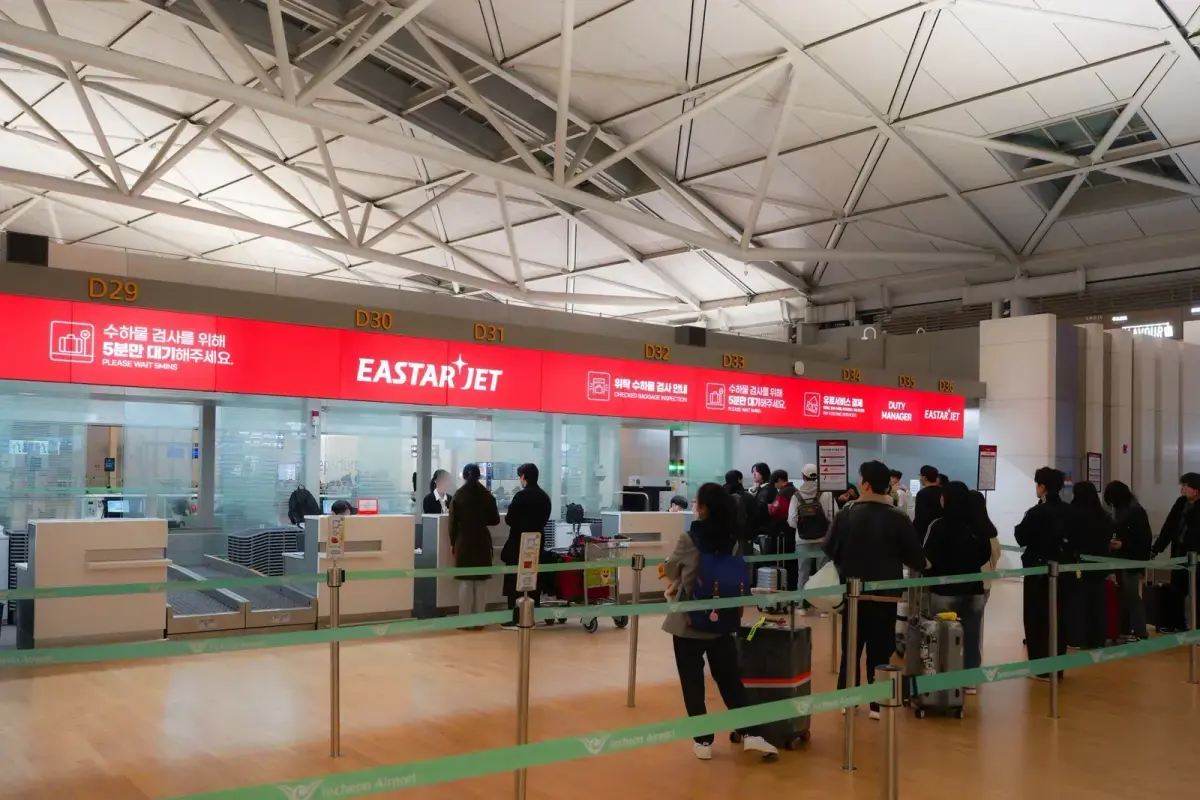
The fare on the search results page always looks cheap. By the time you reach the payment screen, it often doesn't.
Add a checked bag, pick a window or front-row seat, pre-order a meal and pay a card fee, and the price can climb well past what you first saw. That matters most on trips with a lot of luggage: family vacations, long stays, winter trips.
Here's what an LCC is, why its fares look so low, and what first-timers should watch out for.
What is an LCC?
LCC stands for low-cost carrier. People also call them budget airlines or no-frills airlines.
Strictly speaking, an LCC isn't an airline that's always cheap; it's an airline built around low costs. Instead of bundling everything into the fare like a full-service airline, it sells the most basic version of a ticket and lets you add what you need.
Full-service airline | LCC | |
|---|---|---|
Base fare | Relatively high | Often looks low |
Checked bags | Usually included | Depends on fare, often extra |
Seat selection | Some free, or by status | Usually paid |
Meals | Included, especially on longer flights | Mostly paid or not offered |
Miles and status | Extensive programs | Limited, varies by airline |
Main strength | Inclusions, network, connections | Price, short hops, nonstop options |
The idea is that you only pay for what you use. If you travel light, don't care where you sit and are flying a short route, an LCC can be a great deal.
If you have lots of luggage, need your family seated together, might change plans, or care about meals and comfort, don't judge by the first fare you see.
South Korea's low-cost carriers
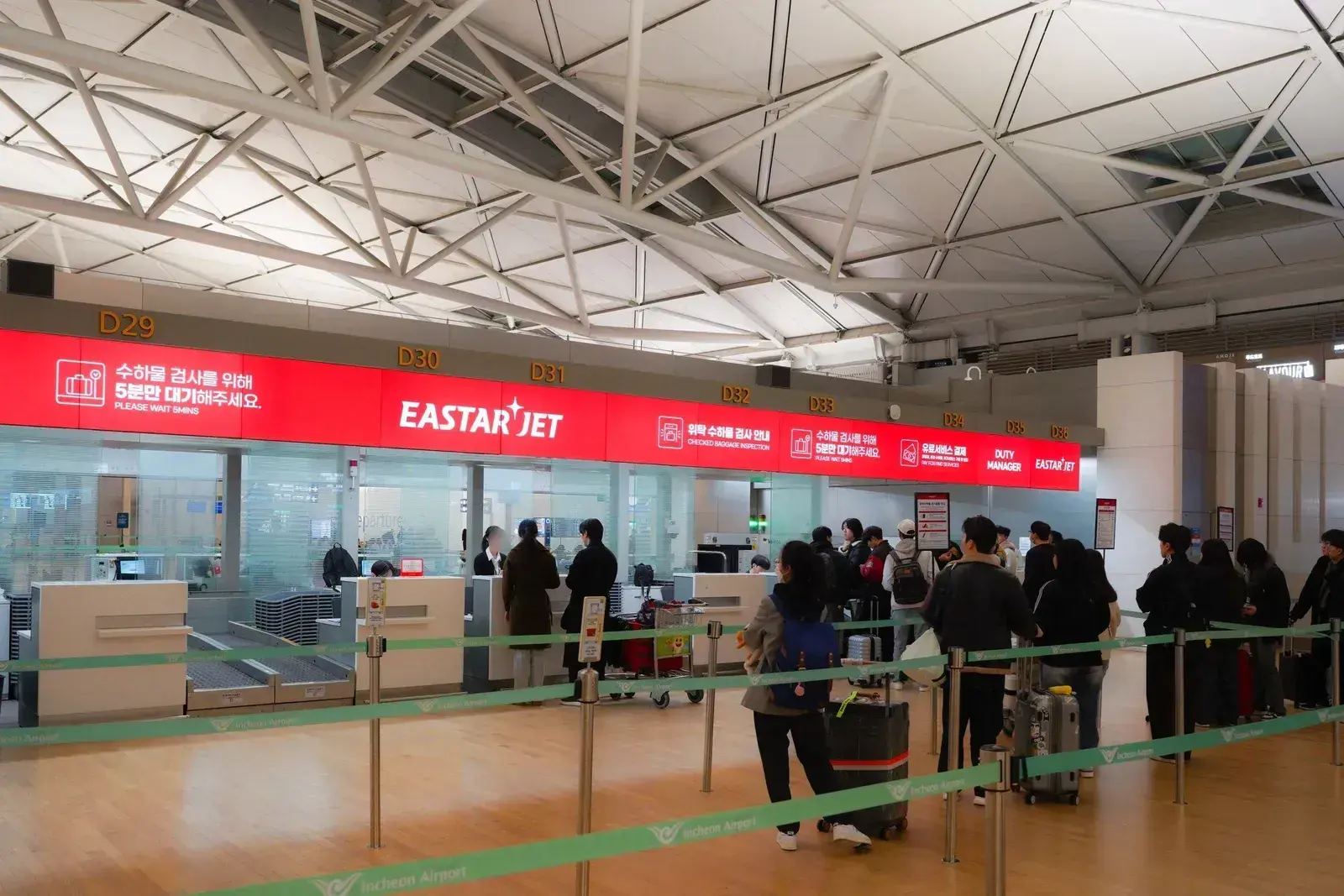
South Korea has a crowded budget airline market. The main players are Jeju Air, Jin Air, T'way Air, Air Busan, Air Seoul, Eastar Jet, Aero K and Parata Air.
Air Premia is a bit different from a typical short-haul LCC, but it's often compared alongside them as a budget or hybrid option.
Airline | In a nutshell |
|---|---|
Jeju Air | One of the biggest, strong on Japan and Southeast Asia |
Jin Air | Korean Air group's LCC, domestic, Japan and Southeast Asia |
T'way Air | Flying as Trinity Airways since Sept 2026, with long-haul to Europe, Australia and Canada |
Air Busan | Based at Gimhae Airport in Busan |
Air Seoul | Started in the Asiana group, based at Incheon |
Eastar Jet | Relaunched in 2023 and growing again |
Aero K | Based at Cheongju Airport |
Air Premia | Long-haul hybrid airline |
Parata Air | Formerly Fly Gangwon, flies from Incheon to Japan, Vietnam and Los Angeles |
Air Premia deserves its own category. A typical LCC focuses on short routes, quick turnarounds, a single aircraft type and paid extras. Air Premia flies long-haul with roomier seats and a premium economy cabin, closer to a hybrid model. This series covers it too, but treats it differently from traditional LCCs.
The market is also changing. The merger of Jin Air, Air Busan and Air Seoul received government approval in November 2026, and the combined airline is set to launch as Jin Air in March 2027. You can already book Air Busan and Air Seoul codeshare flights on Jin Air's website, so expect routes and roles to keep shifting.
Why LCCs are cheap
LCCs don't keep fares low just by cutting service. They simplify how the whole airline runs.
Reason | What it means |
|---|---|
One main aircraft type | Simpler maintenance, parts and crew training |
Quick turnarounds | Planes spend less time on the ground |
Paid extras | Bags, seats and meals sold à la carte |
Direct sales | More bookings through their own website and app, lower distribution costs |
Simple onboard service | Pared back for short flights |
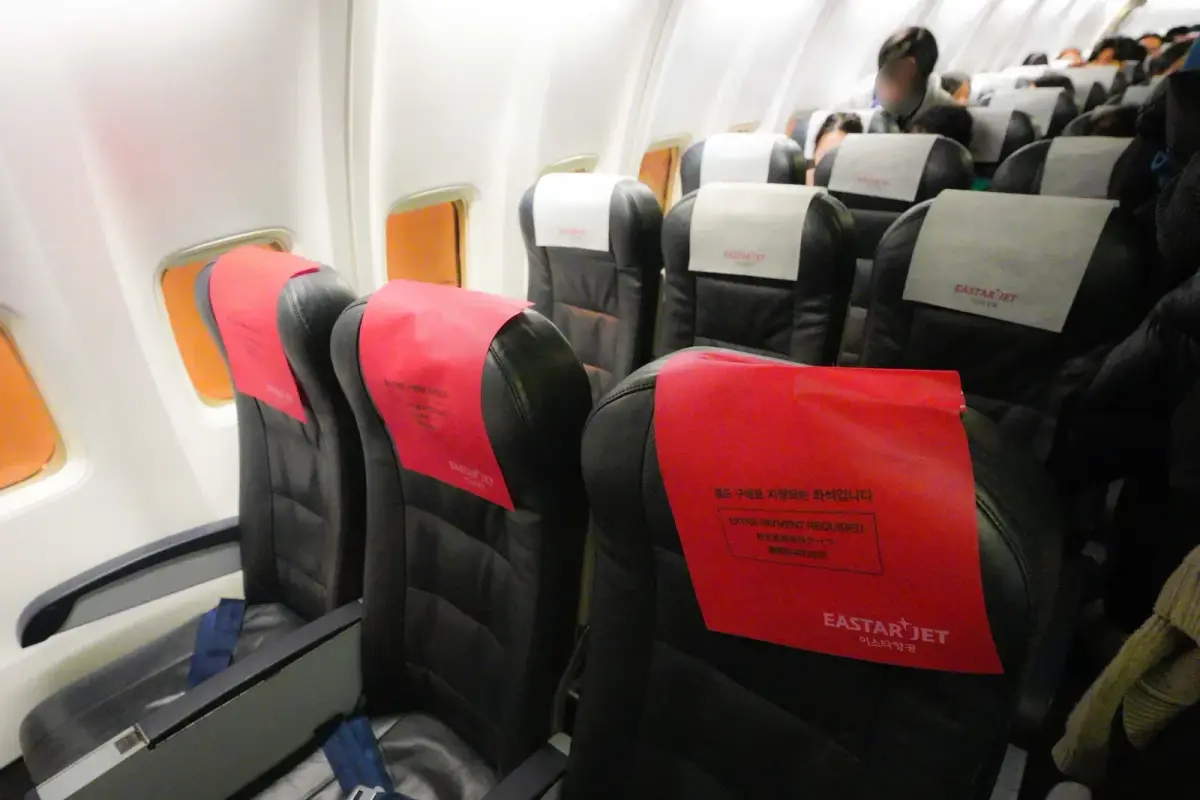
Denser seating | Sometimes more seats in the same plane |
Running one aircraft type simplifies maintenance and training: pilots and crew don't need to learn multiple types, and spare parts are easier to manage.
Quick turnarounds matter too. A plane doesn't earn money sitting at the gate, so the faster it unloads, gets cleaned and boards again, the more efficient the airline is.
Paid extras are the core of the model. Full-service airlines usually include bags, meals and seat selection in the fare; LCCs sell them separately.
That's why travelers with no checked bag get a genuinely low price, while those who want bags, a chosen seat and a meal pay more.
Why the price jumps at checkout
A familiar story: the fare shows as about $70, and by the payment page it's about $130.
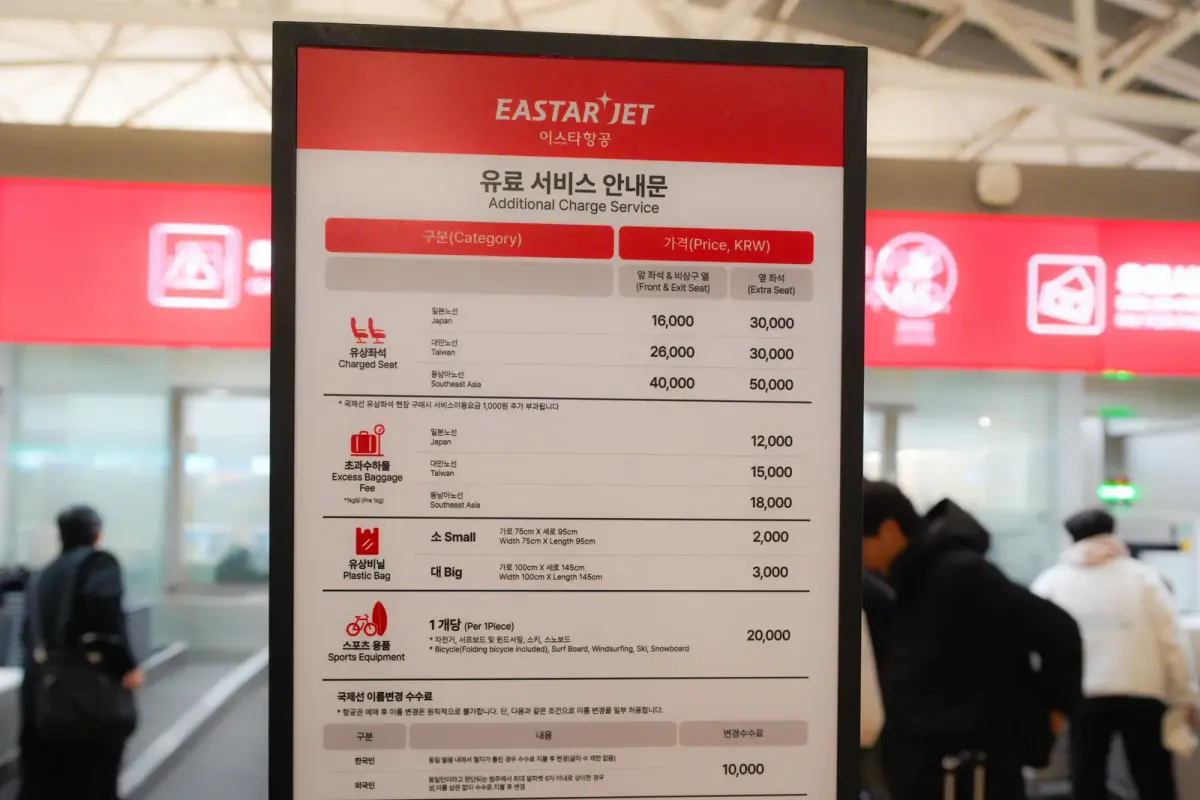
The reason is simple. The first price is usually the barest version of the ticket, and the things you actually need get added one by one.
Extra cost | When it applies |
|---|---|
Checked bag | When the fare doesn't include one, or you need more weight |
Seat selection | When you choose a window, aisle, front-row or exit-row seat |
Pre-ordered meal | On routes without included meals |
Priority boarding | When you want to board first or check in faster |
Payment or booking fee | Depending on payment method or booking channel |
Change fee | When you change the date or route |
Cancellation fee | On non-refundable fares or ones with steep penalties |
Checked baggage is the big one. Depending on the fare, an LCC ticket may not include any. Add a bag both ways and the gap with a full-service airline can shrink considerably.
Seat selection adds up too. Solo travelers can take whatever seat they're assigned, but couples and families often need to pay to sit together, and that narrows the price gap further.
Who LCCs suit, and who they don't
For some travelers an LCC is the best choice; for others it ends up less comfortable or even more expensive. LCCs work well for:
Good fit | Why |
|---|---|
Short trips with light luggage | No checked bag needed |
Fixed plans | Low risk of change or refund fees |
Not fussy about seats | A free random seat is fine |
Short hops around Asia | Short flights make service gaps matter less |
Price comes first | The base fare alone is cheap |
A long weekend in Japan with just a carry-on is a perfect LCC trip. If you don't mind where you sit and don't need a meal, there's no reason to pay for a pricier fare.
LCCs are a weaker fit for:
Weaker fit | Why |
|---|---|
Lots of checked luggage | Bag fees add up |
Families | Seats, bags and possible changes all cost extra |
Frequently changing plans | Change and refund fees can sting |
Long-haul flights | Legroom and service gaps feel bigger |
Complex connections | Less protection if a delay breaks a connection |
Families especially should run the numbers. A family of four might need two or three bags, seat selection, meals and some flexibility, so the final total matters far more than the opening fare.
The same goes for long-haul. The longer the flight, the more legroom, meals, baggage, delay handling and connections matter. Some LCCs and hybrid airlines now fly long-haul, but compare the service differences with full-service airlines carefully.
Next in this series: Korean LCCs compared, LCC vs full-service airlines and how to buy cheap LCC tickets.
FAQ
What does LCC stand for?
Is a low-cost carrier the same as a cheap airline?
Which South Korean airlines are low-cost carriers?
Who are low-cost carriers best for?

Written by
Huiwon Kim (Check Kim)Founder, TripFlowy · Travel Creator
Travel creator on the road since 2007. Known as Check Kim (책킴) in Korea, boarded 64 flights in 2025 alone. 20+ trips to Japan, with personally tested spots across 50+ cities in 20+ countries in Asia, Europe and the Americas. Writes about theme parks, airport transit, observation decks, and day-trip routes from major cities.
Comments