
Kyoto Day Trip from Osaka: Keihan pass
 Huiwon Kim (Check Kim)2026-10-267 min read
Every photo in this post was taken on site by Check Kim.
- Start
- Yodoyabashi Station, Osaka (Keihan Line)
- Ticket
- Kyoto-Osaka Sightseeing Pass (1-day, digital)
- Travel time
- Osaka → Kyoto about 1 hour
- Route
- Uji → Fushimi Inari → Nishiki Market (+ Ichijoji)
One Keihan day pass from Osaka's Yodoyabashi Station covers Uji's Byodoin, Fushimi Inari and Nishiki Market. No tour needed, and I went solo.
You don't need a tour for a day trip from Osaka to Kyoto. Hop on the Keihan Line at Yodoyabashi Station in Osaka and you're in Kyoto in about an hour, and a single day pass strings Uji, Fushimi Inari Taisha and Nishiki Market together in one loop. I did this route solo, and the train fare for the whole day came to well under $15, a fraction of what a tour costs.
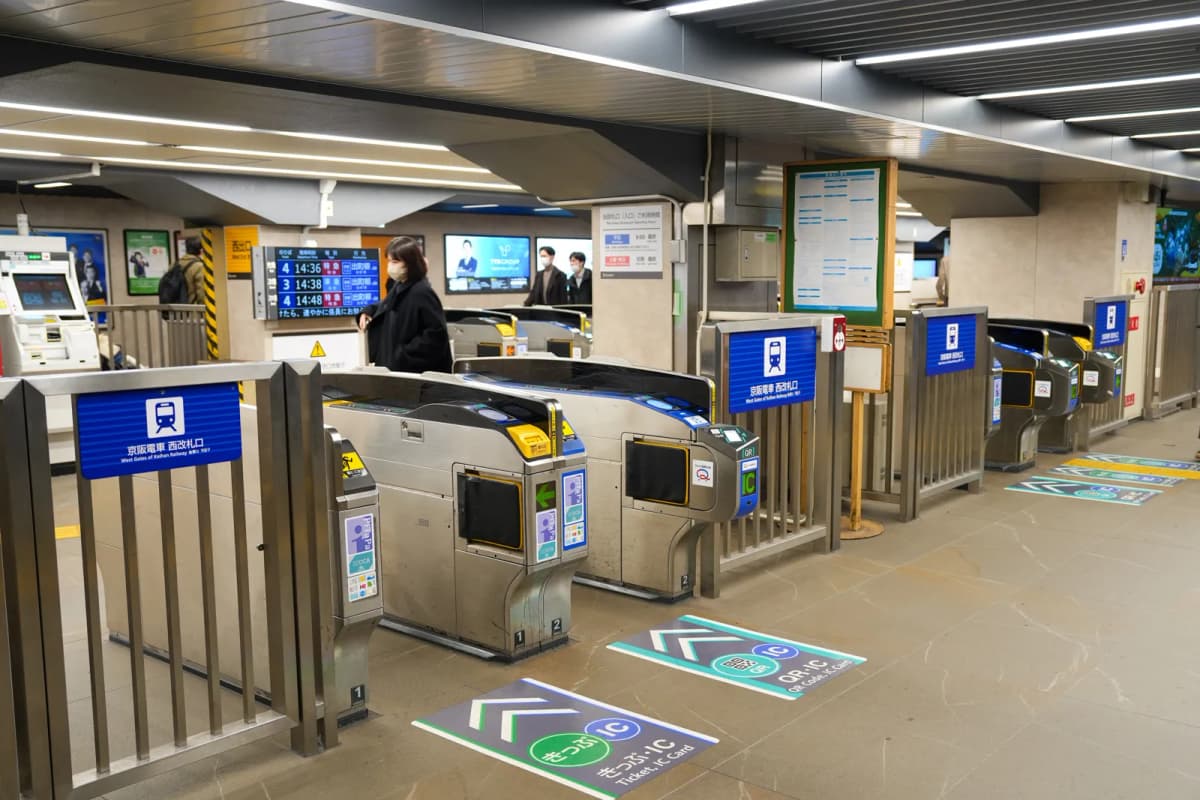
Kyoto holds on to far more of traditional Japan than Osaka does, so carving just one day out of an Osaka trip changes the whole feel of it. This itinerary is based on the day I spent on the Keihan pass in spring 2026, with the Silver Pavilion and a couple of restaurants added from an earlier trip when I stayed in Kyoto.
One Keihan day pass covers the transport
The key to this day is the Kyoto-Osaka Sightseeing Pass, Keihan's one-day digital pass. The Keihan Line starts at Yodoyabashi Station in Osaka, not far from Dotonbori, and runs straight through Uji, Fushimi Inari and Gion-Shijo, covering southern Kyoto and the city center. Depending on the timetable there are express trains too, so it was quicker than I expected. For the stops I made, the day pass worked out a little cheaper than buying a ticket for every ride.
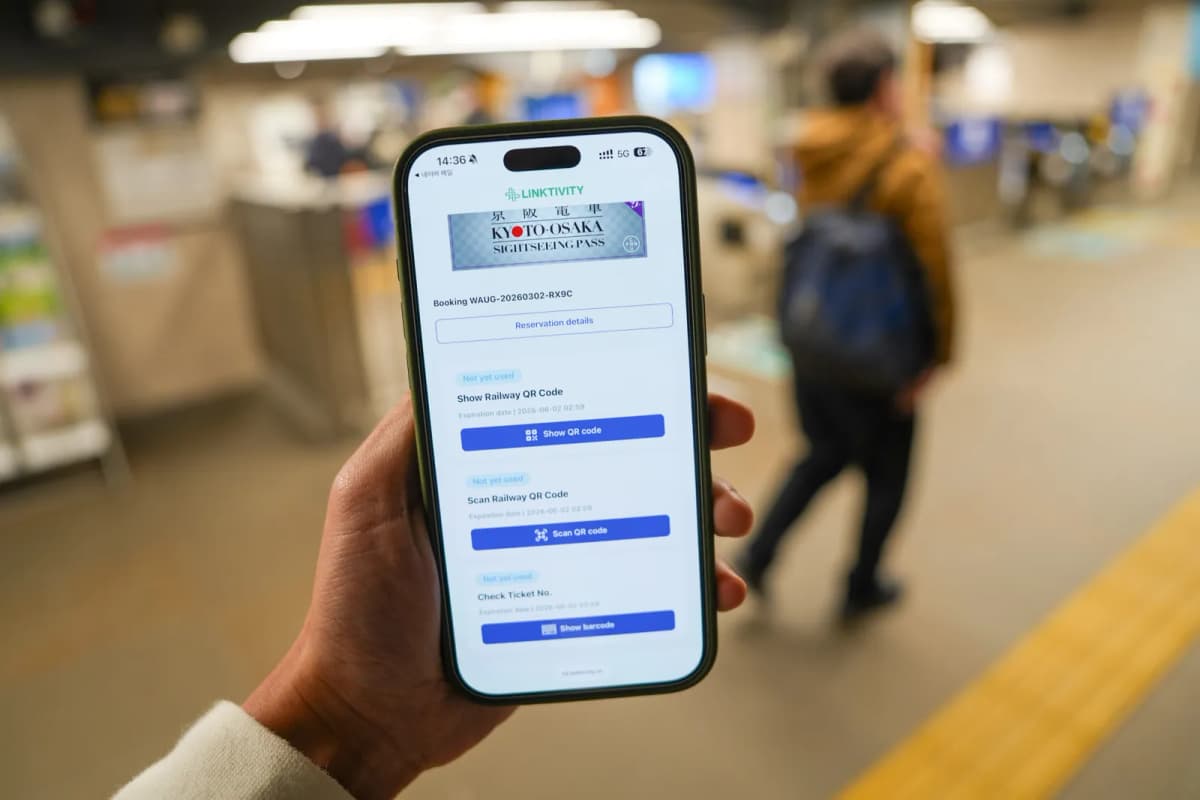
Being digital, there's no physical ticket to pick up, which made it easy. Once you've activated it, just open the QR ticket from the link in your voucher and tap it on the QR scanner at the gate. Only a few gates at each station have a QR scanner, so head for those. Screenshots of the QR code don't scan, so you have to open the link every time you ride. I never needed to log in.
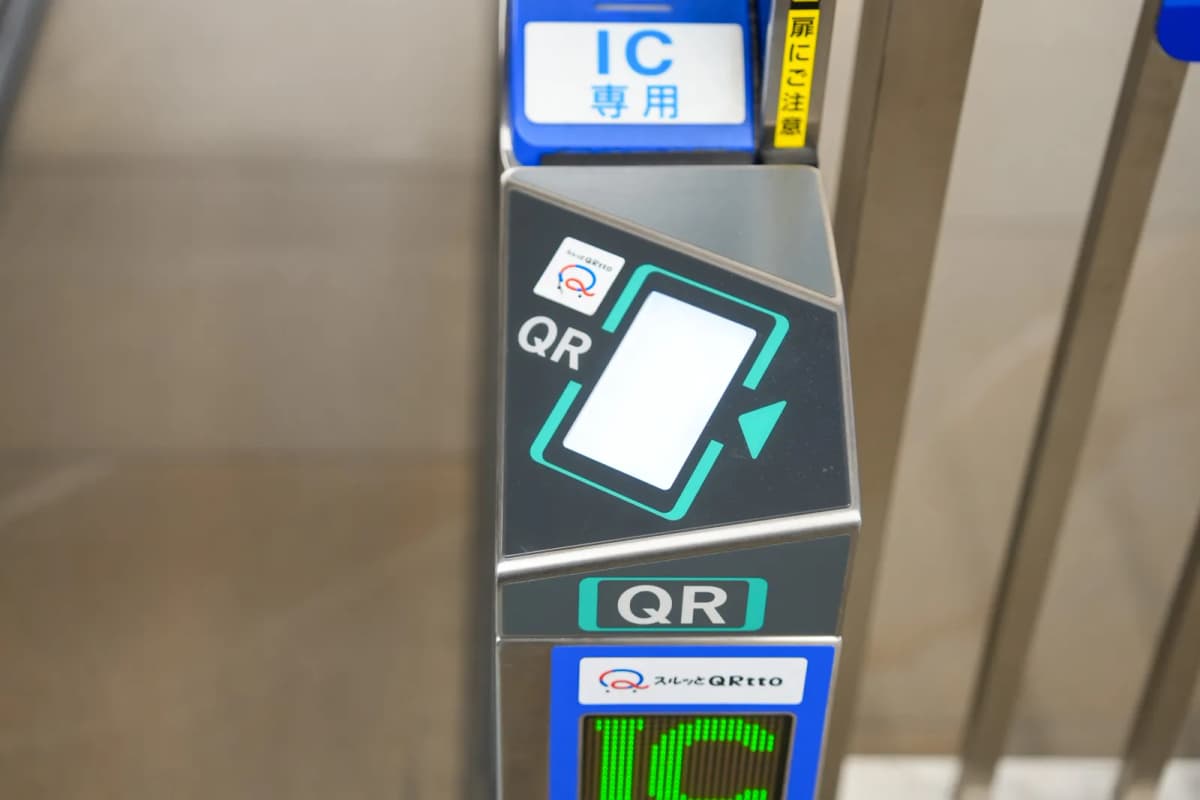
There's also a version of the pass that adds the Eizan Railway, which runs north toward Kurama and Kibune. I used that one to get out to the ramen street at Ichijoji.
Morning: Byodoin and matcha in Uji
First stop was Uji, famous for matcha and for Byodoin temple. I rode the Keihan Line to Uji Station and walked to Byodoin along the river, taking it slowly like a morning stroll.
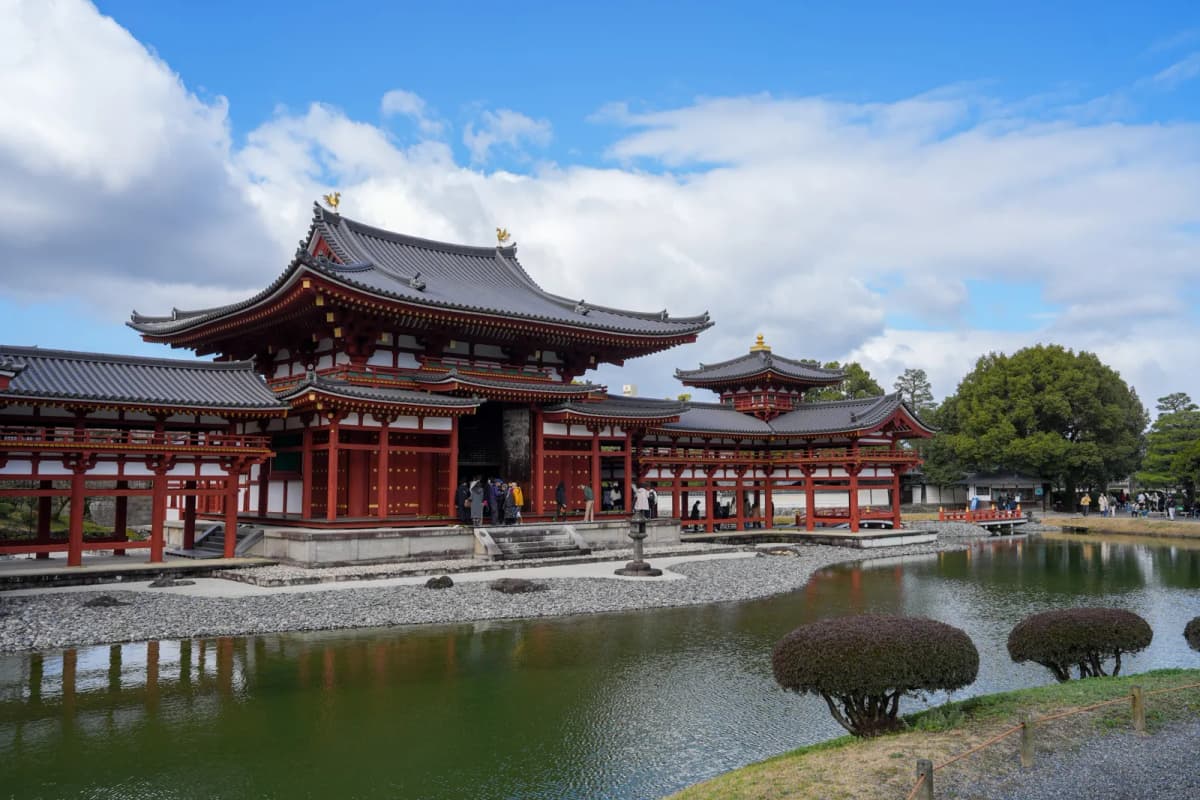
Byodoin charges a separate ¥700 entry, but it's one of Japan's most celebrated temples, so it's well worth going in. The Phoenix Hall, standing beside its pond, is the building on the back of Japan's 10-yen coin. The museum inside shows sculptures and paintings from the temple, though photos aren't allowed in there.
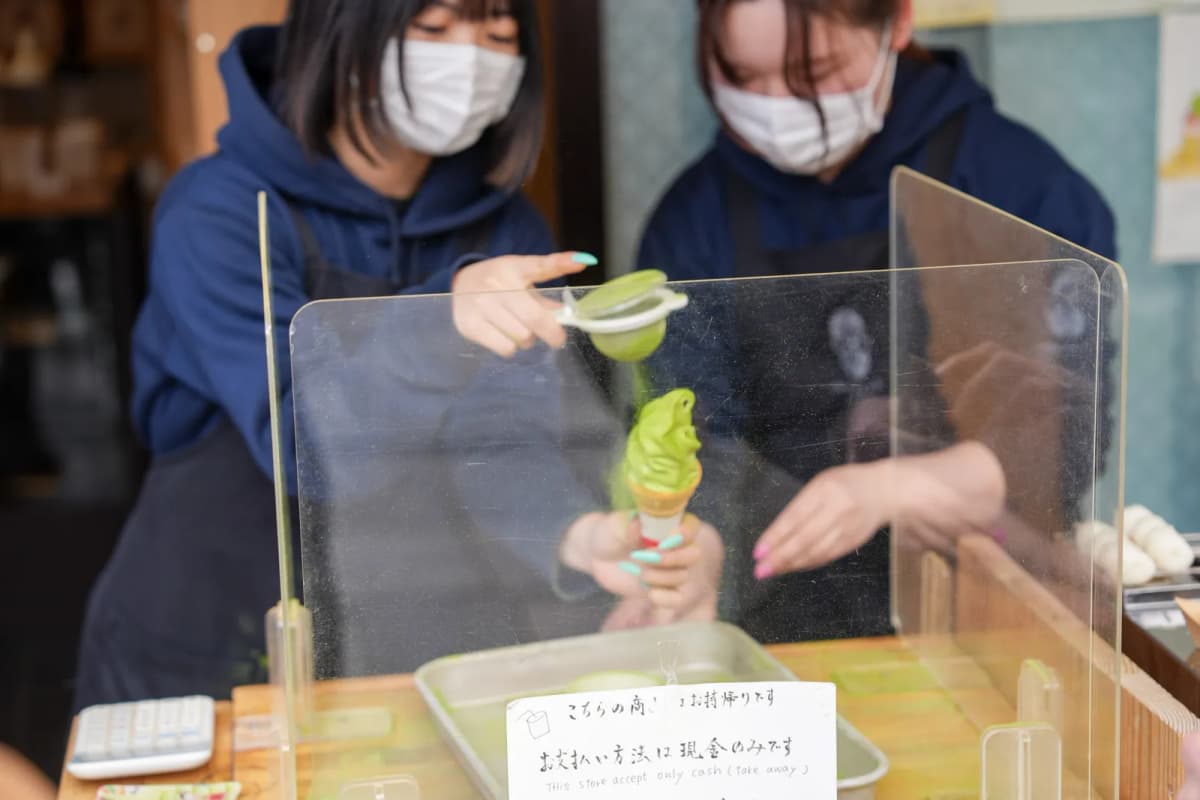
Uji is the best-known matcha town in Japan, so matcha ice cream is a given, and I even saw matcha takoyaki. There's a Starbucks right by Byodoin built in a properly Kyoto palette, which makes an easy stop on the walk back to the station. Whatever you do in Uji, have at least one matcha dessert.
Around lunch: Fushimi Inari Taisha
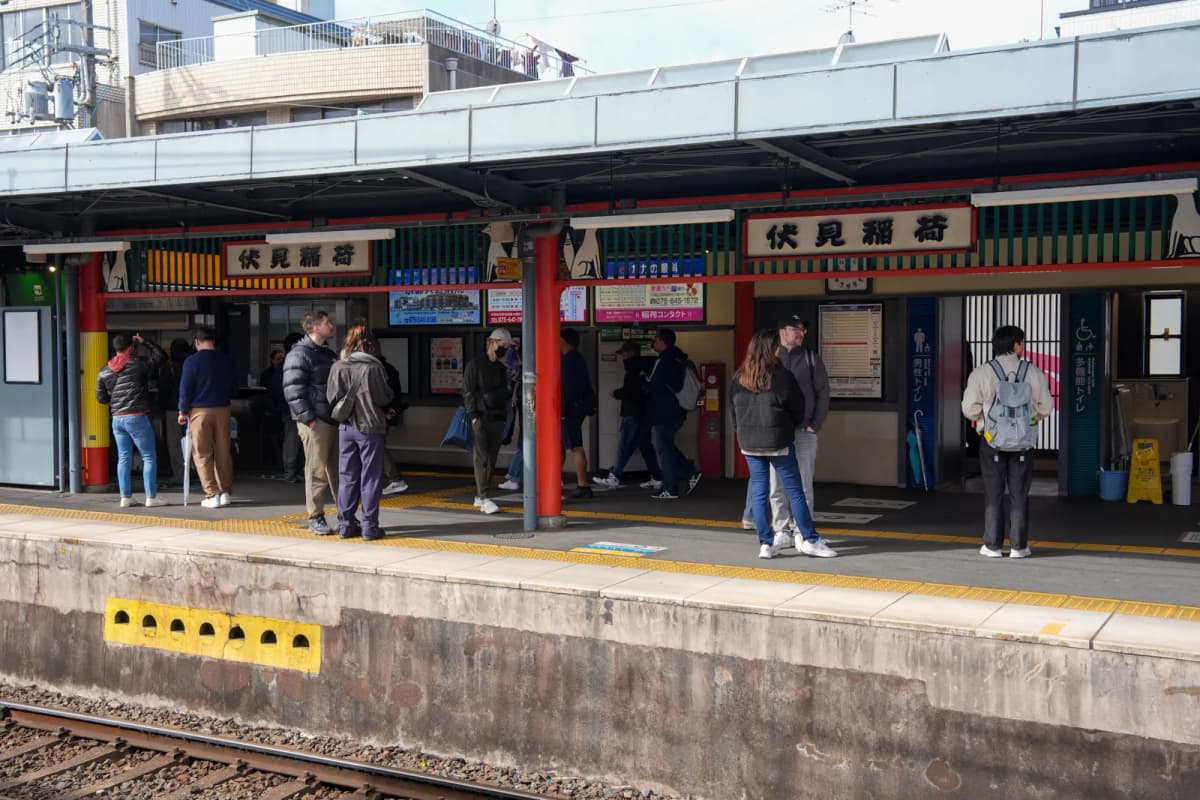
Back on the Keihan Line, get off at Fushimi-Inari Station and the shrine is right in front of you. The station itself is decorated in a very Kyoto style, and plenty of people started taking photos before they'd even left the platform.
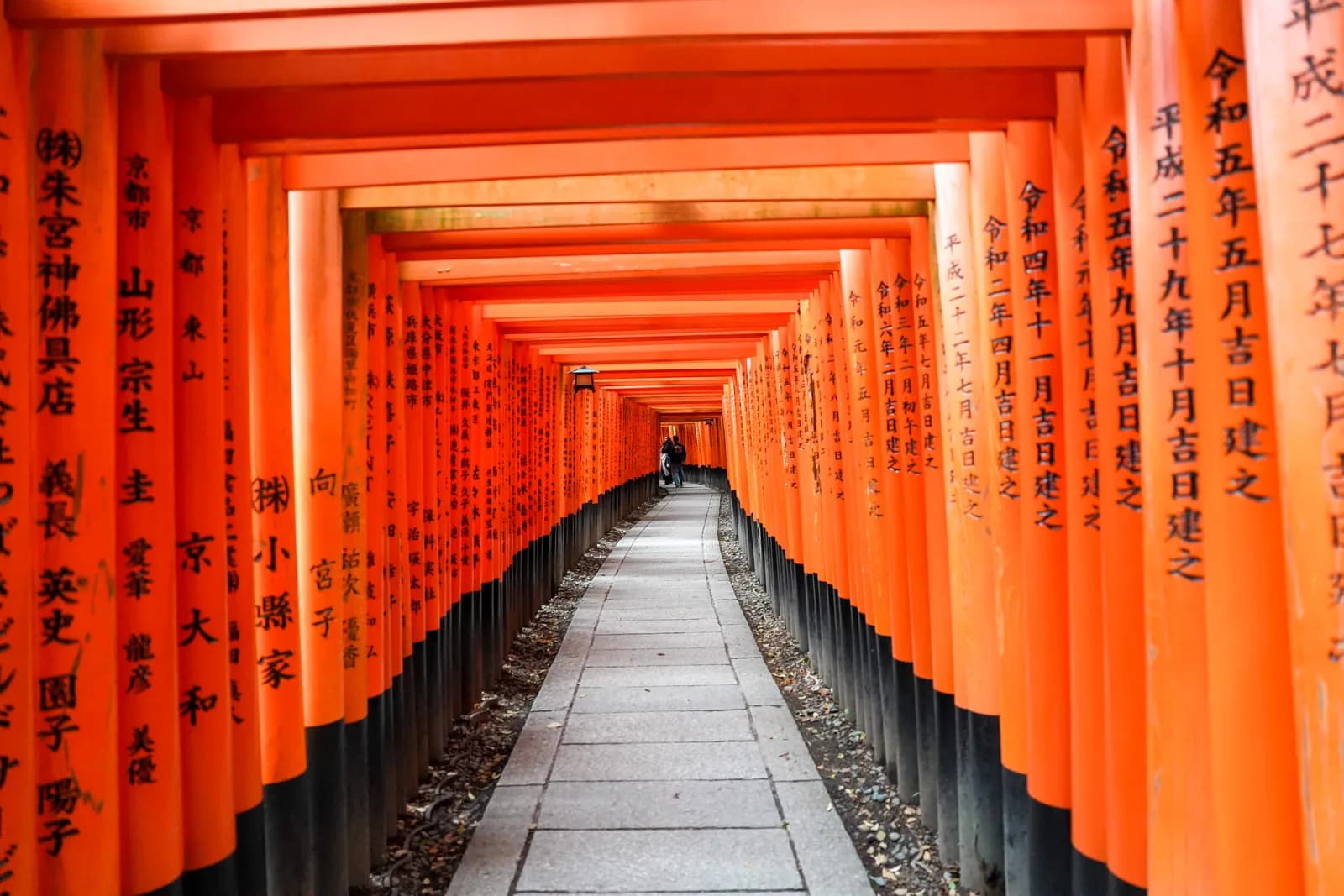
Fox statues, the messengers of the gods here, stand all over Fushimi Inari Taisha, which is why it's also known as the fox shrine. It's also famous as a filming location for 'Memoirs of a Geisha'. The red torii gates that run endlessly up the mountain were donated by companies and individuals, and each one has the donor's name painted down one side.
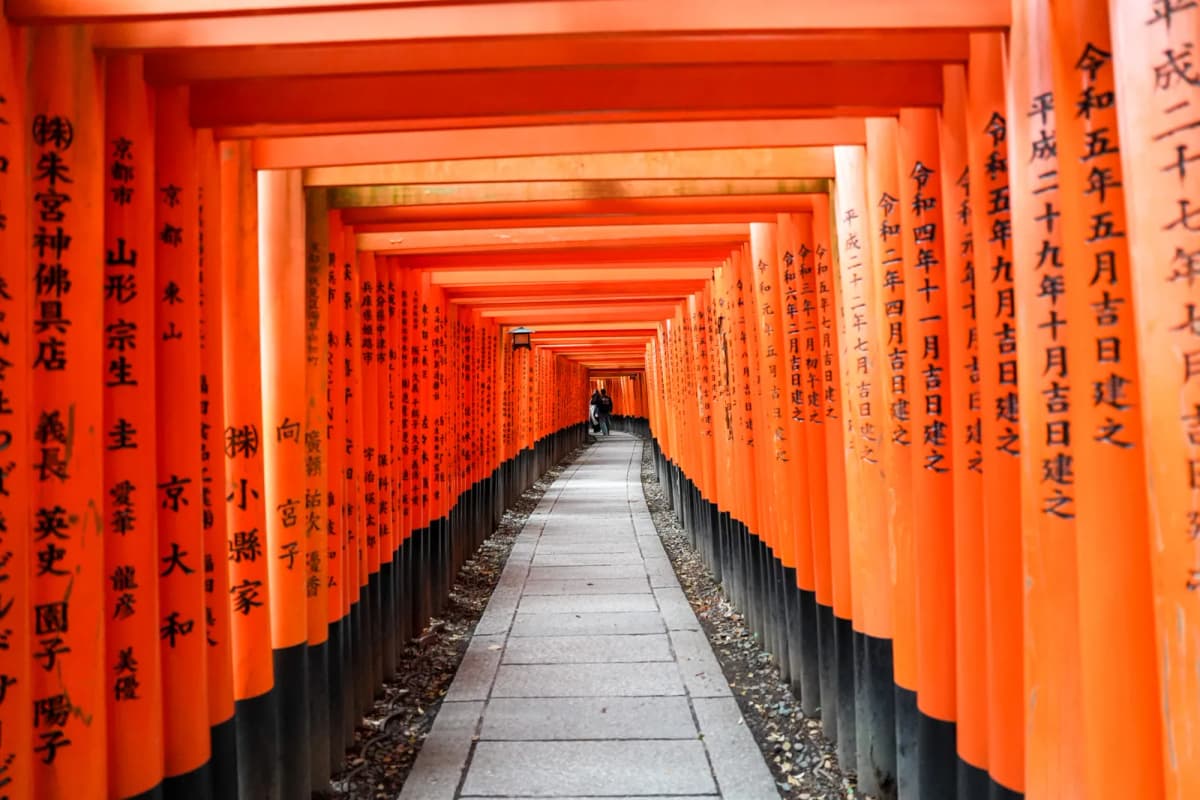
Unless you go at the crack of dawn, this was the busiest stop of the day. You don't need to climb all the way to the top, though. Turning back at the halfway point is plenty, and the path down from there was so much quieter that it's actually where I got my clean torii photos. I kept seeing solo travelers taking photos for each other, too. Food stalls set up in front of the shrine, so it's a good spot to snack while you look around.
Afternoon: Gion-Shijo and Nishiki Market
Last, get off at Gion-Shijo Station and walk about five minutes to Nishiki Market. It's a traditional food market, with snack stalls and souvenir shops lined up along a narrow covered lane between the buildings.
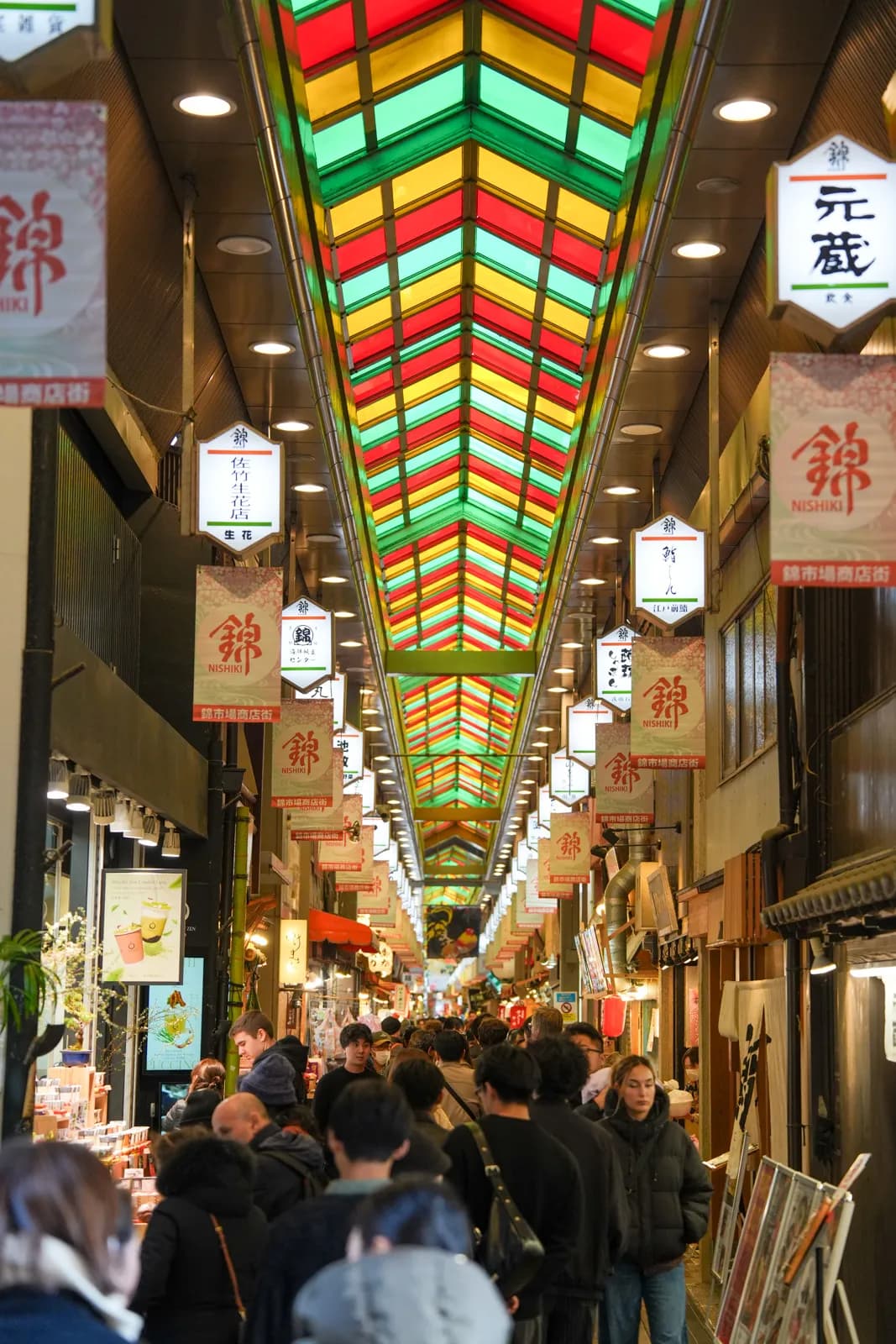
When I stayed in Kyoto a while back, my hotel was nearby, so every morning I stopped at Nishiki for skewers and tempura. The fried shrimp and skewers are the famous ones, but prices are a bit higher than elsewhere, so think of it as a place to try a few snacks rather than to have a meal. It opens in the morning, but a lot of shops close by late afternoon, so leave yourself enough time.
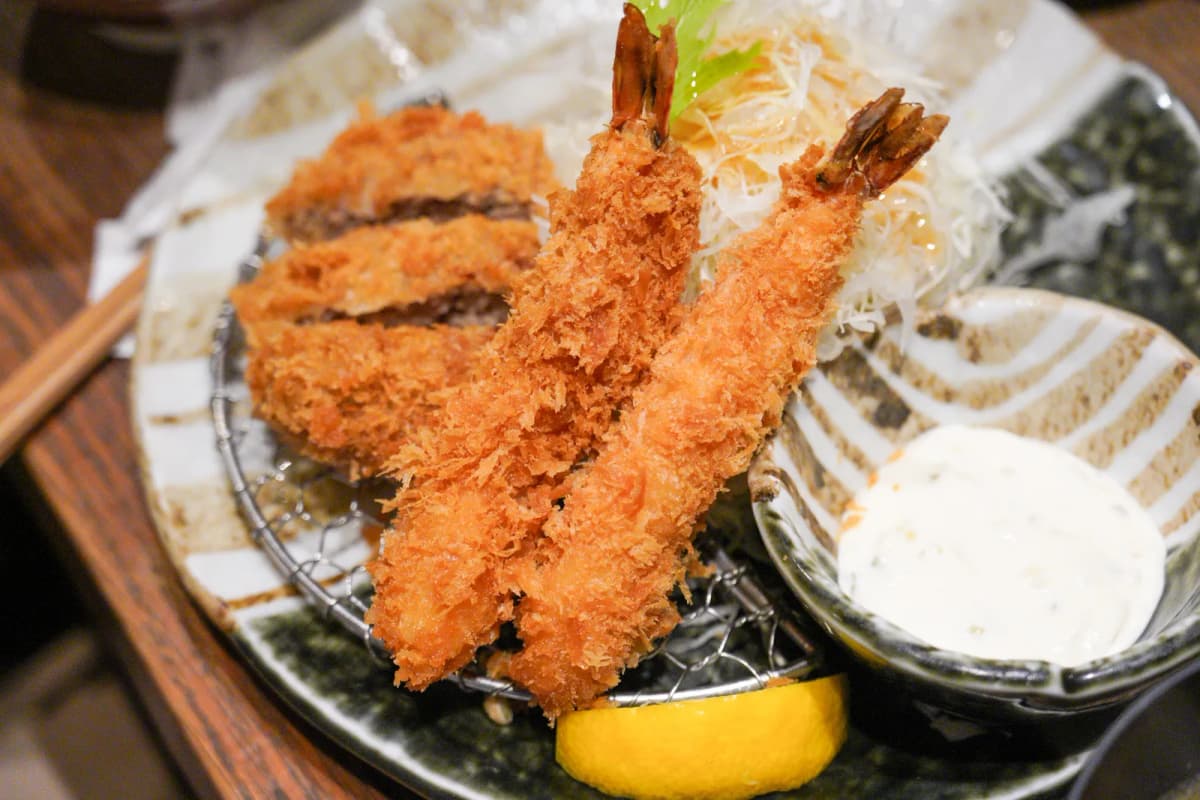
The surrounding Kawaramachi area is a busy shopping district full of malls and clothing stores, so it's a good place to shop as well. If you want a proper lunch, I'd recommend Katsukura Shijo Teramachi, a tonkatsu restaurant near Nishiki Market. Set meals run about ¥1,700 to ¥2,000 with free refills of rice, cabbage and miso soup, and the jumbo shrimp katsu was especially good. There was no wait when I went at 11:30 a.m., but by evening the line stretched down the street, so lunch is the time to go.
If you have time left: Ichijoji ramen street and Keibunsha
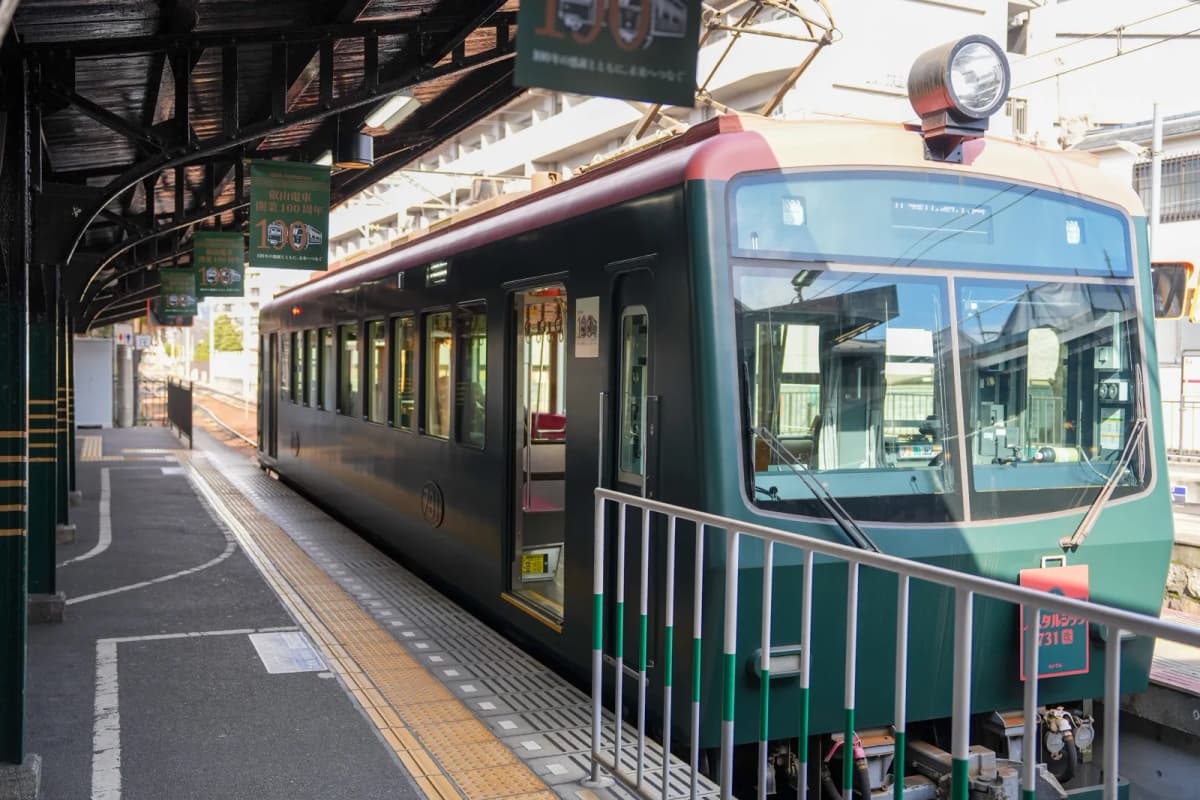
If your pass includes the Eizan Railway, change at Demachiyanagi Station and ride out to Ichijoji. The little one-car train feels so quintessentially Japanese that people were taking photos the moment they boarded.
The area in front of Ichijoji Station is one of Kyoto's best-known ramen streets. Menya Gokkei, a local favorite, still had a line past 3 p.m. The broth was rich and thick, almost like chicken porridge with noodles in it, and it tasted better than chain ramen while somehow feeling healthier. Keibunsha, a bookstore once named one of the ten most beautiful in the world, is nearby too, so stop in while you're there.
If you're staying in Kyoto: Ginkakuji and the Philosopher's Path
If you're spending at least one night in Kyoto, make Ginkakuji, the Silver Pavilion, your first stop the next morning. I've been to all of Kyoto's big sights, including Arashiyama, Kiyomizu-dera, Kinkakuji, Fushimi Inari and Ginkakuji, and Ginkakuji was the quietest of them all, maybe because tours often leave it out.
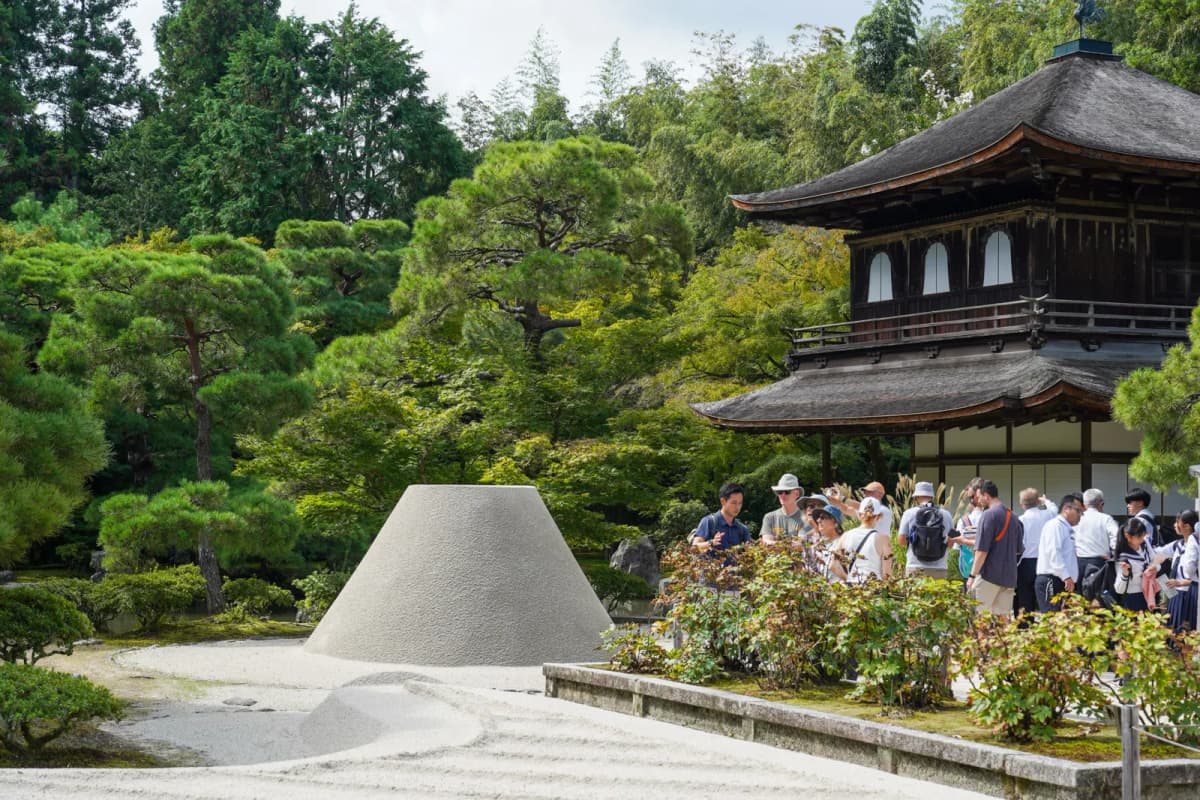
Entry is ¥500 for adults, cash only, and the earlier you go, the fewer tourists you'll meet. Right as you walk in, a karesansui dry garden spreads out in front of you, with mountains and water made from sand and stone instead of real water, and I found it far more striking than the garden at Tenryuji in Arashiyama. If Kinkakuji feels like a space built for crowds, Ginkakuji feels like a quiet private villa, so if you're traveling with your parents, they'll probably prefer this one. Climb the path behind it a little and you look out over Kyoto's low, tightly packed rooftops. Forty minutes was enough for a full loop.
The Philosopher's Path starts right outside Ginkakuji and runs about 1.8 km, famous for cherry blossoms in spring and red leaves in autumn. I wasn't there in cherry blossom season, so it felt a little plain, but in the right season it's a lovely walk to pair with Ginkakuji.
A day trip to Kyoto from Osaka is full with just Uji, Fushimi Inari and Nishiki Market. If you're heading straight to Kyoto from Kansai Airport, see my Haruka Express guide, and if you're planning your Osaka days too, my 3-day Osaka itinerary is worth a look.
FAQ
Can I do a Kyoto day trip from Osaka without a tour?
How do you use the Keihan digital pass?
Do you need to hike to the top of Fushimi Inari?
What time should I go to Nishiki Market?

Written by
Huiwon Kim (Check Kim)Founder, TripFlowy · Travel Creator
Travel creator covering Asia since 2007. Known as Check Kim (책킴) in Korea, boarded 64 flights in 2025 alone. 20+ trips to Japan, with personally tested spots across 50+ cities in 15+ Asian countries. Writes about theme parks, airport transit, observation decks, and day-trip routes from major cities.
Comments