
Umeda Sky Building Night View — Tickets, Hours, Booking Guide (Osaka)
Umeda Sky Building's Kuchu-Teien observatory: tickets, night-view timing, the rooftop vs. indoor floor, and the Osaka Amazing Pass catch (free only before 3 p.m.). Walked across multiple visits by Check Kim.
Umeda Sky Building — The Signature Osaka City Night View
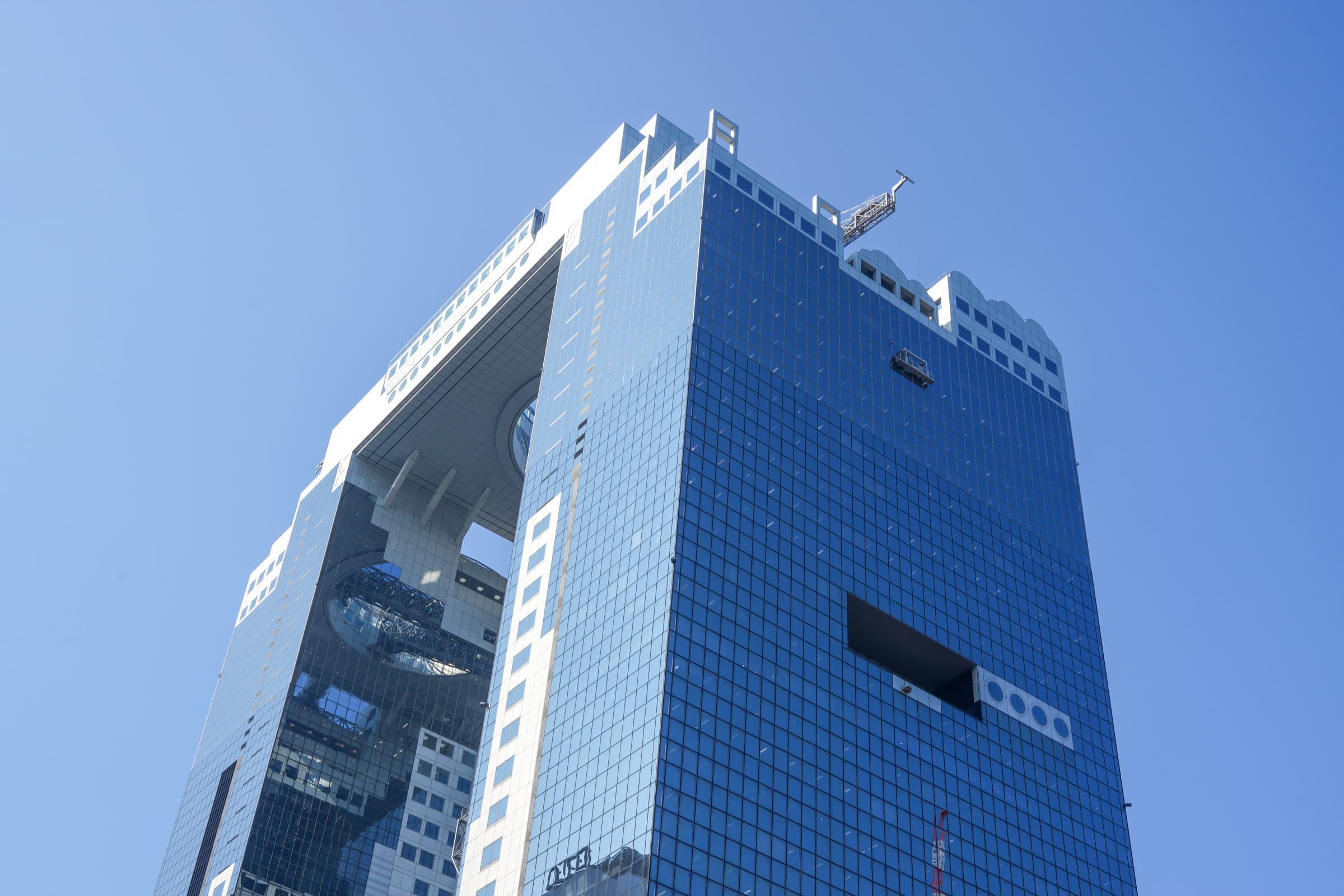
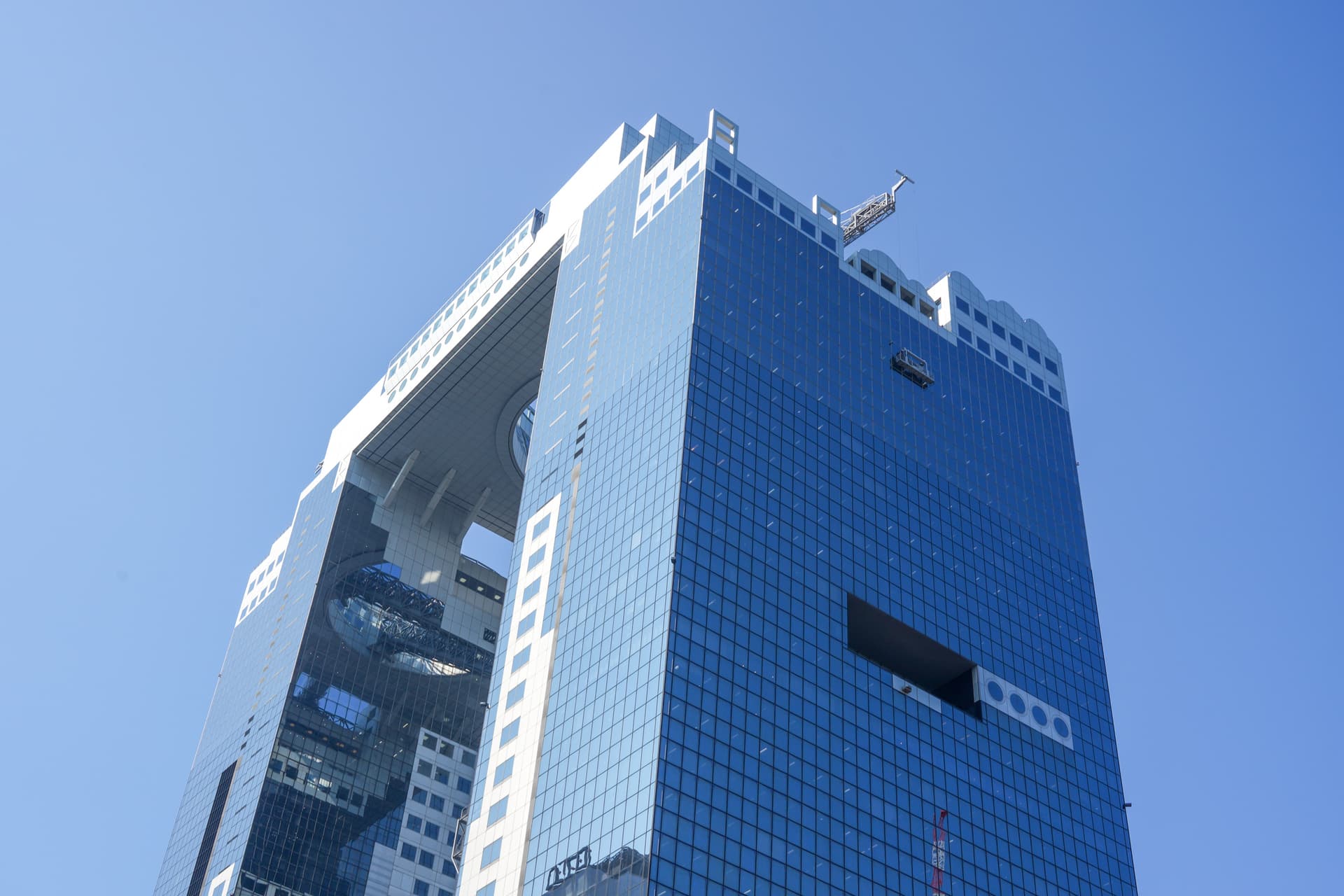
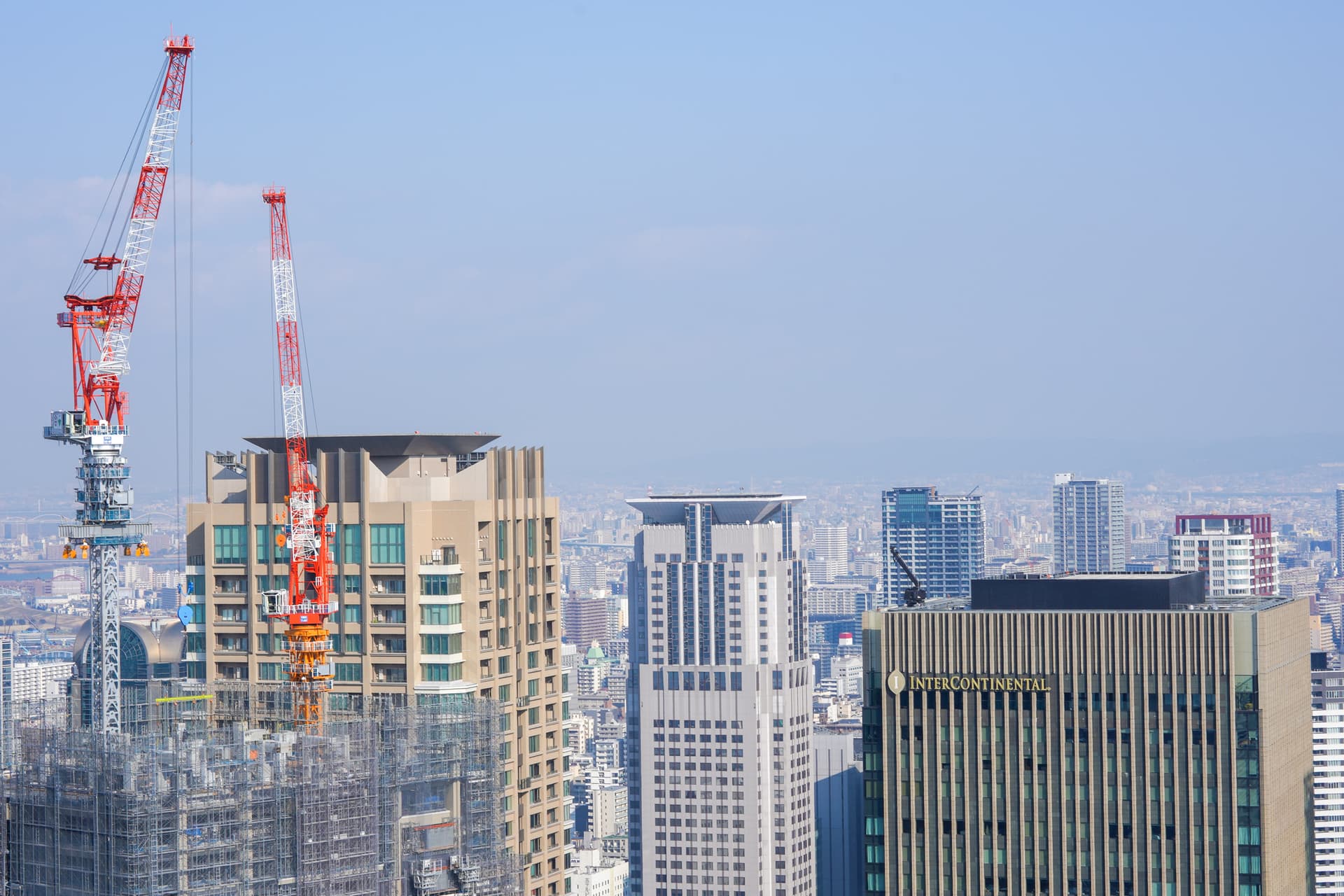
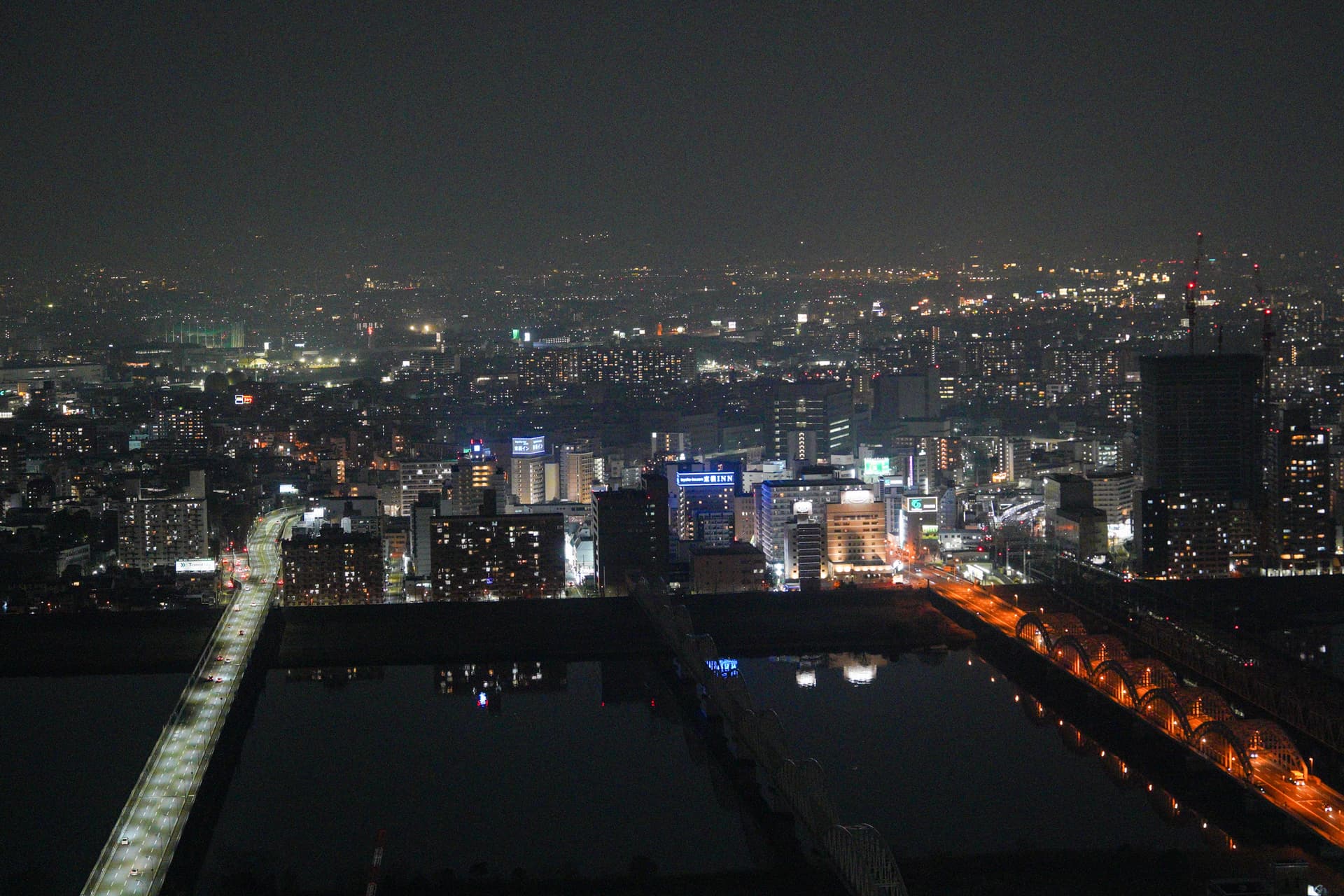
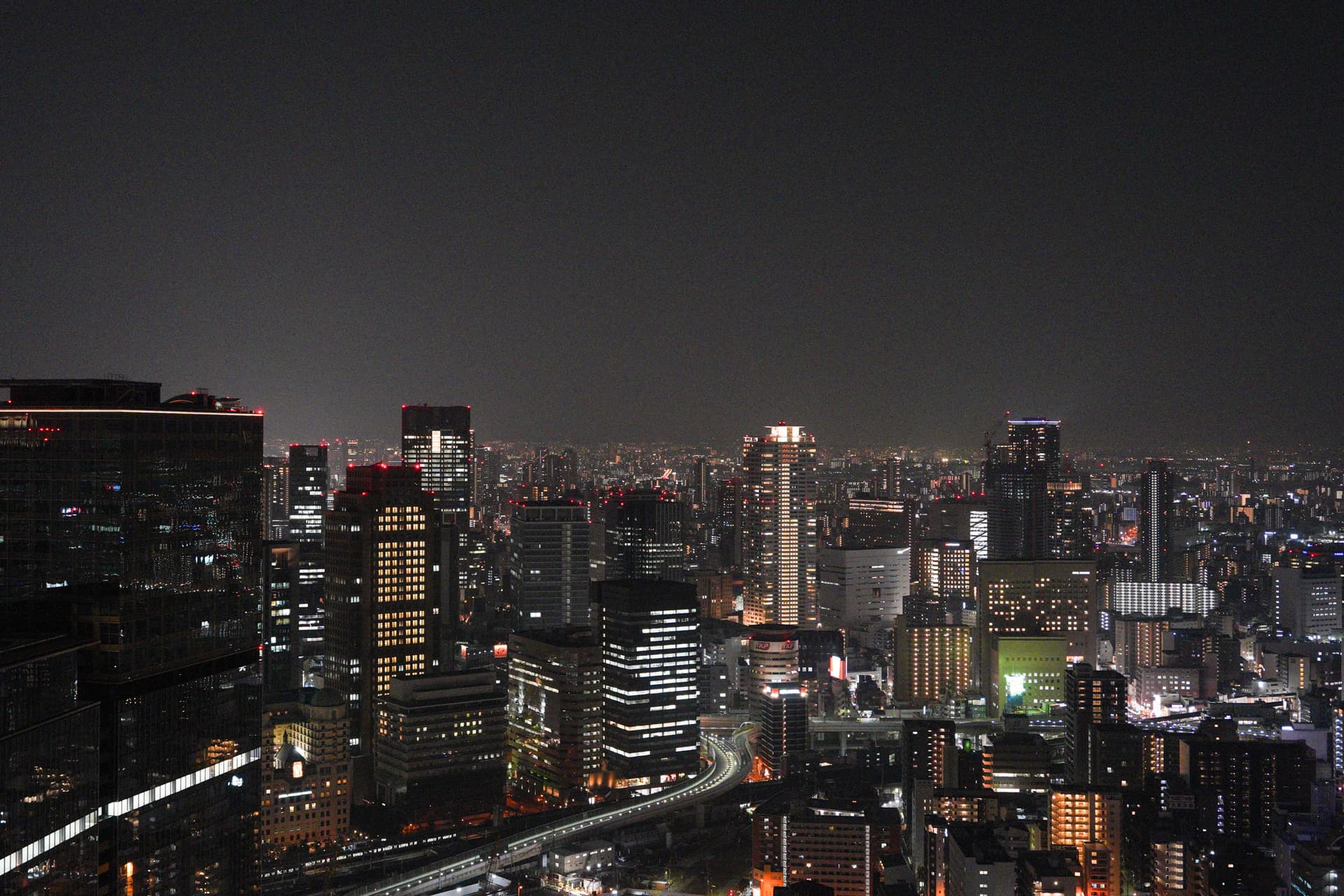
If you're going to ride one observatory in Osaka, Umeda Sky Building's Kuchu-Teien (Floating Garden) Observatory is the one most people end up picking. The building itself is a 1993 twin-tower with a ring connecting the two towers at the top — and because it sits in the middle of Umeda's high-rise cluster, the night view feels especially "city," with bright building lights up close rather than a far horizon.
Quick Facts
- Location: Umeda, Osaka (10–15 min walk from Osaka / Umeda Station)
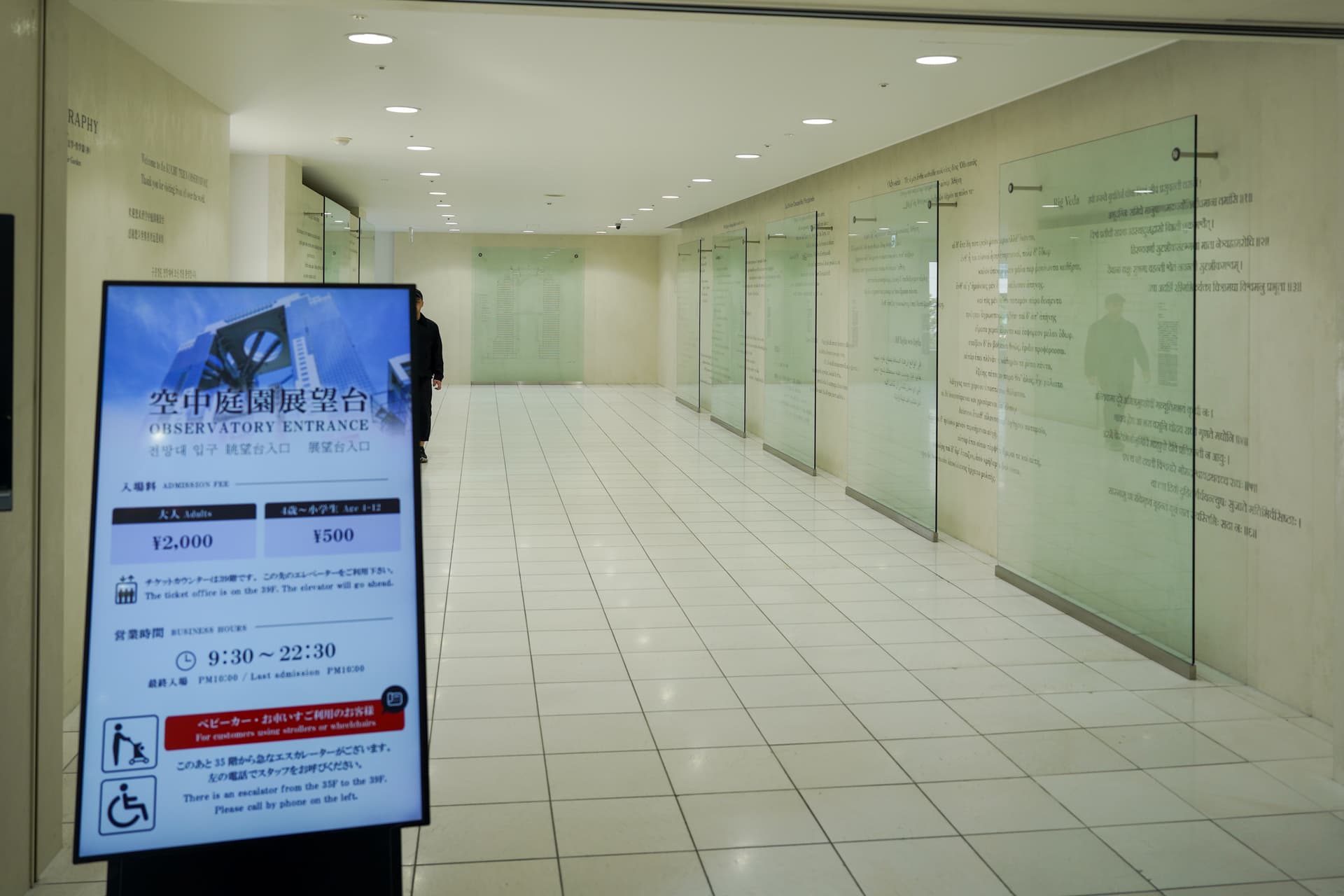
- Hours: 9:30 a.m. – 10:30 p.m. (last entry around 10:00 p.m.)
- Admission: Adult ¥2,000 / Child ¥500
- Osaka Amazing Pass: Free entry only before 3 p.m. — discounted (not free) after 3 p.m.
- Best time: Night (just after sunset through 9 p.m.)
- Booking: Klook QR voucher, exchanged at reception for a paper ticket
Location and Getting There
Umeda is the part of Osaka that feels closest to a new-city / business-district vibe — Osaka Station and Umeda Station sit right next to each other, with Hankyu, Lucua, premium hotels, and shopping malls clustered around them. Whenever I've been to Osaka, I always end up spending at least a day in this area.
Umeda Sky Building is about a 10–15 minute walk from either Osaka Station or Umeda Station. It looks like it should be right outside the station, but in practice you do walk a real distance. The walk goes past Umekita Park and shopping arcades, so it pairs well with an Umeda day.
Once you reach the building, they don't check your observatory ticket at the ground entrance — you take elevators and escalators up to a higher floor first, then they check at the actual observatory level.
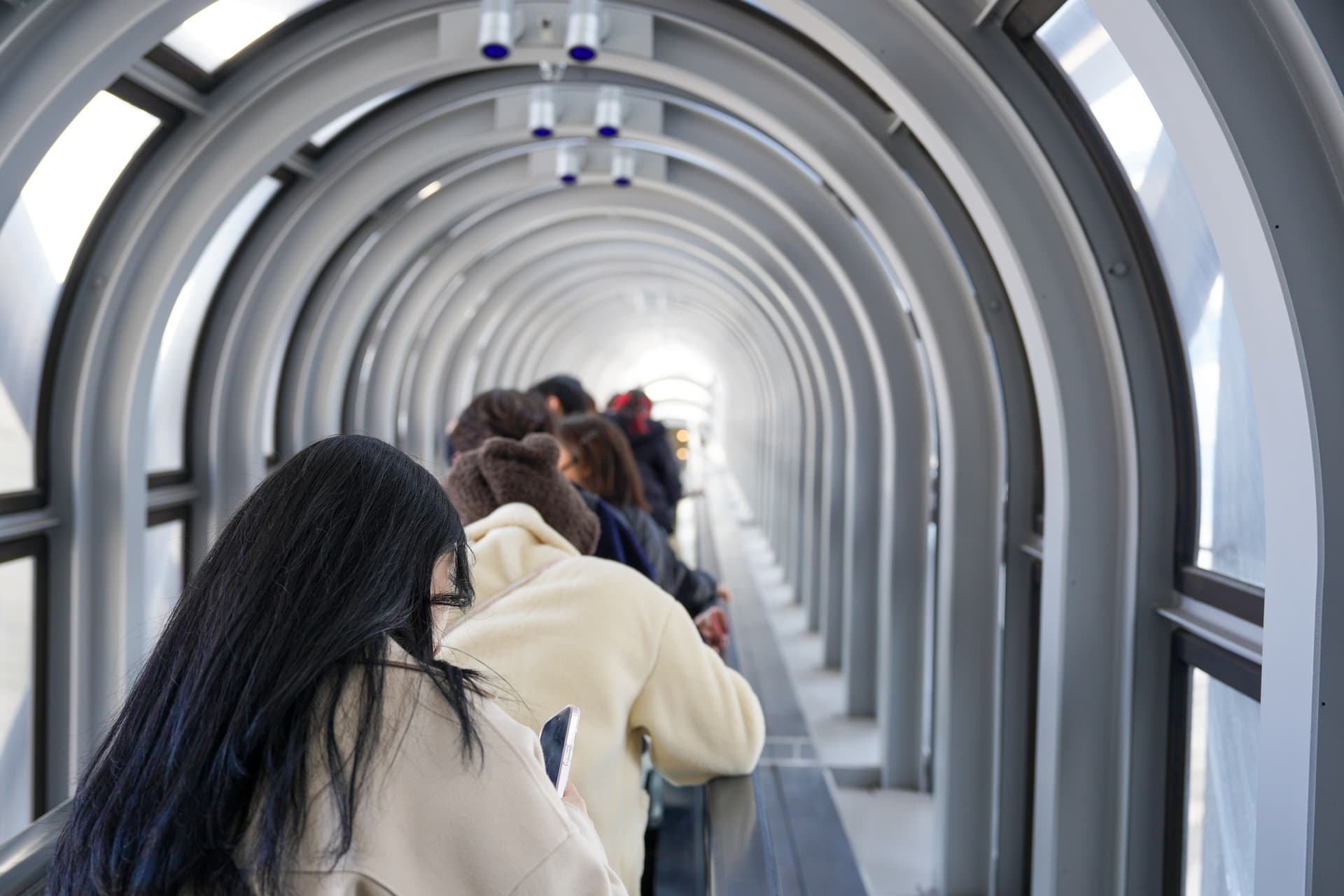
The part that stuck with me most was the aerial escalator that bridges the two towers. Riding it at night feels almost like a sci-fi movie set — the mood gets going before you even hit the observatory.
Tickets and Booking
You can buy tickets on-site, but I always pre-book on Klook. The QR voucher gets you in faster than the on-site queue.
Adult admission is ¥2,000, child ¥500. Hours are 9:30 a.m. to 10:30 p.m., with last entry around 10:00 p.m., so it's safer not to push it too late.
Lots of travelers also use the Osaka Amazing Pass or the e-Pass for entry. The catch worth knowing: free entry on the pass only applies before 3 p.m. After 3 p.m. it switches to a discount, not free entry — so if you're going for the night view specifically, buying a separate Klook ticket is often the cleaner move.
I've done both. I went on the Amazing Pass during the daytime in past trips, and this time I bought a separate ticket for the night view. Honestly, the night was much more satisfying than the daytime, and the extra ticket spend didn't feel wasted.
Indoor Observatory
Umeda Sky Building's observatory splits into an indoor floor and a rooftop garden. The indoor floor comes first — it's a 360° view over central Osaka.
Umeda has a different feel from Namba or Dotonbori. Where Namba is the loud, neon-soaked entertainment quarter, Umeda is more glass-and-tower business-district, so when the sun drops, building lights stand out cleaner.
The indoor floor has window-side seating and a café. During the day people grab coffee or dessert; in the evening I saw people with beers and light drinks. I'd already eaten dinner so I didn't order anything, but the window seats look like a nice place to slow down for a bit.
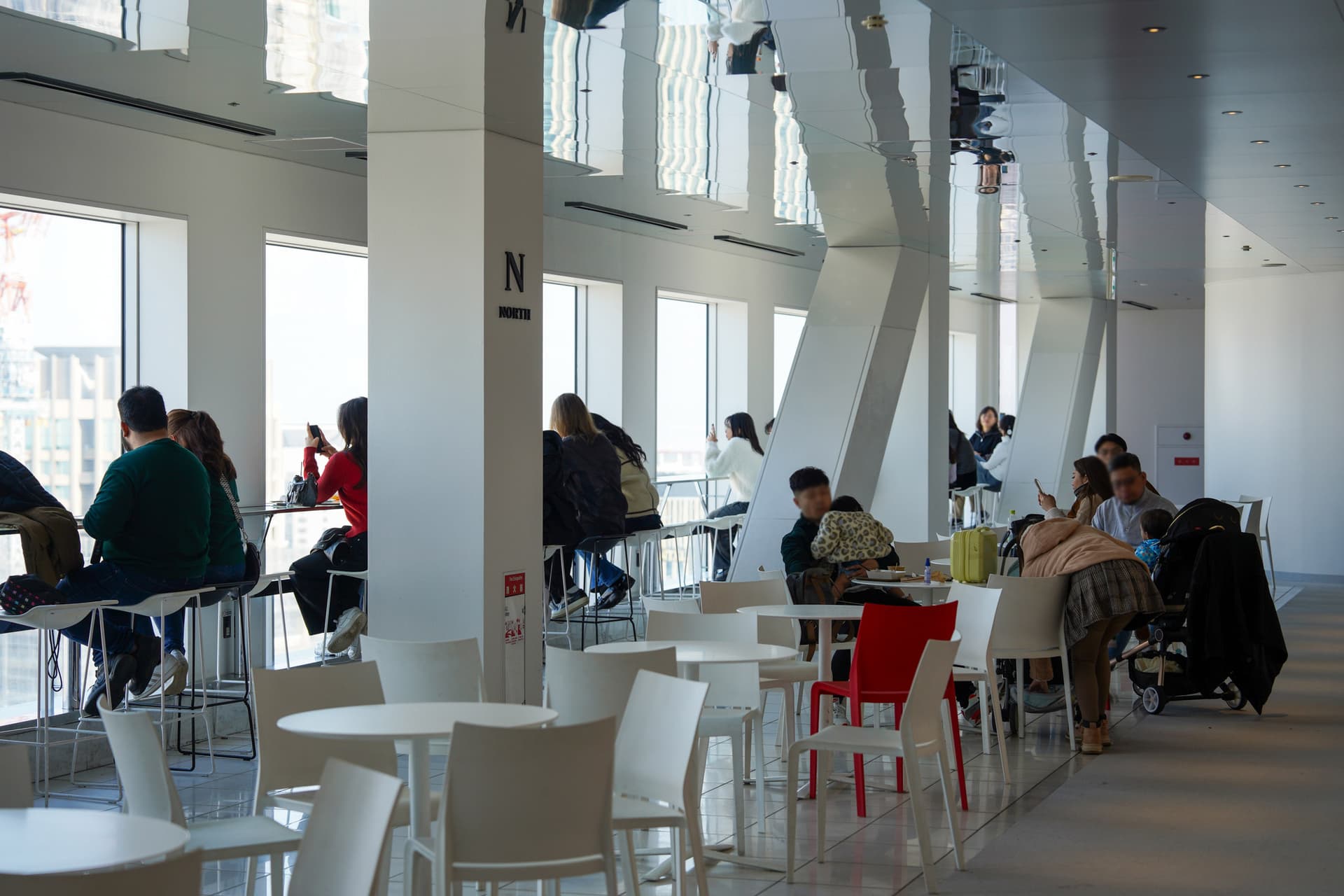
There's also a small exhibition section about the building. Knowing it was finished in 1993 and seeing the construction details on this twin-tower-with-a-ring design makes it feel less like "an observatory" and more like a building that's worth looking at as a thing in itself.
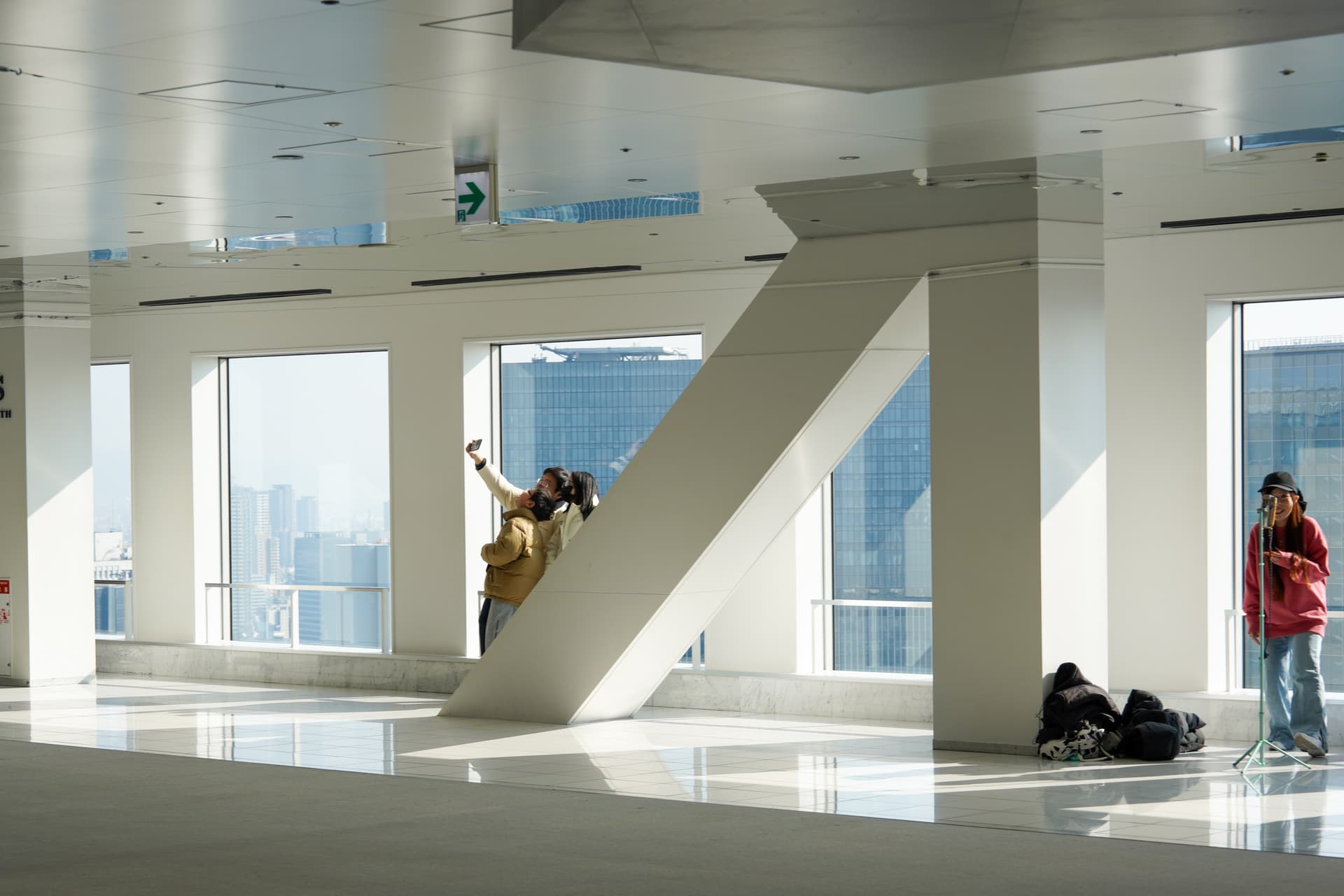
The one downside of the indoor floor: window glare. If you're trying to actually photograph the night view, the indoor windows reflect too much. The rooftop is genuinely better for shots.
Rooftop Floating Garden
The main of Umeda Sky Building is the open-air rooftop. From the indoor floor you take stairs up one level, and you walk out onto a circular outdoor deck that loops around the entire roof.
It's noticeably more open and breezy than indoors. The outer edge isn't sealed in by tall glass, so you get less reflection in photos, and the city lights come through cleaner.
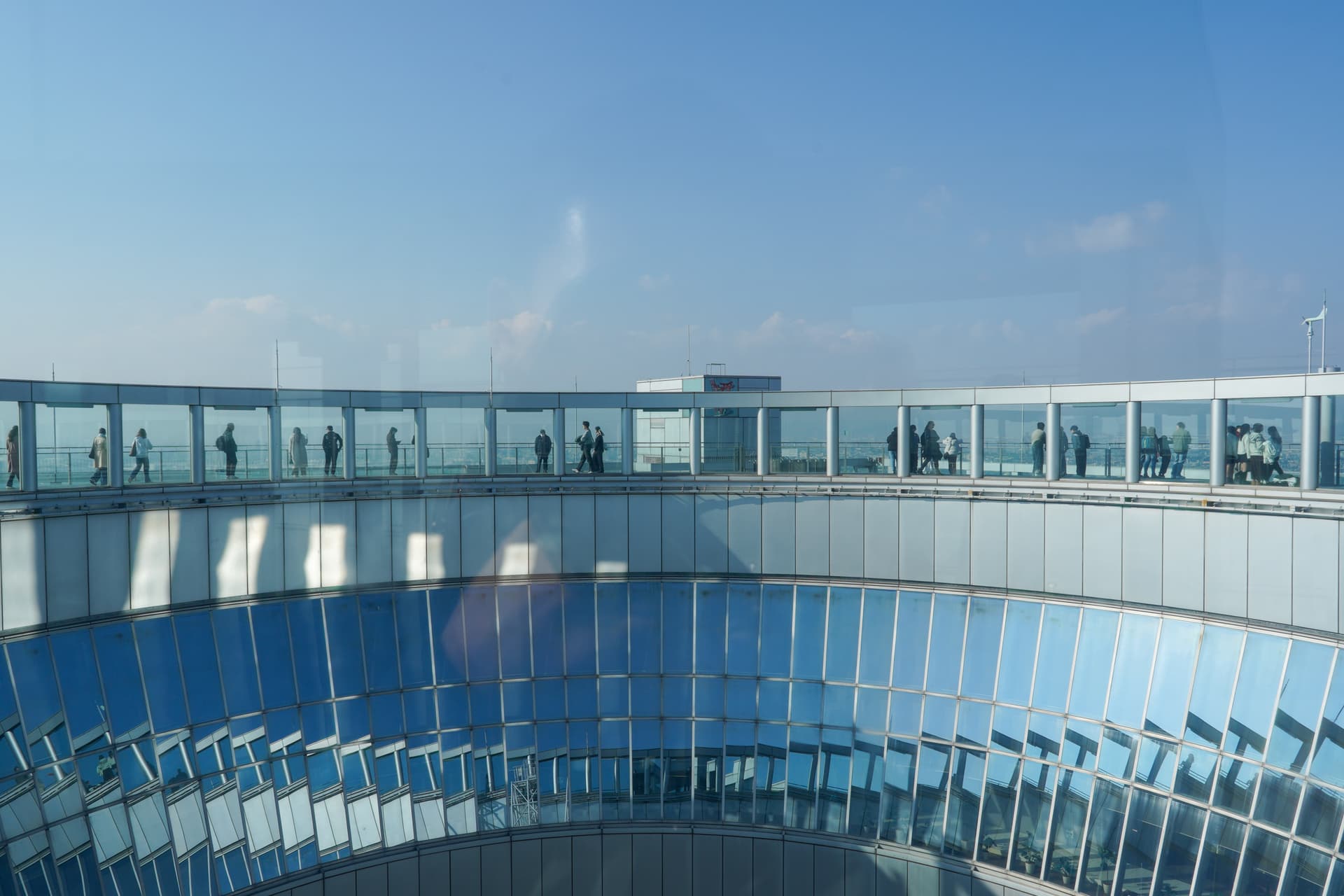
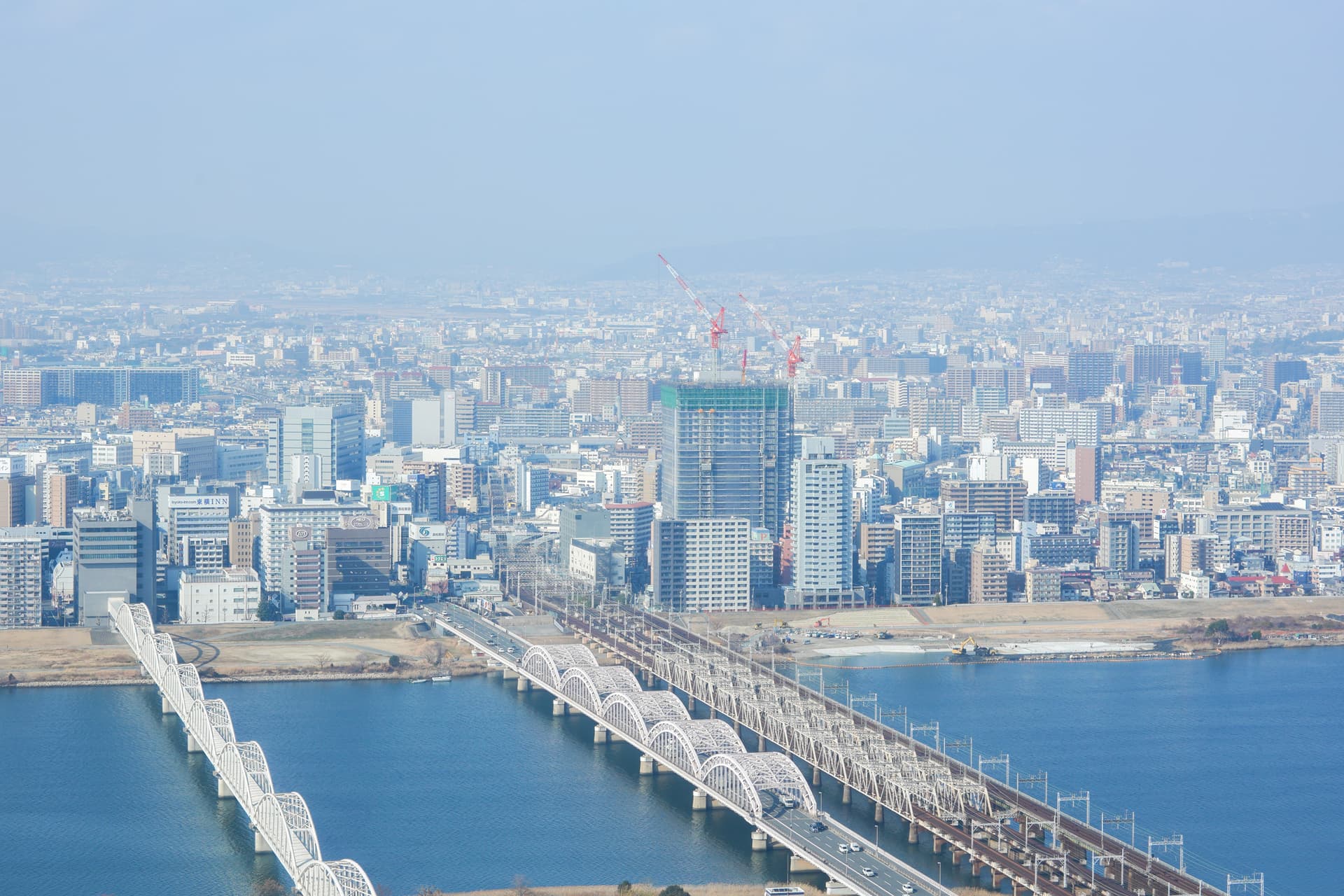
I've been here in daytime too. Personally, the night session is the one. Daytime gives you longer sight lines, but at night the close-in building lights look more impressive — and Umeda's high-rise density makes the city skyline feel more like a city, less like a horizon shot.
The rooftop floor also has a reflective metallic finish that gives a slight "in space" feeling, especially at night. Photos turn out well, and there are noticeably fewer people than in the daytime, so you can take your time.
Heads-up: it's windy. Hats, umbrellas, and food/drinks are sometimes restricted, and in winter the wind cuts cold — bring a layer.
A typical visit runs 30 minutes to an hour, or up to 1.5 hours if you're sitting in the café and taking a lot of photos. On the way down there's a souvenir shop that's bigger than you'd expect — a magnet or keychain works as a clean Osaka souvenir.
If you're choosing between Harukas 300 and Umeda Sky Building: Harukas 300 wins for sheer height and a sweeping view, but Umeda Sky Building wins for closer-in city night view and a more interesting building experience.
I'd specifically recommend Umeda Sky Building at night. The Osaka Amazing Pass works for free entry during the day, but paying for a separate evening ticket is the move — the night view stays in memory longer.
If you're piecing together an Osaka itinerary, the TripFlowy planner can drop Umeda Sky Building into a day grid alongside Dotonbori and the rest of the city. Pair this night-view stop with the USJ Express Pass guide for daytime, and if you're flying into KIX with Kyoto first on the route, the Haruka airport-express guide is the cleanest way in. For other Tokyo-side observatory comparisons, see Shibuya Sky and Tokyo Skytree.
Book Umeda Sky Building Tickets
via Klook
FAQ
What time is best to visit Umeda Sky Building for the night view?
Does the Osaka Amazing Pass cover Umeda Sky Building at night?
How do I get to Umeda Sky Building from Osaka or Umeda Station?
Umeda Sky Building or Harukas 300 — which observatory should I pick?
Indoor floor or rooftop — which one should I focus on?

Written by
Huiwon Kim (Check Kim)
Founder, TripFlowy · Travel Creator
Travel creator covering Asia since 2007. Known as Check Kim (책킴) in Korea, boarded 64 flights in 2025 alone. 20+ trips to Japan, with personally tested spots across 50+ cities in 15+ Asian countries. Writes about theme parks, airport transit, observation decks, and day-trip routes from major cities.
Plan a trip to this destination
Start Planning
Book Umeda Sky Building Tickets
≈$13–14 (¥2,000) adult — same as on-site, with QR-fast entry