
Ginkakuji (¥1,000) vs Kinkakuji + Philosopher's Path
 Huiwon Kim (Check Kim)2026-11-034 min read
Every photo in this post was taken on site by Check Kim.
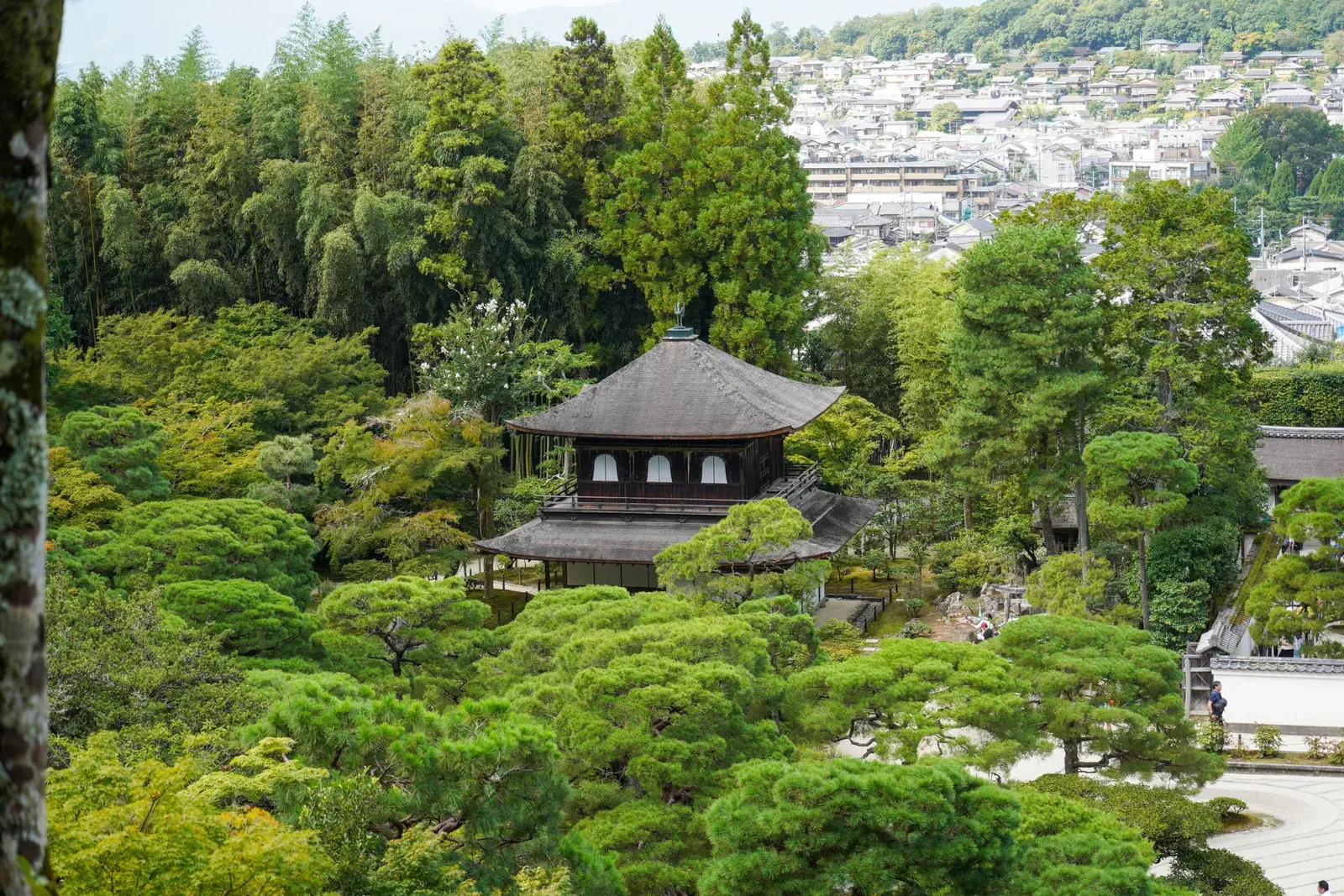
- Admission
- Adults ¥1,000 · Children ¥500
- Hours
- 8:30 a.m.–5 p.m. (Dec–Feb 9 a.m.–4:30 p.m.), go early
- Getting there
- Bus · about 47 min from Kyoto Station, 30 min from Shijo + 10 min walk
- Time needed
- About 40 min inside · Philosopher's Path 1.8km
Contents · 4
Ginkakuji costs ¥1,000 and takes about 40 minutes to walk around. It's far out, but quieter than Kinkakuji, with a striking sand garden.
Ginkakuji, the Silver Pavilion, costs ¥1,000 for adults, and you can walk the whole temple in about 40 minutes. It sits on Kyoto's eastern edge, nearly 50 minutes by bus from Kyoto Station, so tours often skip it. But it was far less crowded than Kinkakuji, and the sand garden was the highlight. You can pay by card, and the Philosopher's Path starts right outside the gate.
Arashiyama, Kiyomizu-dera, Kinkakuji, Ginkakuji and Fushimi Inari are usually called Kyoto's top sights, and I've been to all five, both on tours and on my own. On a family trip I went to Ginkakuji the day after Kinkakuji, which made it easy to compare the two.
Getting There and Admission
Like most Kyoto sights, Ginkakuji is a long way from downtown. The bus from Kyoto Station takes about 47 minutes to the stop, and from our hotel near Shijo Station it was about 30. From the bus stop it's a 10-minute walk uphill, and the lane up to the temple feels like an ordinary Japanese neighborhood, which made the walk fun.
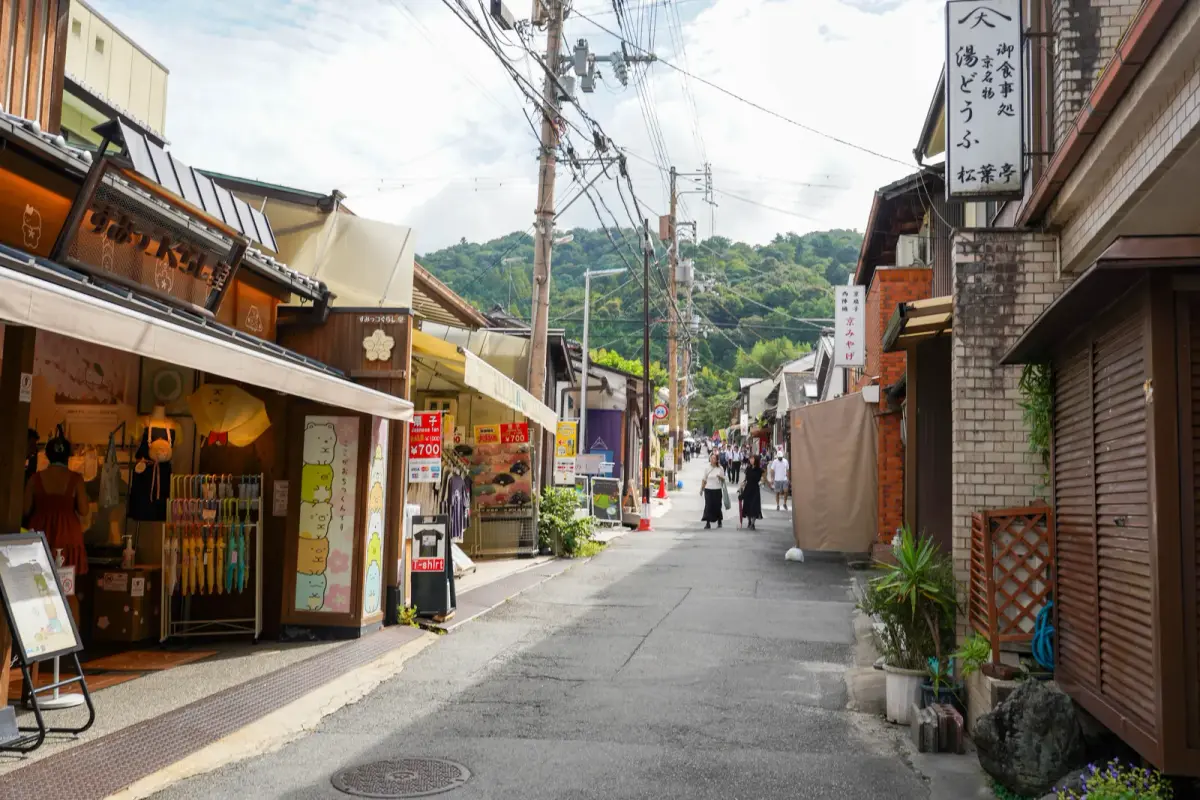
The lane is lined with shops, but we went to the temple first while we still had energy and browsed on the way down. Admission is ¥1,000 for adults and ¥500 for children, bought at the gate with no reservation, and cards are accepted. It's open from 8:30 a.m. to 5 p.m. (9 a.m. to 4:30 p.m. from December to February). Crowds grow during the day, so I'd make it your first stop of the morning.
Walking Around Ginkakuji
Ginkakuji started as a villa built in the late 15th century by the shogun Ashikaga Yoshimasa and became a temple after his death. There's a story that he meant to cover the building in silver, but it has always stayed the natural color of the wood you see today.
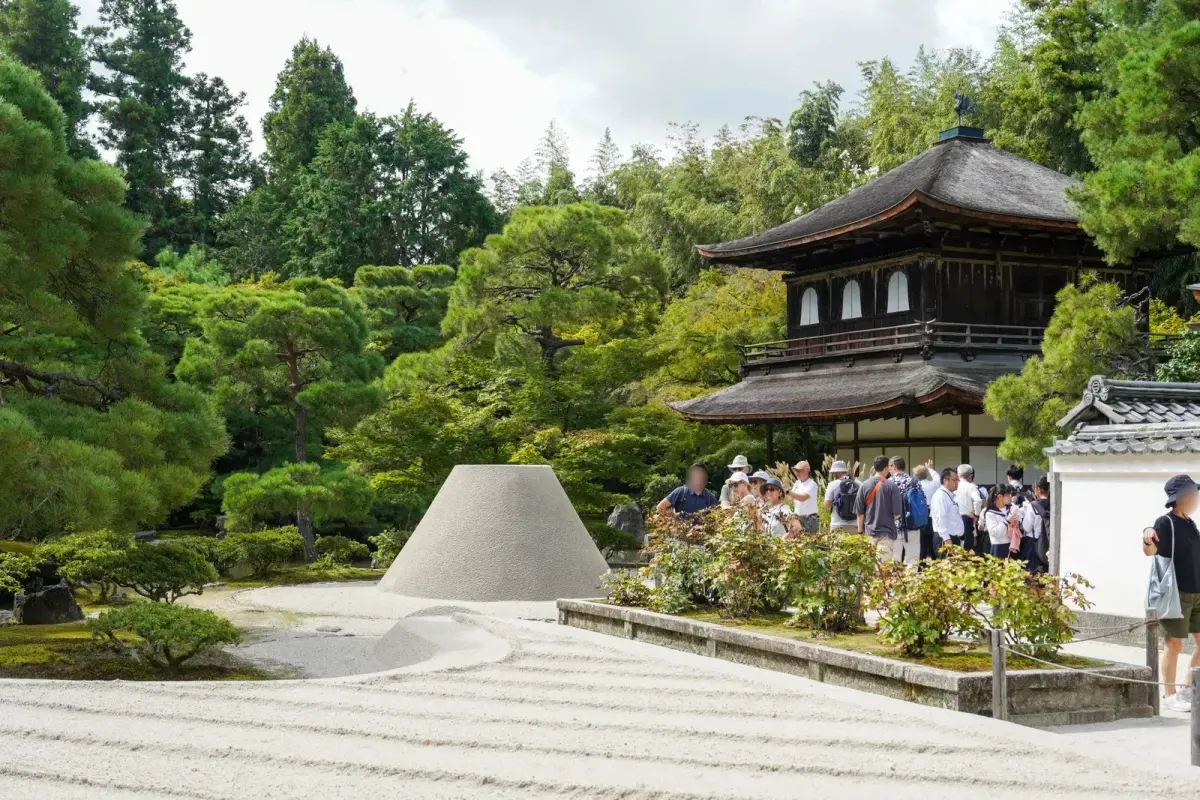
Right inside the gate is a large karesansui garden. It's a Japanese dry garden that uses stone and sand instead of water to represent nature: the sand stands for water and the stones for mountains or islands. I'd seen karesansui at Tenryuji in Arashiyama, but Ginkakuji's was on another level. After seeing this garden, I felt Ginkakuji is underrated compared with Kyoto's other big sights.
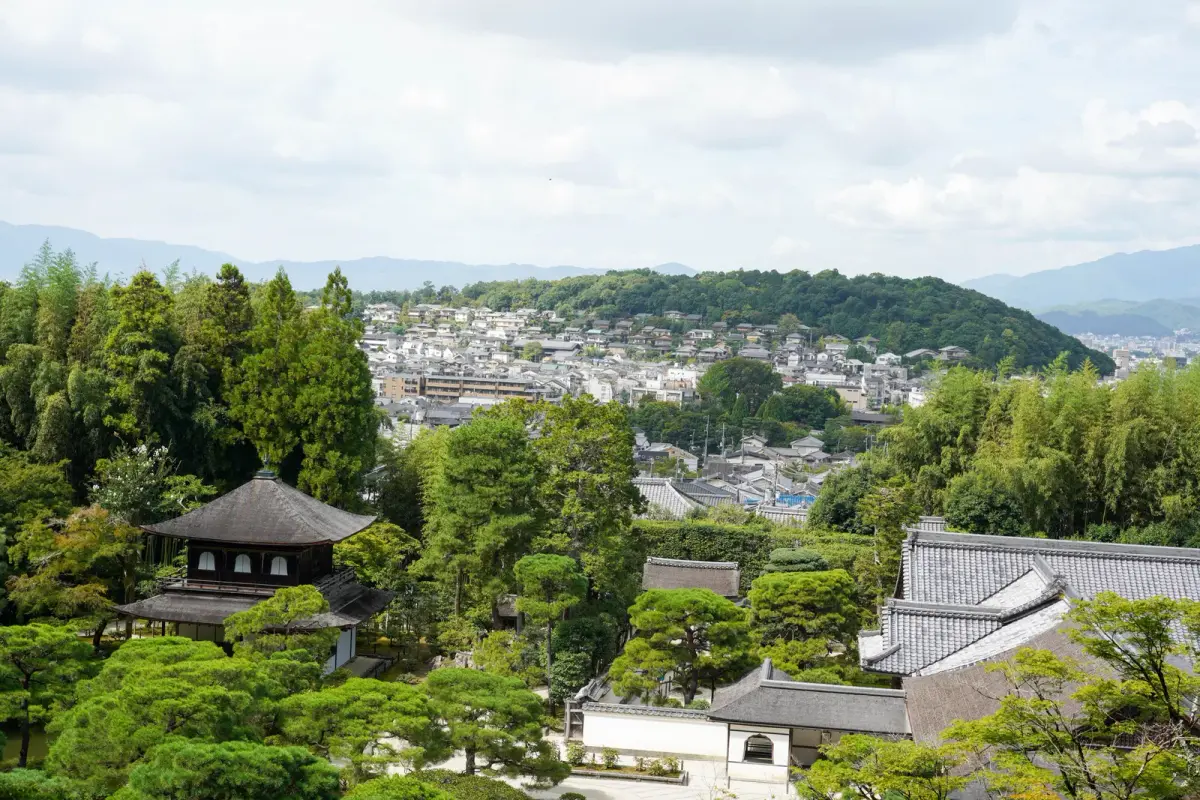
You can't go inside the main pavilion, only take photos from beside it. Behind the temple, a short path climbs the hill, more of a stroll than a hike, and the view over the edge of Kyoto opens up nicely. Instead of the tall buildings around Kyoto Station, you see low Japanese houses packed together. The full loop takes about 40 minutes. There's a souvenir shop and restrooms outside, and the shop is big enough that it's easy to pick something up.
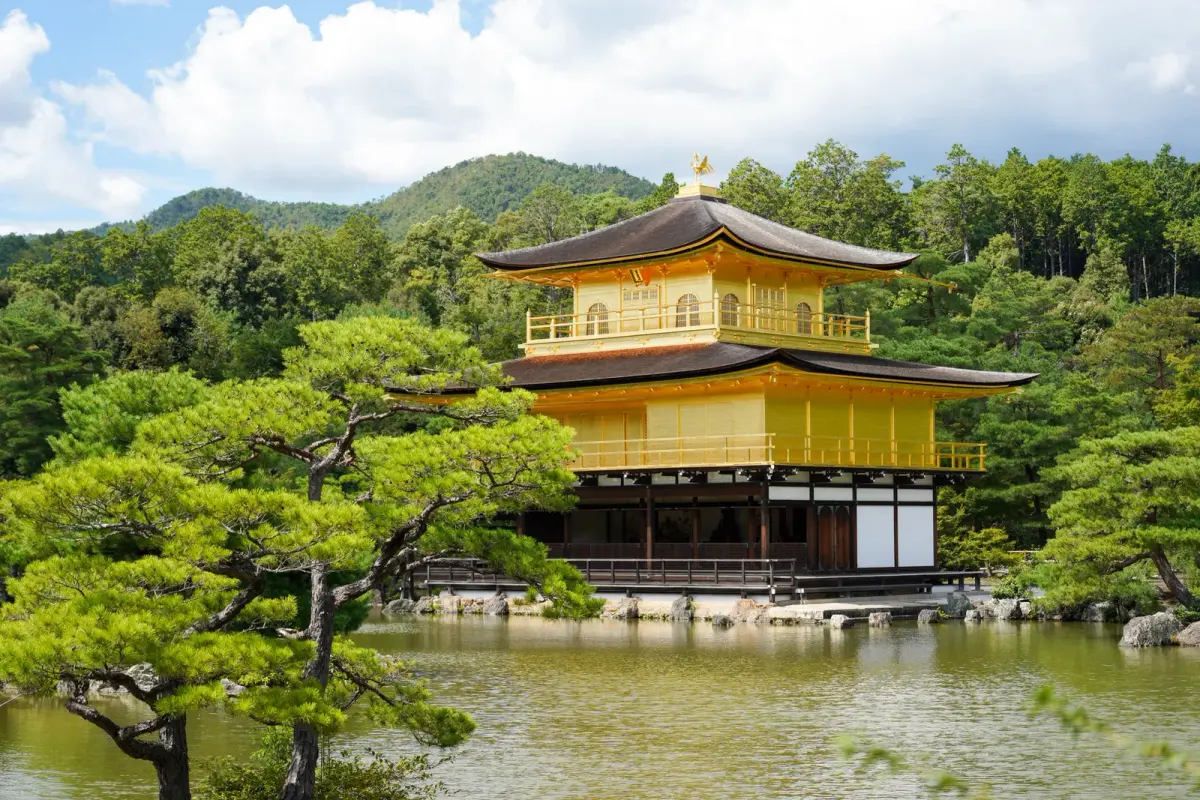
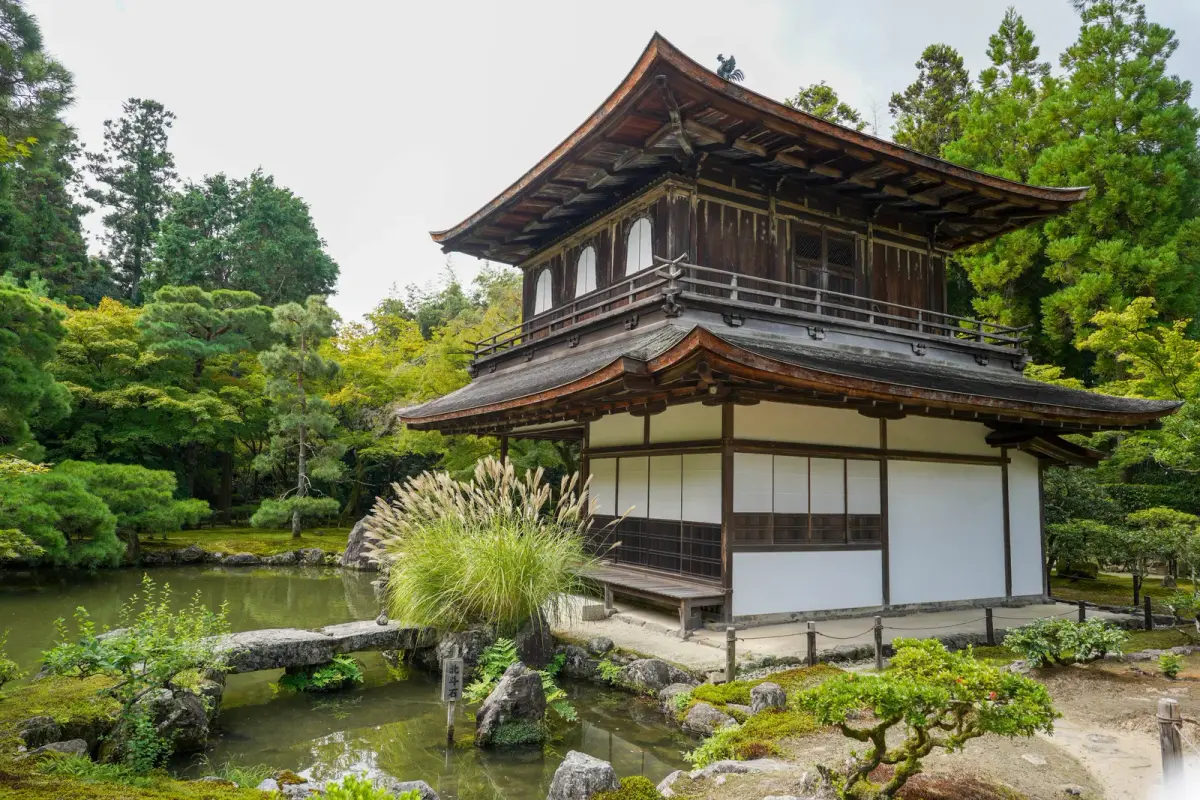
How It Compares to Kinkakuji
Category | Kinkakuji | Ginkakuji |
|---|---|---|
Feel | Open garden built for crowds | Small private villa, quiet |
Building | Gold exterior | Natural wood |
Crowds | Lots of tourists | Fewer |
On bus tours | Almost always | Often skipped (narrow roads, awkward parking) |
Best for | First-time visitors, photo spots | Quiet gardens, trips with older parents |
The two buildings have a similar shape, but the colors couldn't be more different. Kinkakuji is the flashy one that makes you feel you're really in Kyoto, while Ginkakuji keeps the calm colors Kyoto is known for. Most bus tours visit the other four sights and leave out Ginkakuji, probably because the roads are narrow and parking is awkward.
Walking On to the Philosopher's Path
The Philosopher's Path begins right in front of Ginkakuji. It's a roughly 1.8km path laid out in 1890, best known for cherry blossoms in spring and also for fireflies in summer, autumn leaves and winter snow. There were no cherry blossoms or autumn leaves when I went, so it felt fairly ordinary. In cherry blossom or autumn leaf season, pair it with Ginkakuji for a half-day.
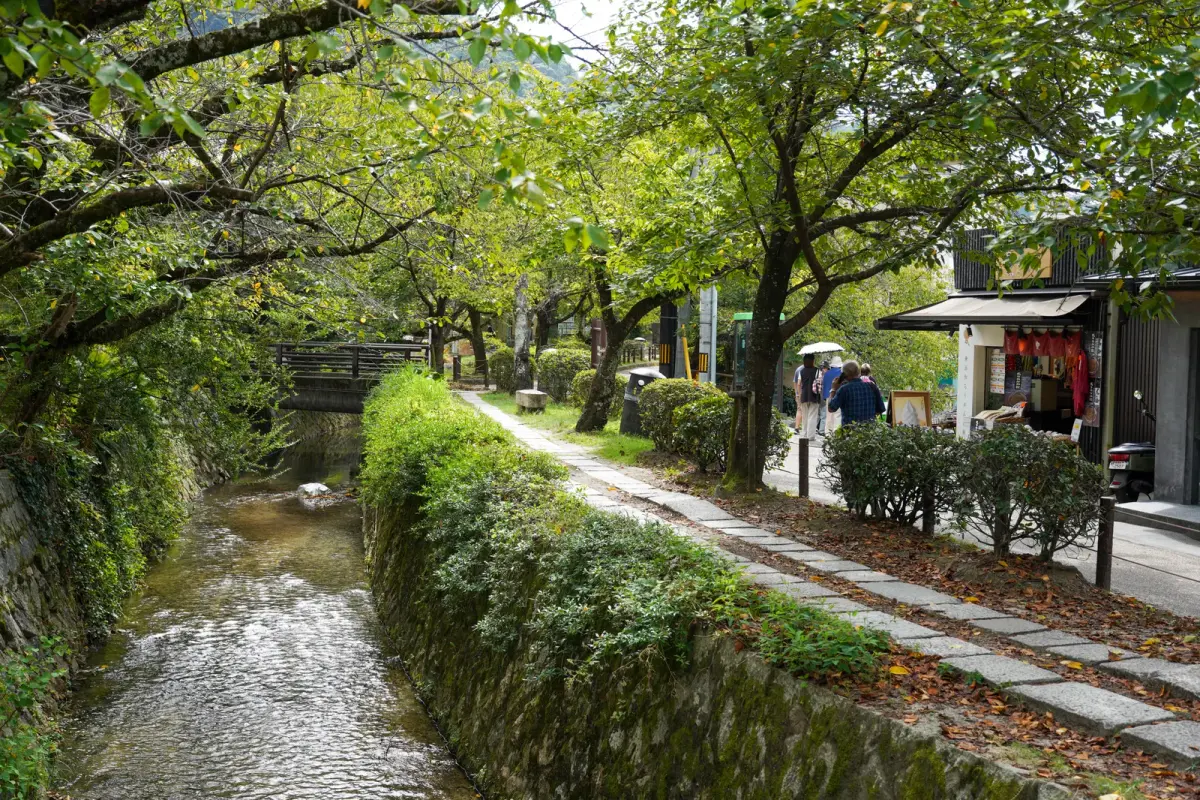
Ginkakuji is easy to miss because it's so far out, but if you want to see a quieter side of Kyoto than crowded Kinkakuji or Kiyomizu-dera, put it in your morning plans. For taking the bus, see this guide to getting around Kyoto.
FAQ
Which is better, Ginkakuji or Kinkakuji?
Can I pay for Ginkakuji with a card?
Can you go inside the pavilion at Ginkakuji?
When is the Philosopher's Path most beautiful?

Written by
Huiwon Kim (Check Kim)Founder, TripFlowy · Travel Creator
Travel creator on the road since 2007. Known as Check Kim (책킴) in Korea, boarded 64 flights in 2025 alone. 20+ trips to Japan, with personally tested spots across 50+ cities in 20+ countries in Asia, Europe and the Americas. Writes about theme parks, airport transit, observation decks, and day-trip routes from major cities.
Comments