
Getting Around Kyoto: ICOCA Card & City Buses
 Huiwon Kim (Check Kim)2026-11-025 min read
Every photo in this post was taken on site by Check Kim.
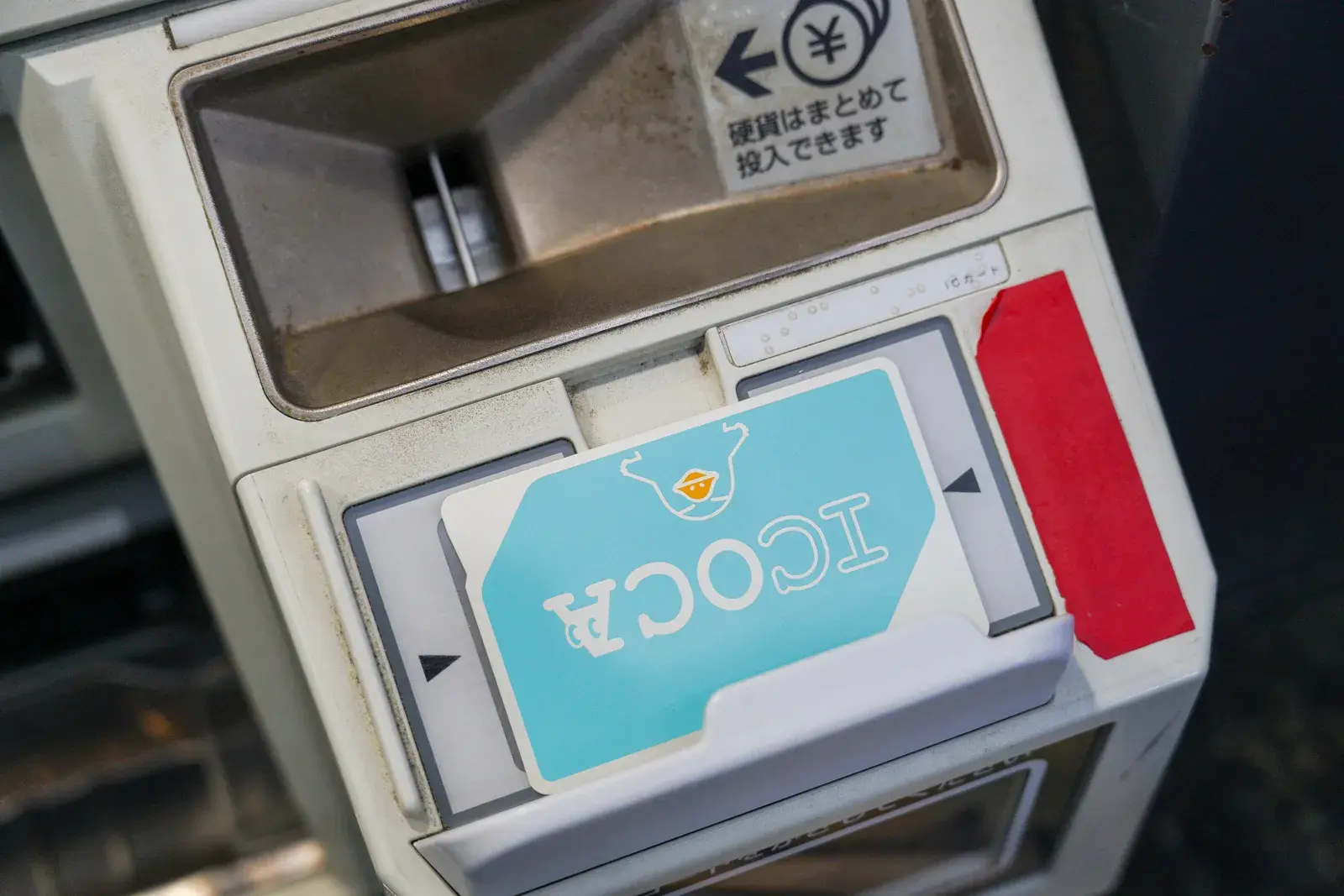
- Transit card
- ICOCA (or a transit card in Apple Pay on iPhone)
- Buying a card
- Station ticket machine, ¥2,000 (incl. ¥500 deposit)
- Riding the bus
- Board at the back · exit at the front · tap only when getting off
- Kyoto Station → Namba
- JR Special Rapid + Midosuji Line, about 1 hour · ¥820
Contents · 4
Kyoto's sights are spread out, so you'll ride buses more than the subway. One ICOCA card covers both; board at the back, tap when you get off.
The first thing to know about public transport in Kyoto is that you'll ride the bus far more than the subway. Big sights like Arashiyama and Fushimi Inari are spread around the edges of the city, and Google Maps sends you by bus most of the time. One ICOCA card covers both buses and trains, and on the bus you board at the back and only tap your card when you get off.
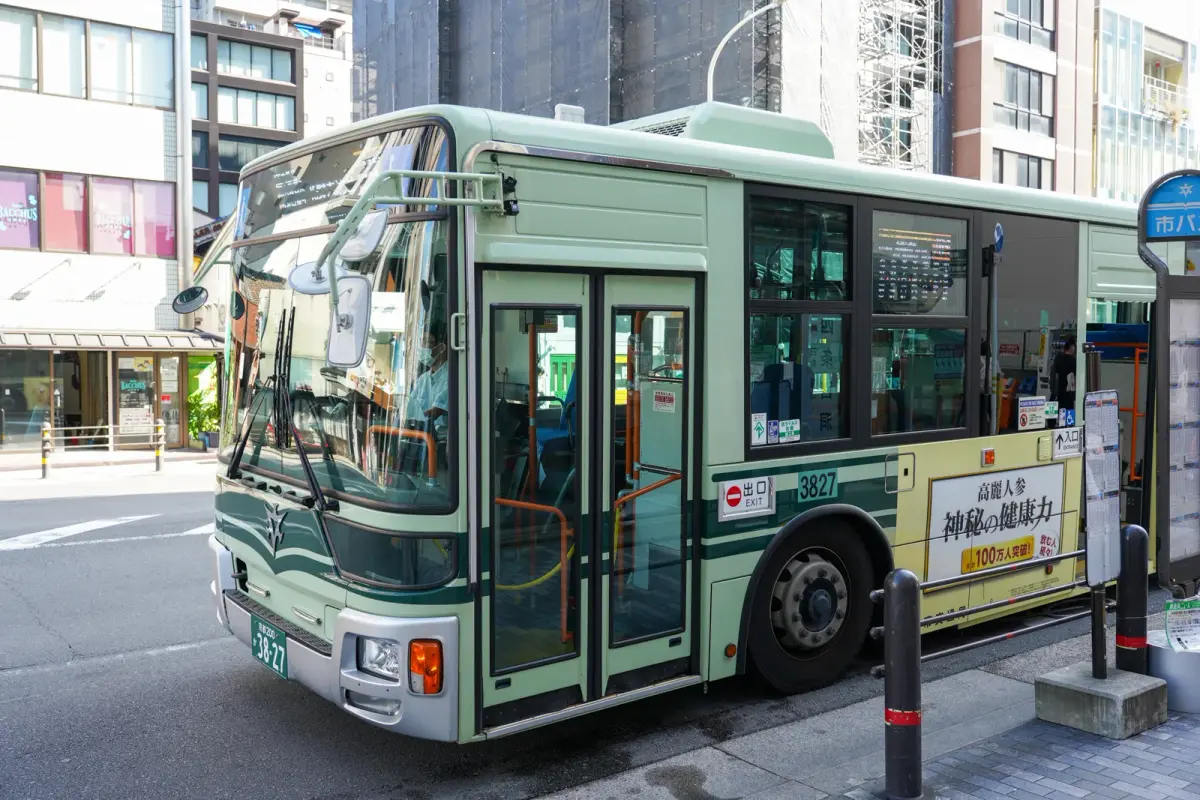
I stayed in Kyoto for four days and got around by bus and subway, then rolled my suitcase from Kyoto Station to Namba in Osaka on the last day. Traffic runs on the left in Japan and the bus doors work the other way from what I'm used to, so it was a little confusing at first.
Buying and topping up an ICOCA card
In Kyoto, I'd get an ICOCA card first thing. You can buy single tickets, but with all the bus rides in Kyoto, carrying only cash gets tiresome.
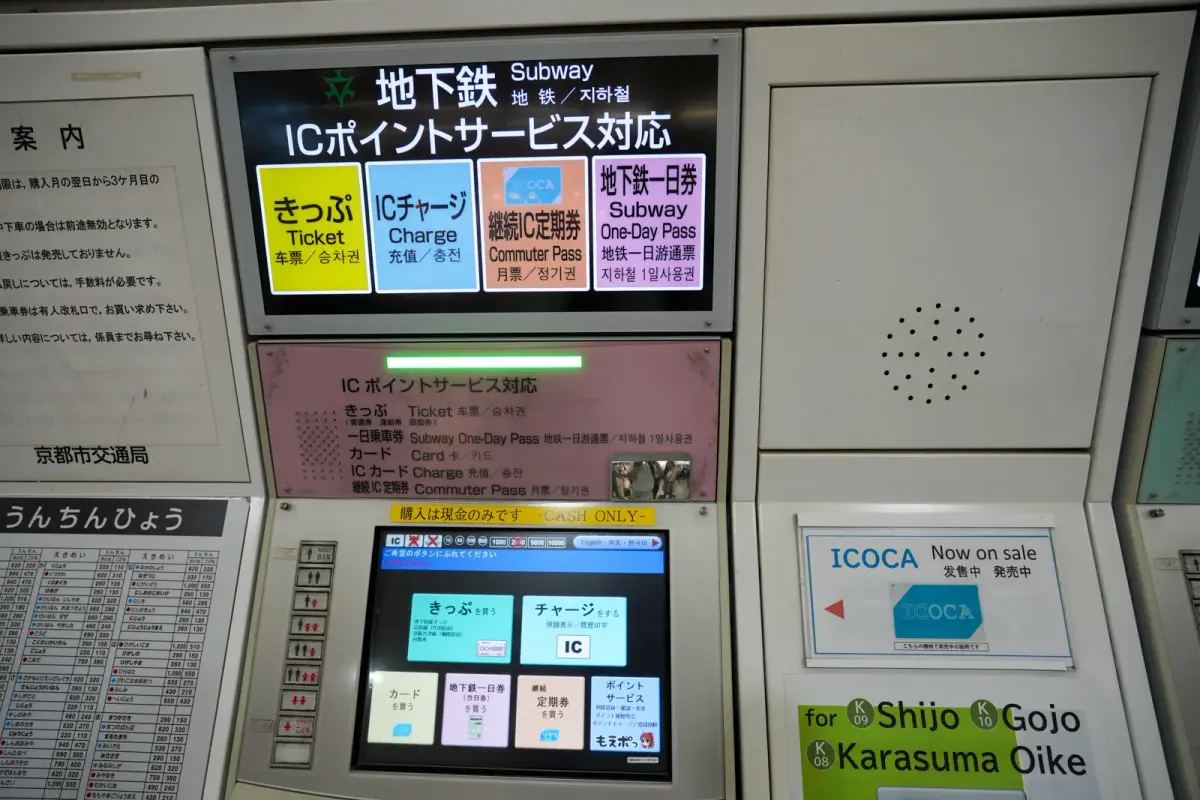
You can buy an ICOCA card from the ticket machines found in every subway station. Press the card button and put in ¥2,000 in cash. ¥500 of that is a deposit, and the card comes loaded with the other ¥1,500. The machine only sells one card at a time, so everyone in our group had to buy their own.
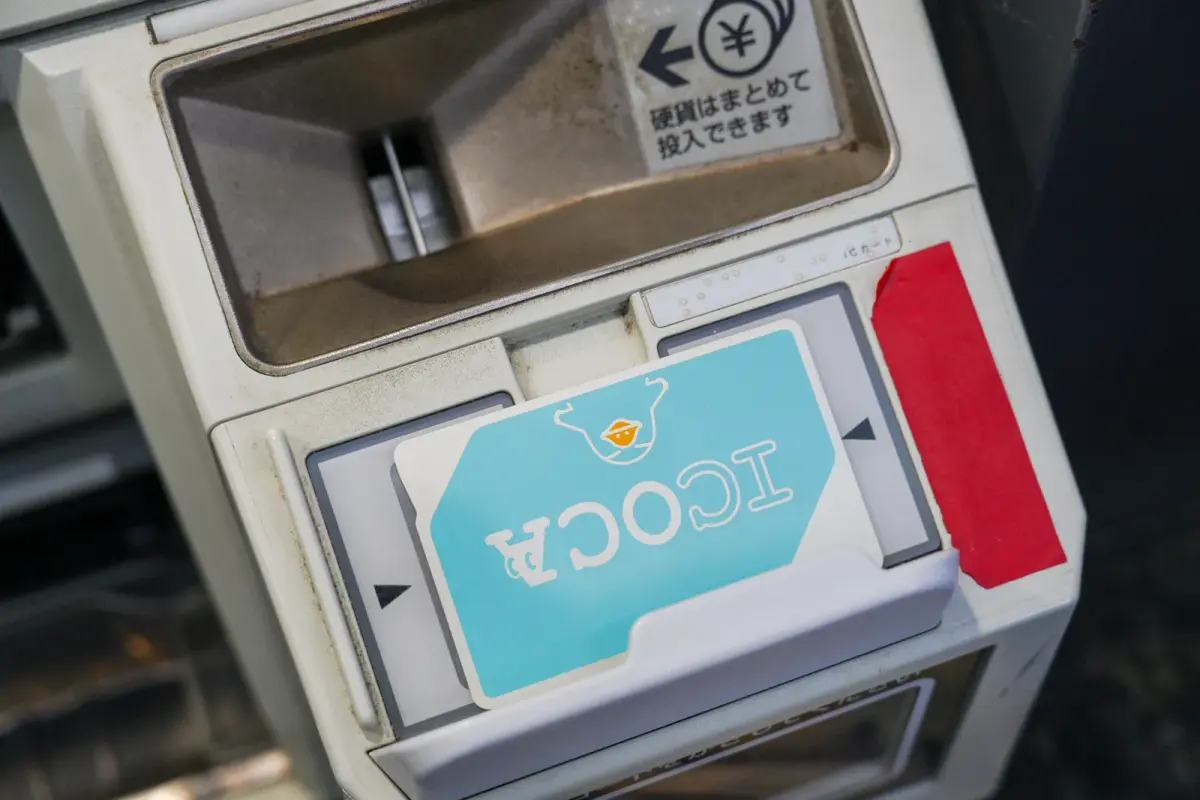
You top up at the same machines. Switch the screen to English, place the card on the reader, choose an amount and insert cash. It works like topping up any transit card. I added ¥1,000 when my balance was down to ¥220.
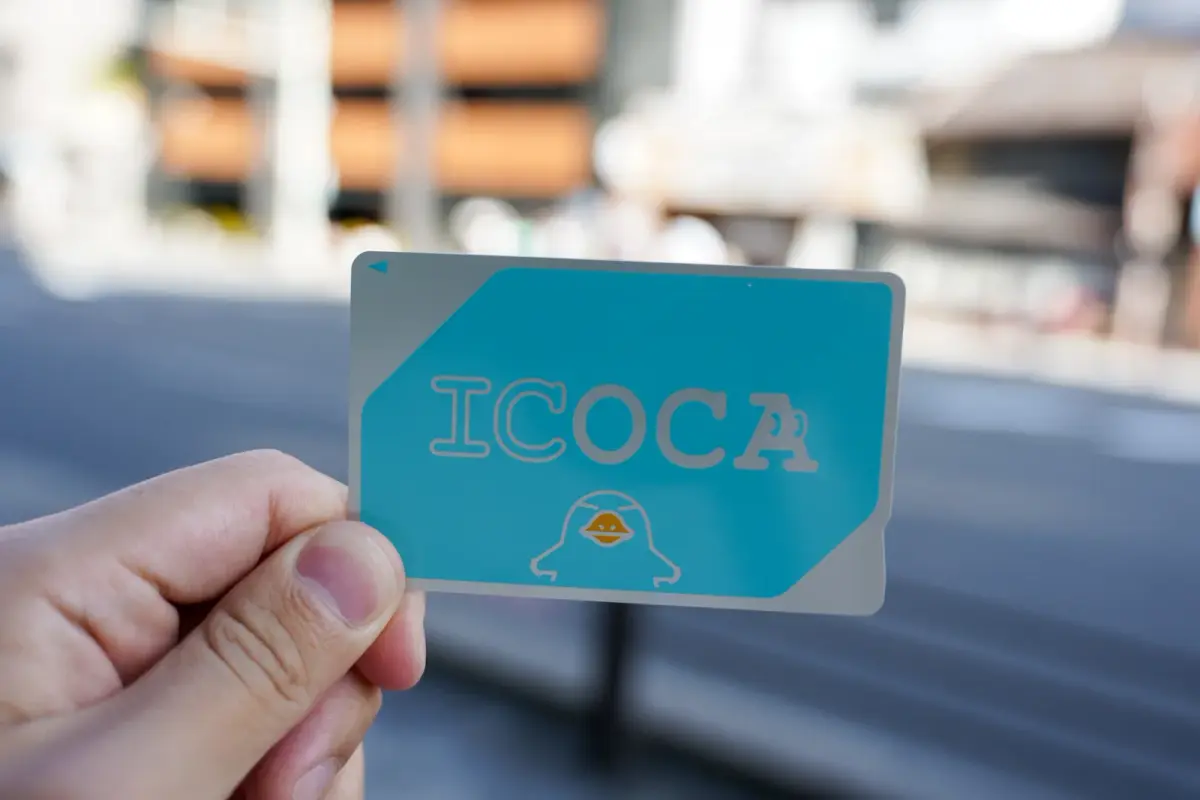
If you have an iPhone, you don't need a physical card. I'd added a transit card to Apple Pay on an earlier trip to Fukuoka and kept using it in Kyoto. Get your ICOCA sorted as soon as you arrive in Kyoto, before your first bus ride.
Riding the Kyoto subway
The Kyoto subway has plenty of signs and displays in English, so riding it was easy. But if you're mostly visiting sights, you'll end up on the bus far more often. The subway is always busy with locals and tourists. Pickpocketing isn't common in Kyoto, but keep an eye on your things when it's crowded.
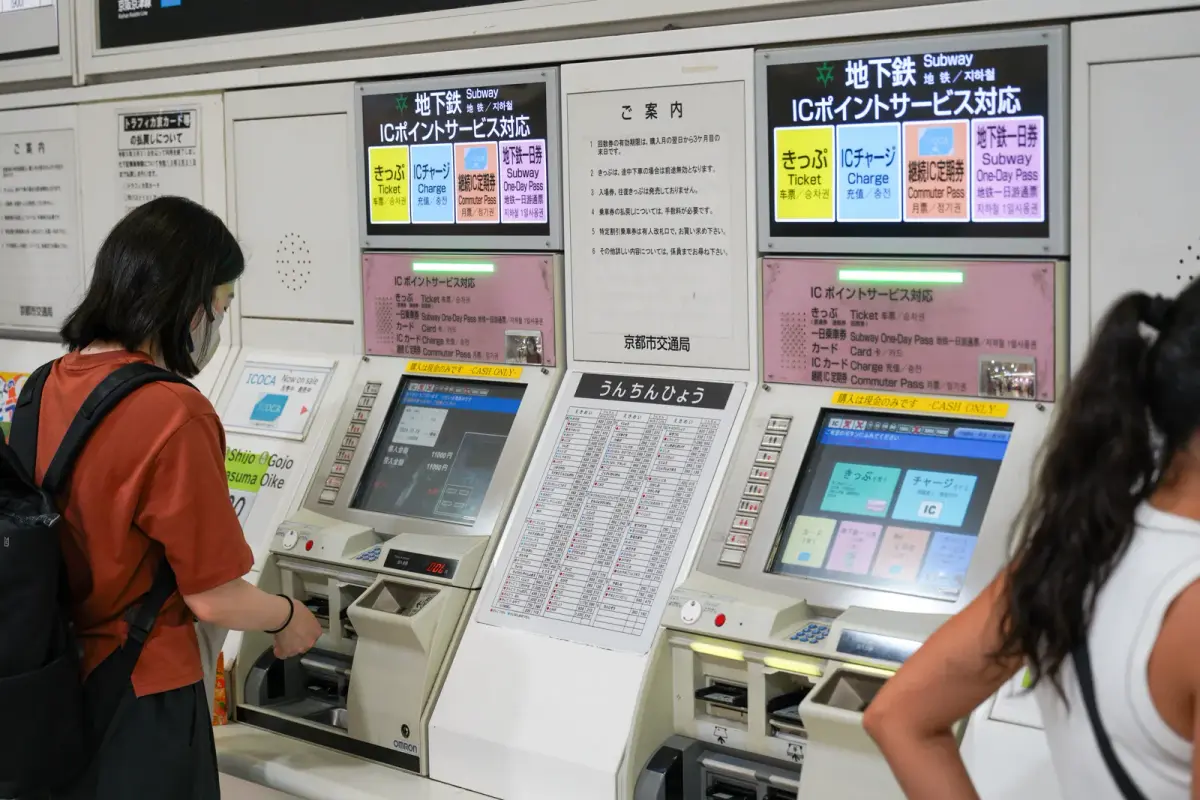
The easiest way to pick an exit is to use the number Google Maps gives you. It even tells you which part of the train is closest to that exit, so following it saved walking and time.
Riding Kyoto city buses
Kyoto buses board at the back and exit at the front. Osaka and Fukuoka work the same way, but unlike Fukuoka, in Kyoto you don't take a numbered ticket or tap a card when you get on. You do nothing until you get off, then hold your ICOCA or iPhone to the IC card reader at the front.
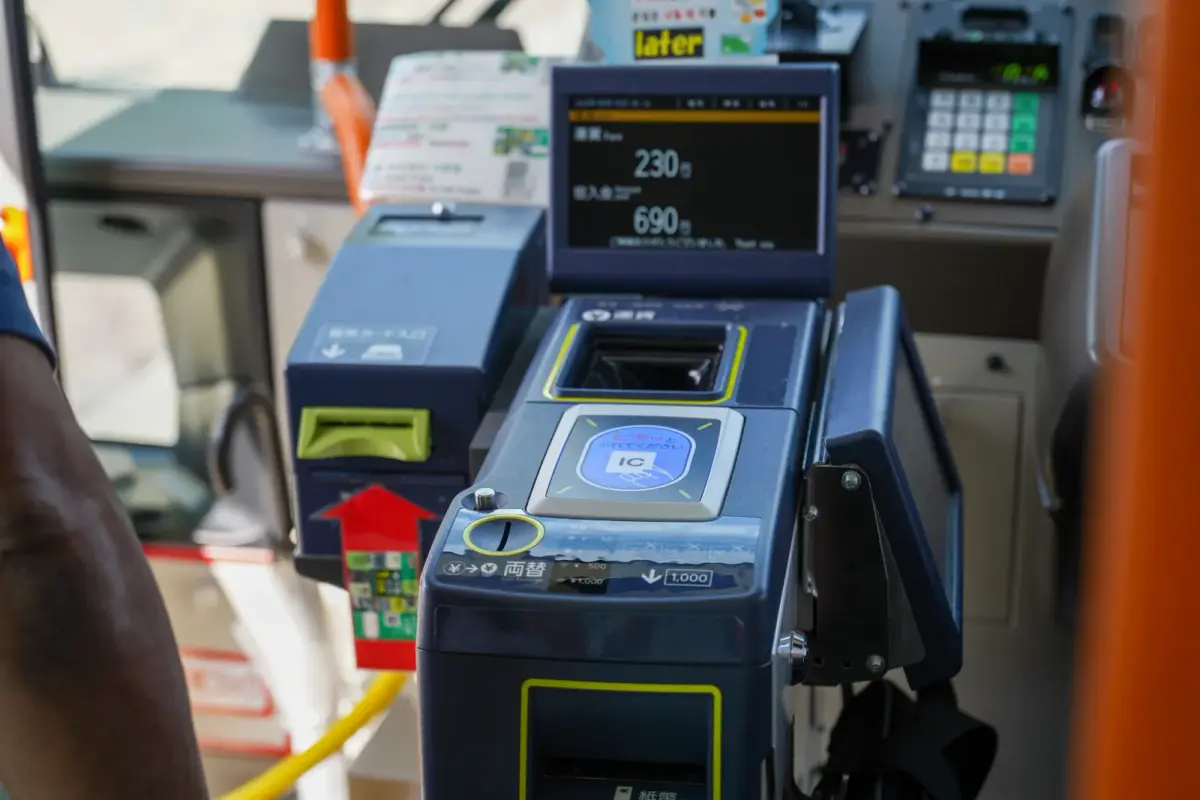
Paying cash is a hassle. The driver doesn't give change; you put a bill into the coin changer, get coins, then pay the fare. Watching for your stop somewhere unfamiliar while breaking a bill gets stressful, so a card was much easier.
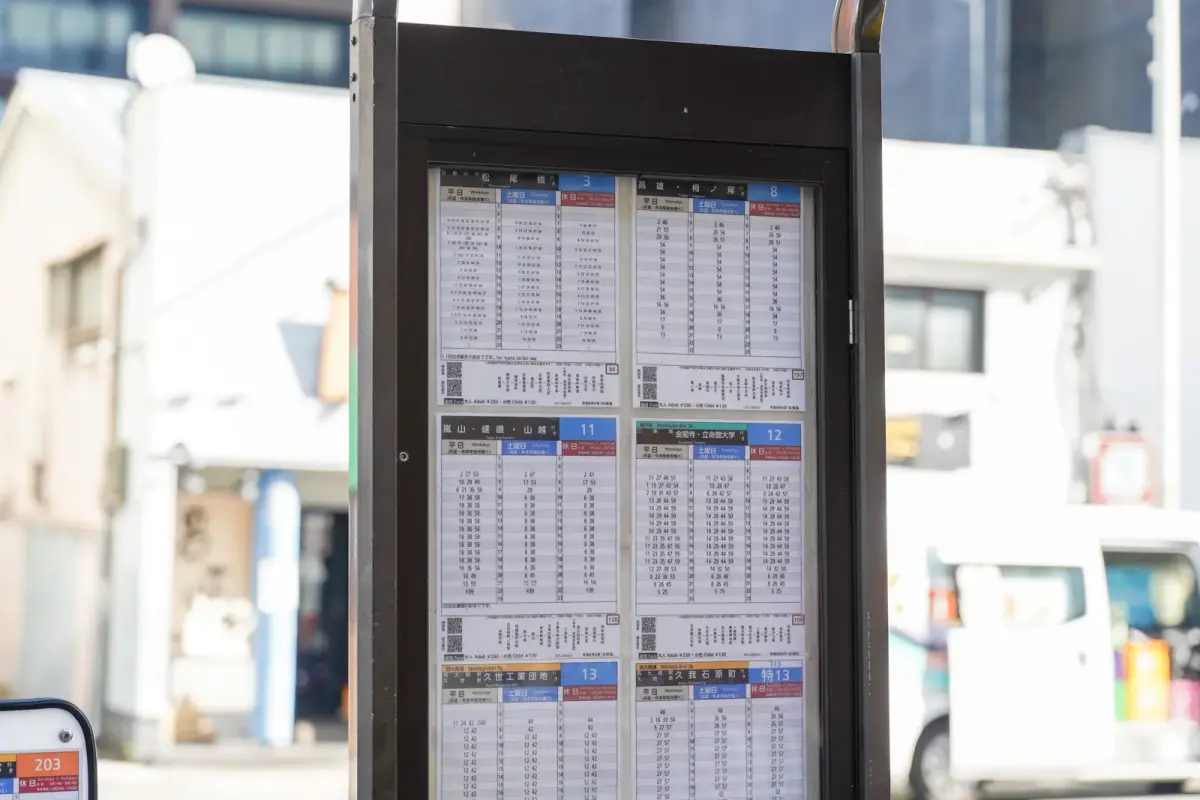
Every stop has timetables by route number, and buses mostly showed up on time. Some stops even show where the next bus is with cute little graphics. Routes packed with tourists, like those to Arashiyama and Fushimi Inari, were often so full there was nowhere to sit. Keep that in mind if you're carrying bags.
Kyoto Station to Namba in Osaka
When you're done in Kyoto and heading to Namba, take the JR Kyoto Line and change once to the subway at Shin-Osaka. I didn't buy a separate ticket and just used ICOCA. Kyoto Station to Namba cost about ¥820, so I topped up beforehand.
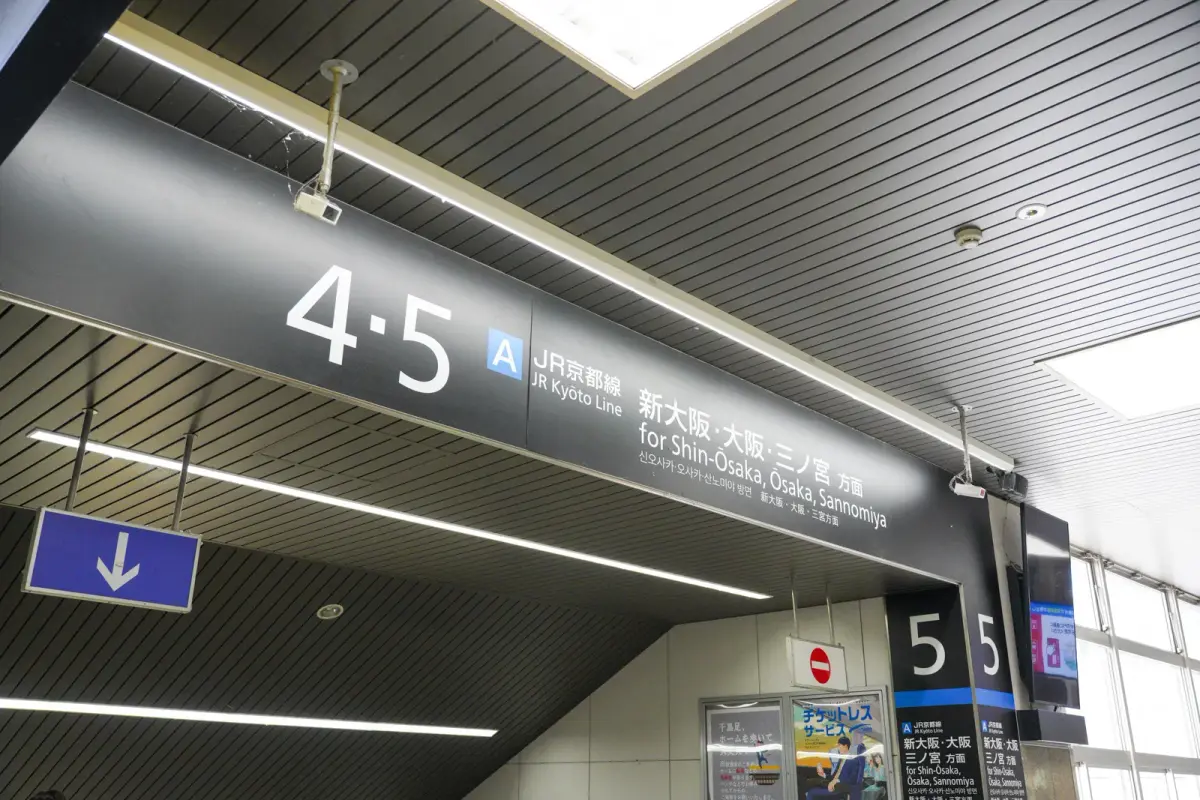
Tap your ICOCA through the gate at Kyoto Station and go to JR Kyoto Line platforms 4 and 5. The station is huge, but the walk to the platform isn't long.
Take the Special Rapid, not the Local. Special Rapid and local trains line up in different spots, so queue at the blue triangle markings on the floor.
Special Rapid trains come every 15 minutes, and Shin-Osaka is two stops away, about 23 minutes.
At Shin-Osaka, go up one floor, exit through the JR gates and walk 5 to 10 minutes to the Midosuji Line platform.
The Midosuji Line gets you to Namba in about 15 minutes.
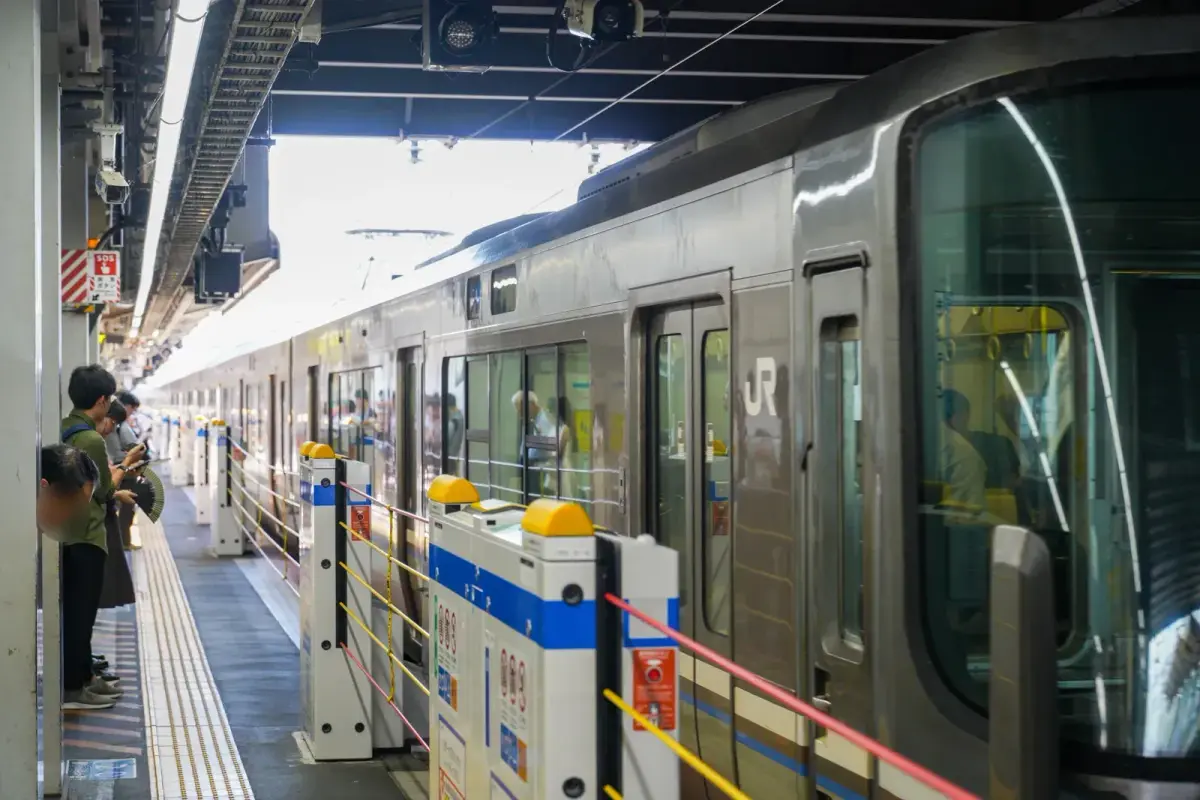
You could also get off at Osaka Station, the stop after Shin-Osaka, and change at Umeda, but it's crowded and confusing, so I changed at Shin-Osaka. The Special Rapid wasn't packed, but there was nowhere good to put suitcases, so our group sat apart. Allow a comfortable hour including the transfer. It was an easy route even with a suitcase.
With an ICOCA card and Google Maps, I never got lost in Kyoto, whether on the bus or the train. If you're heading straight to Kyoto from Kansai Airport, see the Haruka Express guide, and for getting from Namba back to the airport, see the Rapi:t booking guide.
FAQ
Do you take the subway or the bus more in Kyoto?
Where do you buy an ICOCA card and how much is it?
How do you get on and off a Kyoto city bus?
How do you get from Kyoto Station to Namba in Osaka?

Written by
Huiwon Kim (Check Kim)Founder, TripFlowy · Travel Creator
Travel creator on the road since 2007. Known as Check Kim (책킴) in Korea, boarded 64 flights in 2025 alone. 20+ trips to Japan, with personally tested spots across 50+ cities in 20+ countries in Asia, Europe and the Americas. Writes about theme parks, airport transit, observation decks, and day-trip routes from major cities.
Comments