
Dotonbori & Namba Food: 8 Places I've Actually Eaten
 Huiwon Kim (Check Kim)2026-10-279 min read
Every photo in this post was taken on site by Check Kim.
- Area
- Around the Glico sign · Namba Station · Sennichimae
- Best value
- Takekurabe okonomiyaki ¥780 · Kinryu Ramen ¥900
- Cash only
- Kasuya udon (bring cash for Kinryu Ramen too)
- Late night
- Kinryu Ramen 24 hours · Botejyu until 1 a.m.
Eight Dotonbori and Namba restaurants I've eaten at since 2024: okonomiyaki, ramen, udon, takoyaki, sushi, fishing izakaya and all-you-can-eat wagyu.
Dotonbori and Namba are where most people stay in Osaka, so the restaurants are packed in tight. But you're in the middle of the tourist zone, and prices and lines are all over the place. These are eight places I've eaten at on my Osaka trips between 2024 and 2026, sorted by what you're in the mood for. They range from Osaka staples like okonomiyaki and takoyaki to sushi, a fishing izakaya and all-you-can-eat wagyu, and they're all within walking distance of each other.
Okonomiyaki: Botejyu Honten and Takekurabe
Botejyu Honten Dotonbori: the full teppanyaki spread
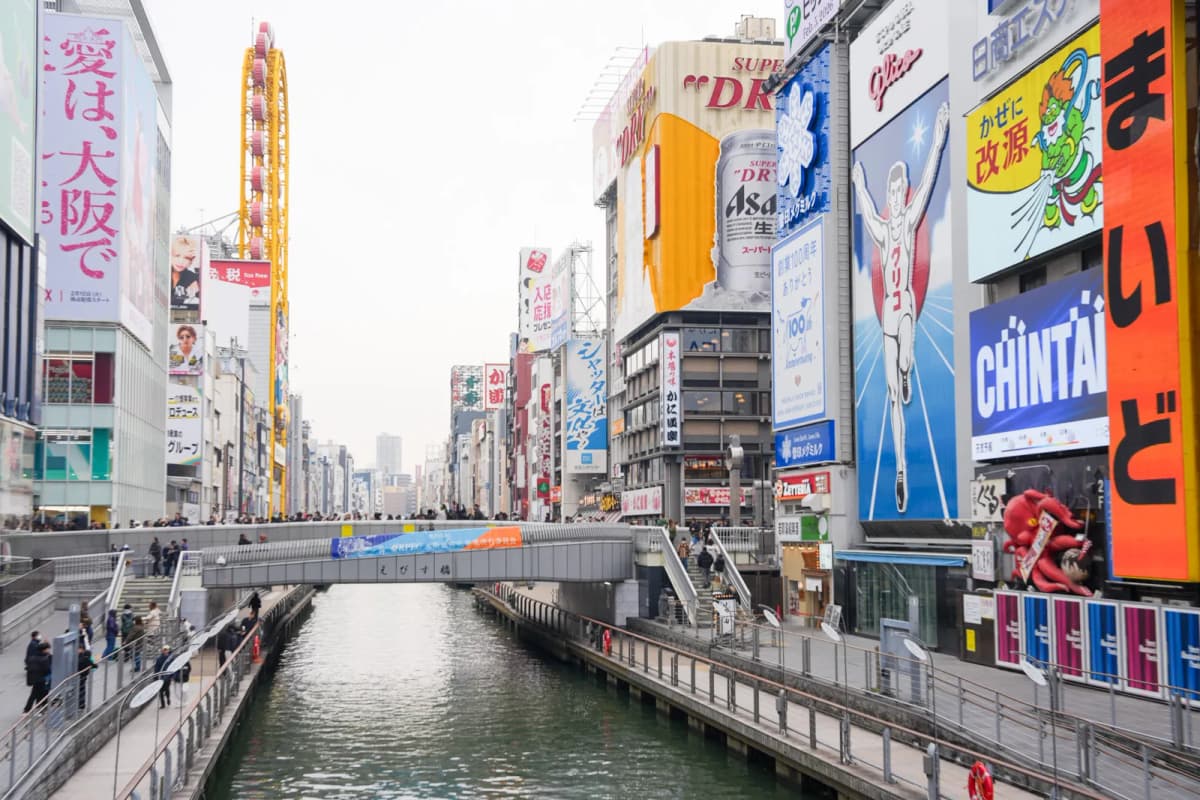
Botejyu Honten is on the second floor of the building right next to the Glico sign, and it's well known with locals and visitors alike. Don't mix it up with another place in Namba called Osaka Botejyu; check the name. It's open from 11 a.m. to 1 a.m. (last order at midnight), so it works for a late dinner too.
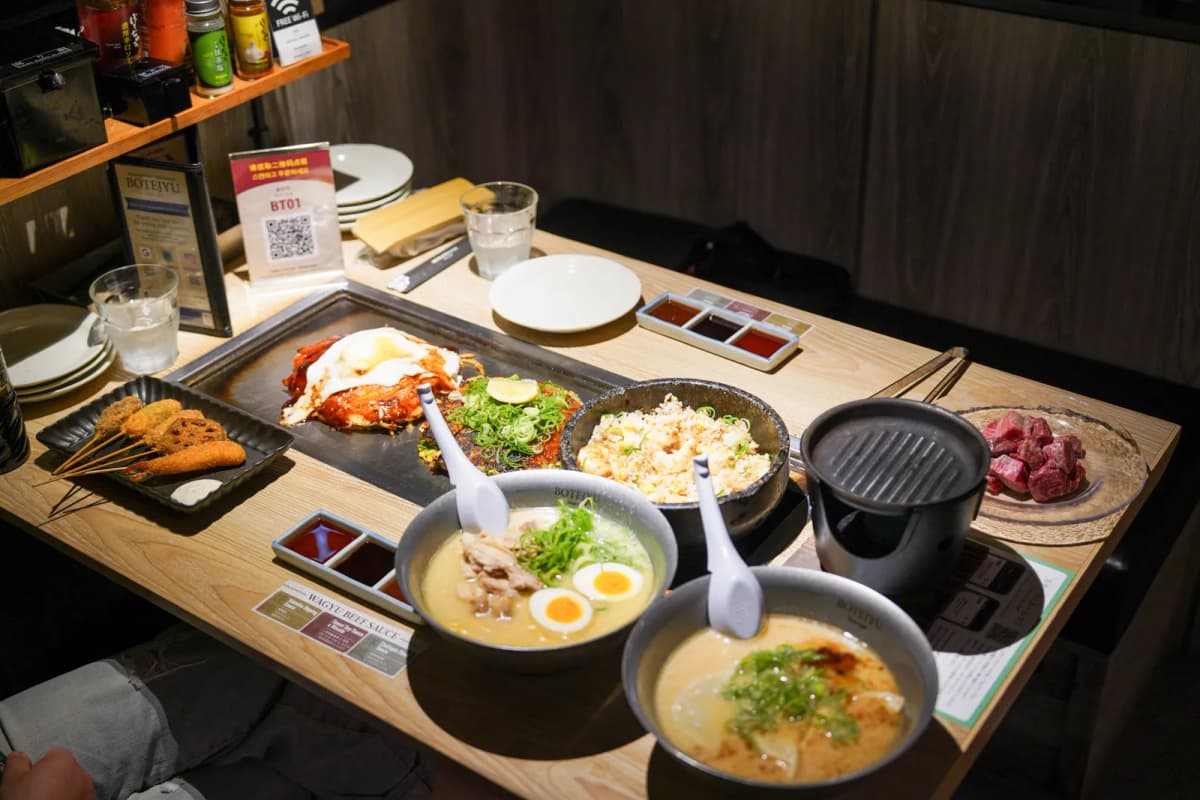
When I went at 6 p.m. in May 2025, there were two groups ahead of me. By the time we finished, more than ten were waiting. You order with the QR code on the table. The signature dish is modan-yaki, okonomiyaki with yakisoba folded in, and since I love green onions I also ordered negiyaki, which comes loaded with them. There was far more meat and vegetables than batter, so it tasted light.
The surprise, though, was the wagyu. You can get it as skewers or as a steak, and it was incredibly tender. The stone-pot shrimp fried rice and the whole cut of tuna sashimi were good too. It's a great place to go as a group and order a bit of everything. Get to Botejyu before 6 p.m. to avoid the worst of the line.
Takekurabe: ¥780 okonomiyaki the locals eat
For something lighter, try Takekurabe, just south of Namba Station between EDION and Namba Parks. More than half the customers were locals. On a weekday at 6:30 p.m. in January 2025 there were two groups ahead of me and I waited about 10 minutes. Okonomiyaki places usually turn tables slowly, but the food came out fairly fast here.
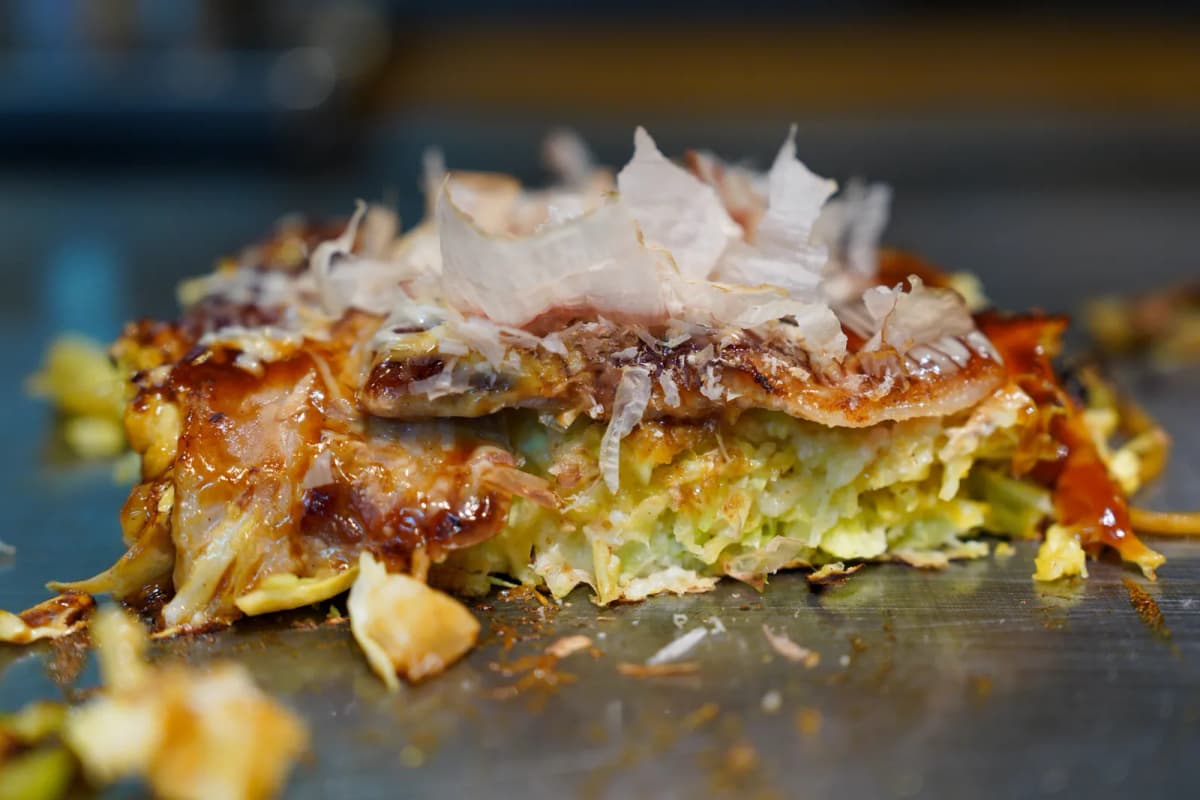
A basic pork okonomiyaki was ¥780 and basic yakisoba was ¥680. I'd once paid ¥1,600 for a single okonomiyaki at another Namba place I wandered into, so this is a real bargain. I went alone, ordered both plus a non-alcoholic beer, and paid ¥1,940.
The basic okonomiyaki was thick with plenty of pork, but the basic yakisoba didn't have much meat, so pick one with other toppings. They slide your food onto the griddle in front of the counter seats, and you add as much mayo and bonito flakes as you like. On weekdays there's a break from 3 to 5 p.m., and cards are accepted.
Ramen: Kinryu Ramen Dotonbori
Kinryu Ramen, famous for its crying dragon sign, has four shops in Osaka, and the Dotonbori branch is more popular than the original right next door. It's open 24 hours. There's always a line, but it moves quickly, so I never waited long.
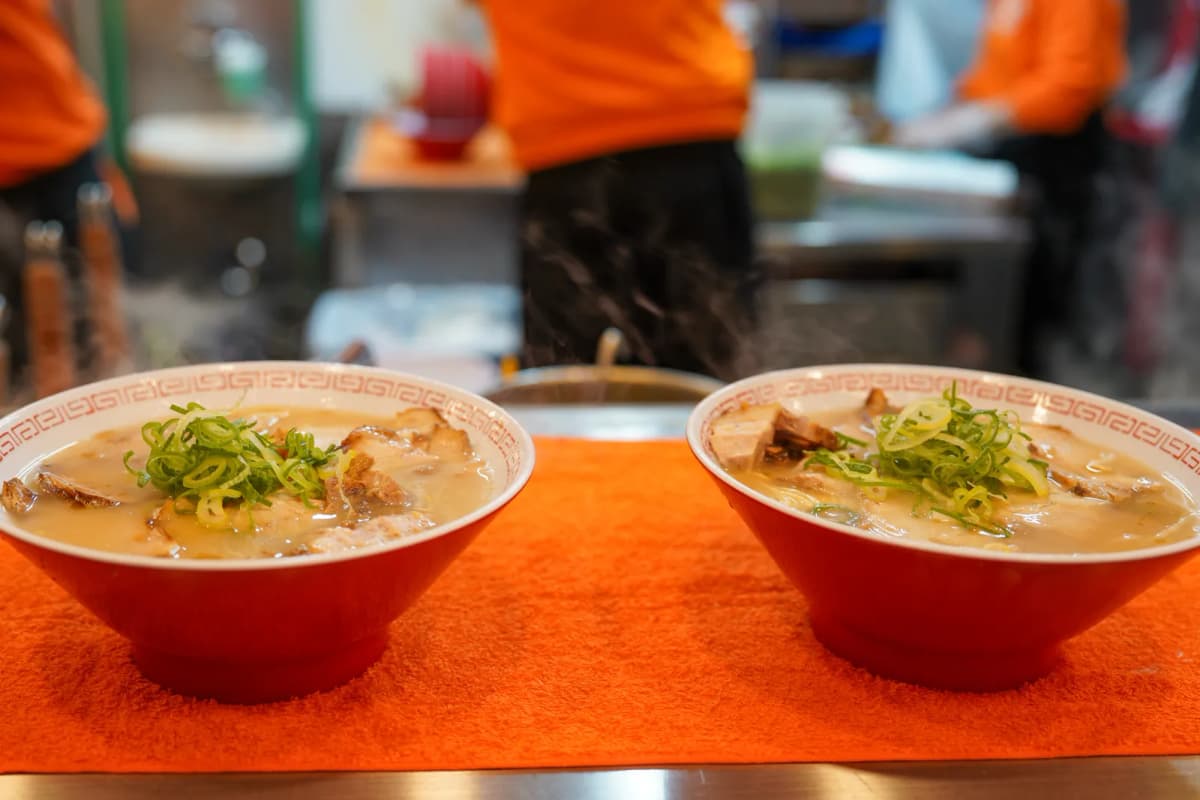
You buy a ticket from the machine before you sit down, and there are only two options: ¥900 or ¥1,200, depending on how much chashu you want. The machine says it takes cards, but mine wouldn't read no matter how many times I tried, so I paid cash in the end. You add your own minced garlic, chives and kimchi. I put in one big spoonful of garlic, and it was the right call.
The chashu is lean, more like boiled pork shoulder than the rich slices at Ichiran. I've had Ichiran and Ippudo too, and Kinryu actually suits me better. The ¥1,200 bowl comes with a lot of chashu, so if you're not a big eater, the ¥900 one is plenty.
Udon: Kasuya Hozenji
About a three-minute walk from the Glico sign, Kasuya Hozenji is an old-school shop known for kasu udon, topped with crispy-fried beef offal. One man runs the whole place, with about ten counter seats, so there's usually a wait, but I walked straight in at lunchtime in November 2024.
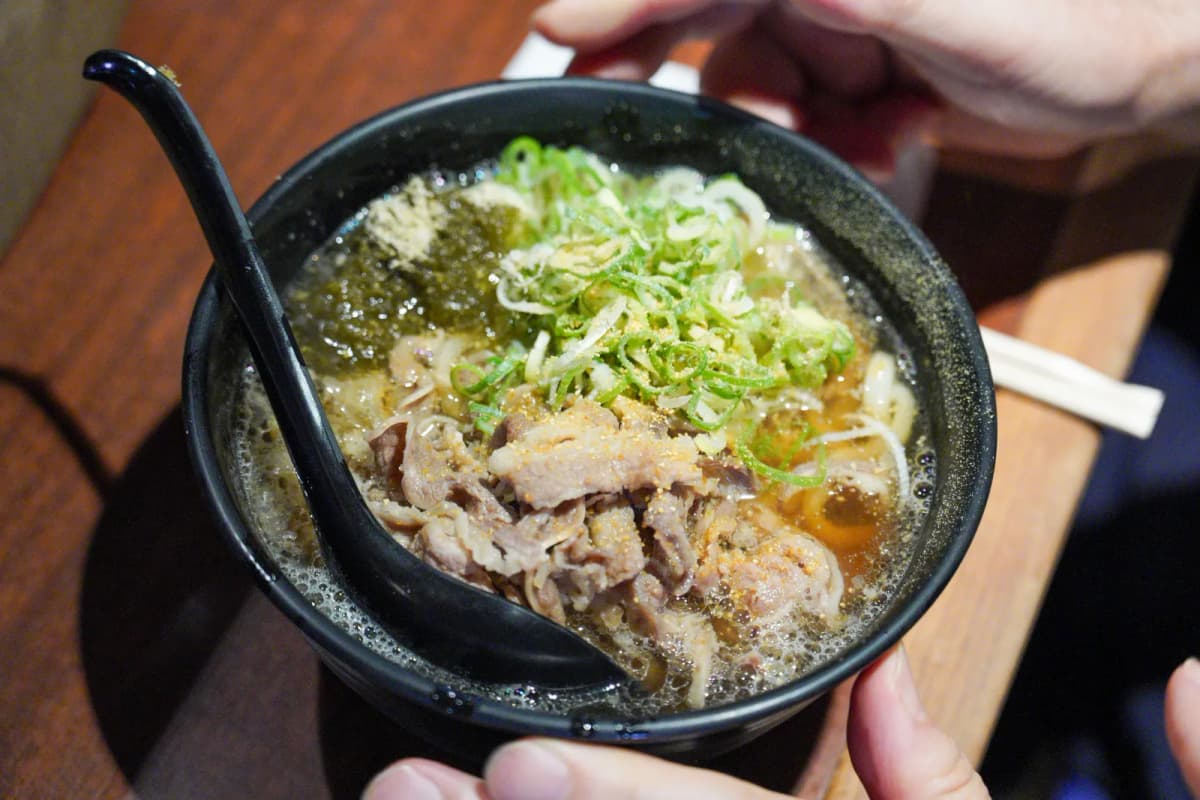
Most bowls are ¥1,000 to ¥1,200. The mixed udon with both beef and shrimp tempura is ¥1,700, pricier but big. The broth has a bit of that kasu oiliness, but it's rich rather than heavy, and it was genuinely delicious. Adding shrimp tempura isn't great value, so the beef udon alone is enough. It's cash only, so bring some.
Honestly, the weak point was cleanliness. You could call it old-shop character, but there was a lot of dust around, so if hygiene matters to you, I'd go elsewhere.
Takoyaki: Kukuru Dotonbori Minami
You should eat takoyaki at least once a day in Osaka, and Kukuru is the shop with the giant octopus sign. It's right outside Exit 14 of Namba Station, so it's easy to find. I lined up for about 15 minutes, but you get your order as soon as you pay, so the line moves fast.
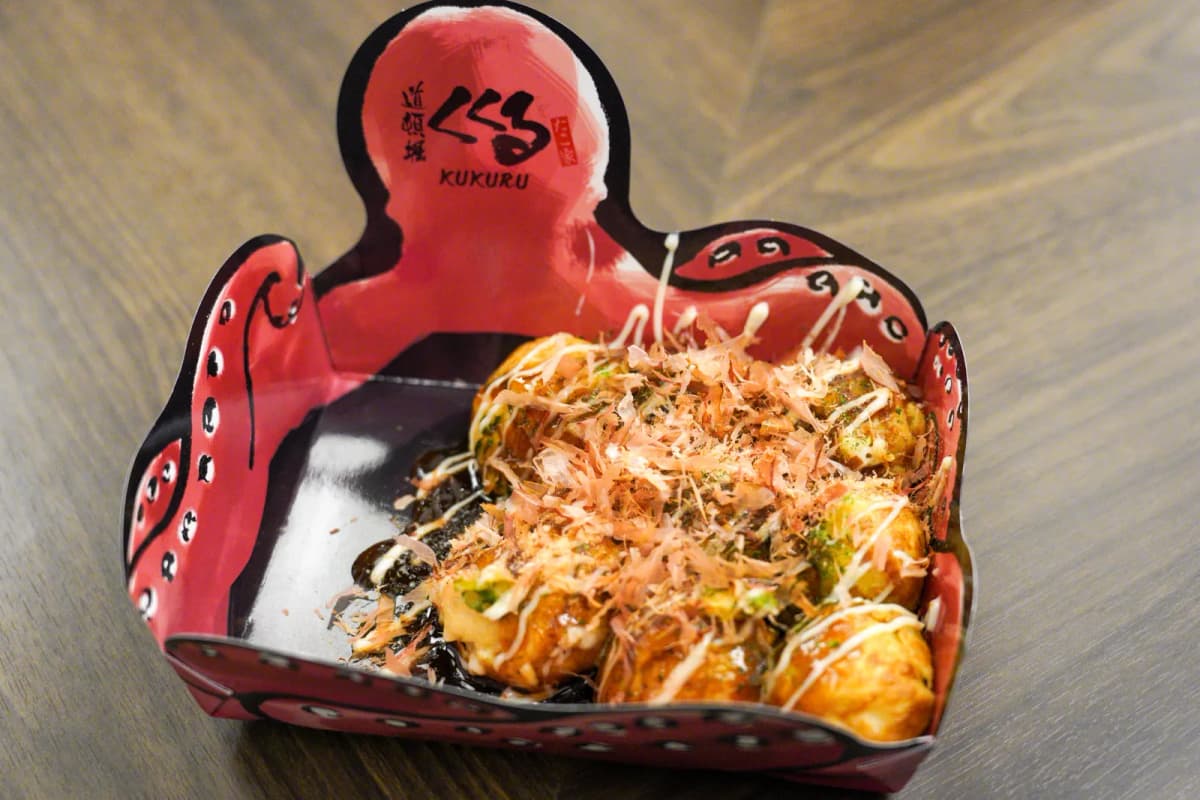
The signature big-octopus takoyaki is ¥1,040 for eight, almost double the ¥630 for ten I paid in Kyoto. It's tourist-area pricing, but the octopus pieces really are bigger, and I was happy with it. Eight was just right as a snack for two. There are 20 seats on the first floor and 40 on the second, so you can sit down instead of taking it to go. You buy tickets from a machine: with cash, insert the money first and then pick; with a card, pick first and then insert the card.
Sushi: Uoshin Minami
Of all the sushi I've had on my many trips to Japan, Uoshin Minami in Sennichimae impressed me the most. You can reserve on Google Maps. In September 2024 we showed up on a weekend evening an hour before our booking and still got a table right away.
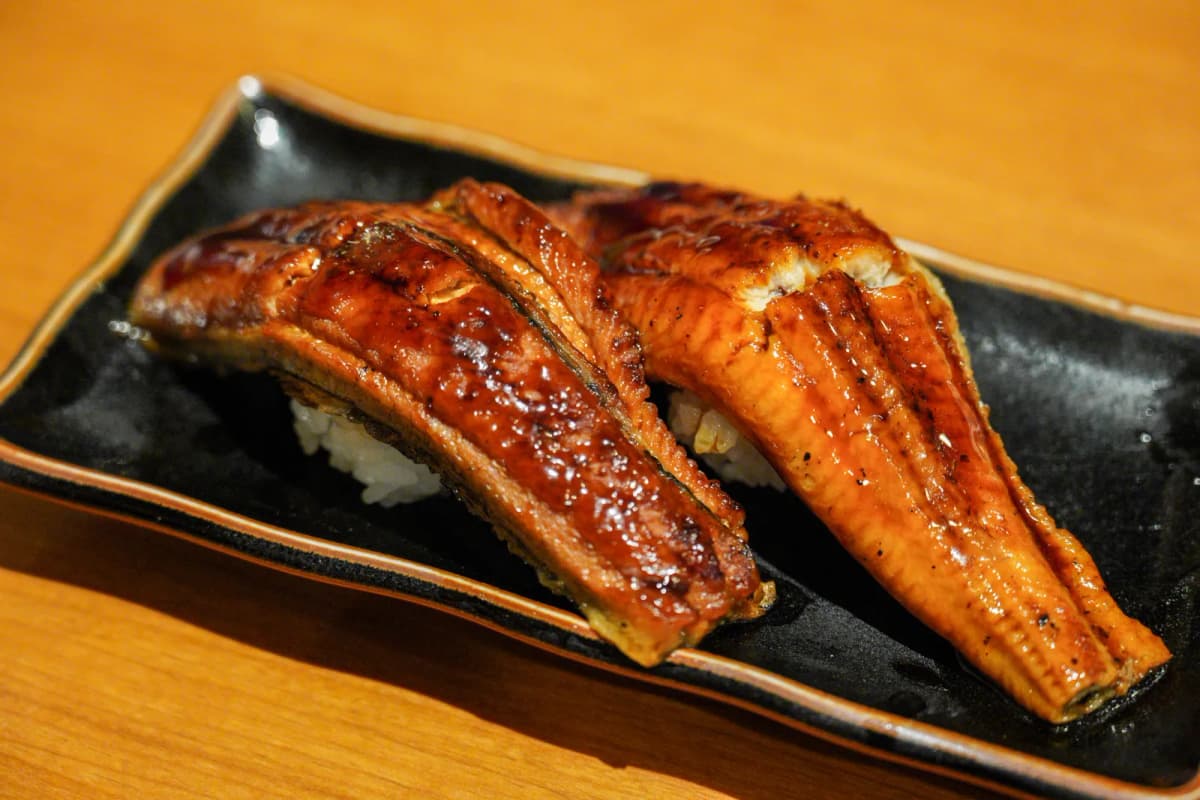
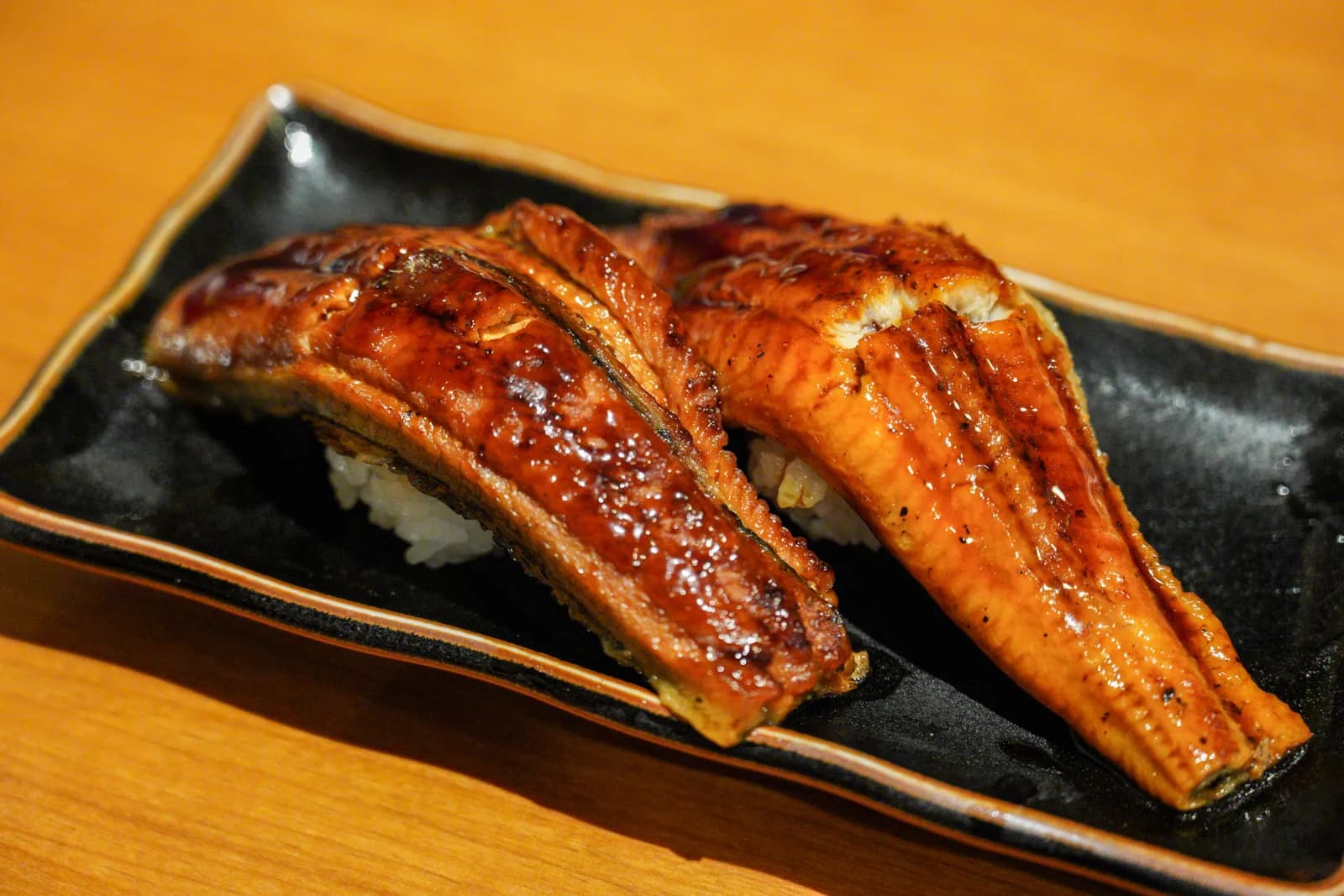
On the menu, ¥1,100 for a plate of eel looks expensive, but each piece of eel was about two-thirds the length of my hand, which felt cheap compared with an eel rice bowl. The shrimp was the biggest I've ever seen on sushi, and fatty tuna was ¥1,300 for two pieces, cheaper than elsewhere. They cut the white fish so a single piece is easy to share, and the tamago (egg) nigiri was cheap and really good.
A plate usually has two big pieces, so two or three plates per person fills you up. Four of us ate until we were stuffed for ¥8,800, about ¥2,200 ($15) each. You order by QR code and the menu shows up translated, but the translated names on the screen don't always match the printed menu, so go by price.
Something different: Zauo Namba Honten
At Zauo Namba Honten, you catch your own fish from the tanks inside the restaurant and they cook it on the spot. It's a three-minute walk from Kintetsu-Nippombashi Station, in the basement of the Sotetsu hotel, just one crosswalk from Dotonbori. You can sit in a big boat-shaped seating area or at tables by the water, and you can fish from either.
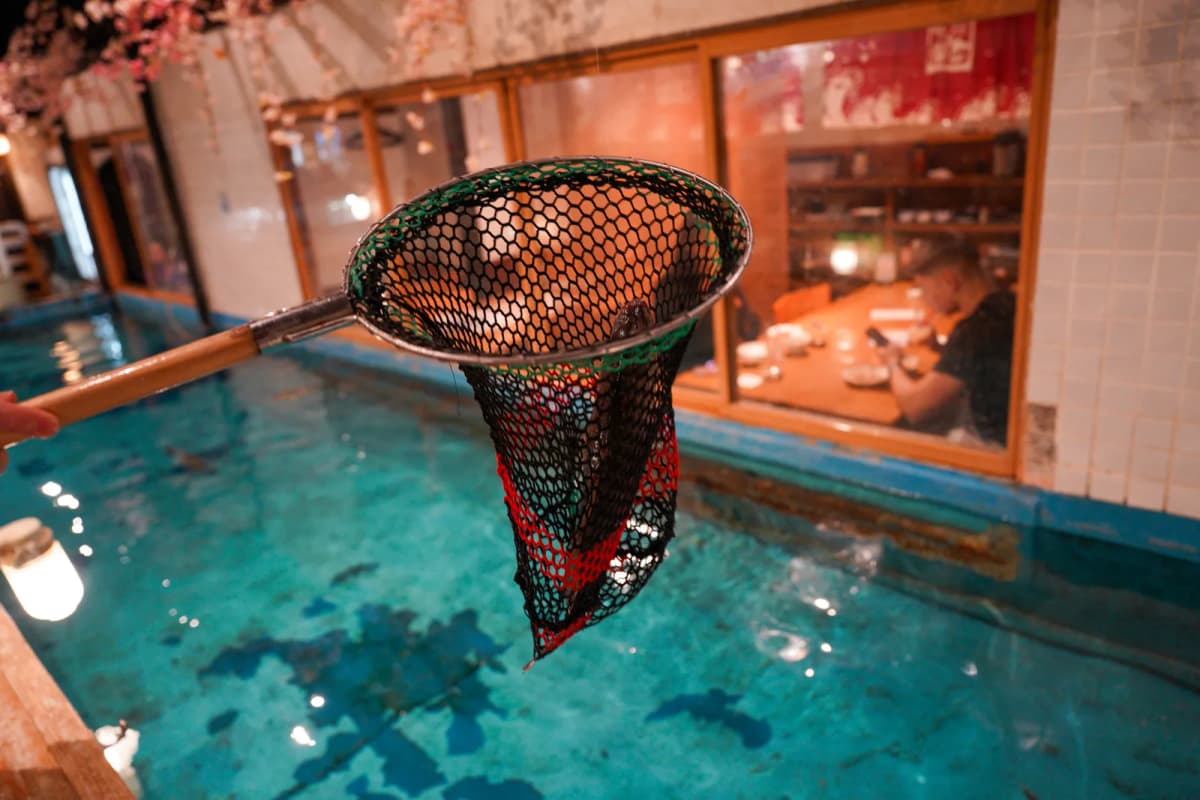
Rods are ¥300 to rent, bait is free, and a fish you catch yourself costs ¥1,000 less than ordering it. They'll make it into sashimi, sushi, simmered fish or tempura, or split it half and half, though anything other than sashimi has a cooking fee. The table charge was ¥418 per adult.
Fish bite almost as soon as you drop the bait, but actually hooking one is harder than it looks. I went through two cups of bait before I landed a sea bream. When you catch one, the staff call out your name and bang a drum, and the tables around you cheer along, which is why there are so many families with kids. I had half my sea bream as sashimi and half simmered, and eating a fish I'd just caught was a real novelty. You can't release a fish once it's caught, so keep your first order small to leave room for what you reel in.
All-you-can-eat yakiniku: Sakon Dotonbori
Last up is Yakiniku Sakon, an all-you-can-eat black wagyu place I went to in May 2026. It's on the second floor of a building two minutes' walk from the Glico sign and five from Namba Station, open 11 a.m. to midnight. The festival-themed dining room was clean, and we got a table right away without a reservation.
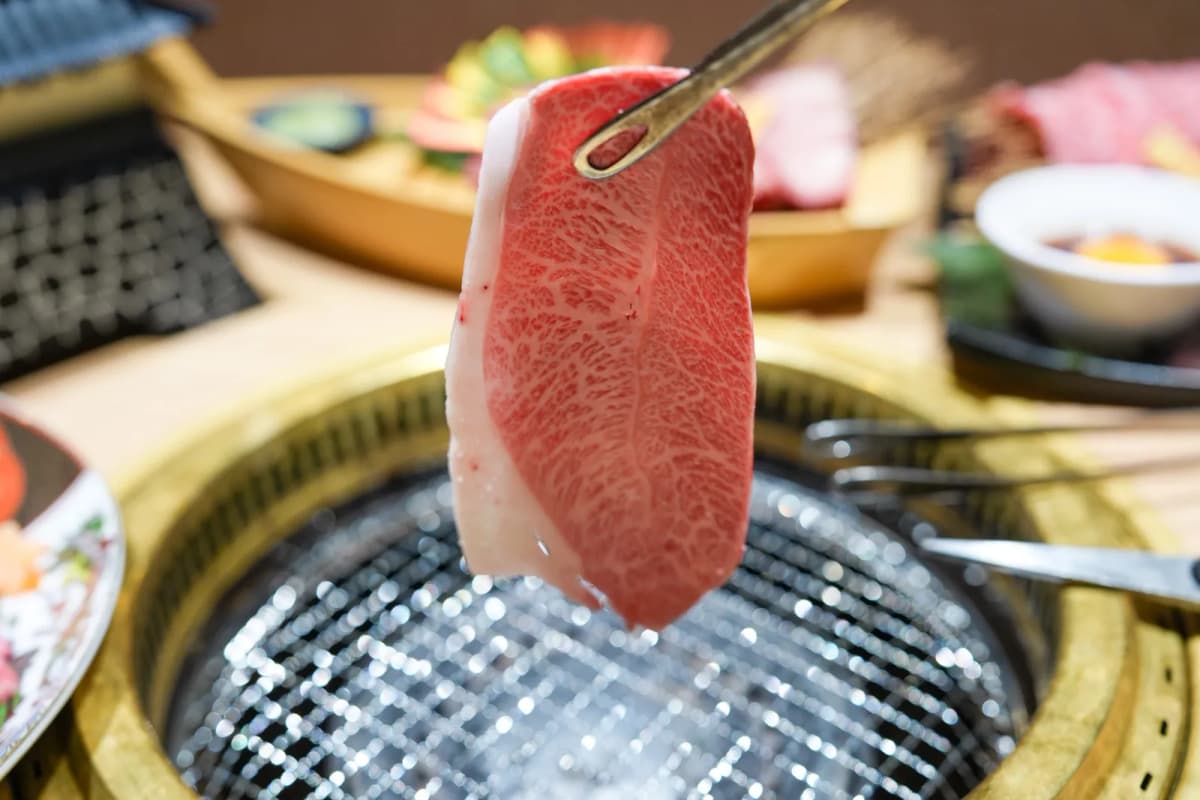
The most popular course, all-you-can-eat Japanese black wagyu, was ¥5,720 per person for ages 13 and up. Unlimited drinks were ¥500 without alcohol, ¥700 including non-alcoholic beer, or ¥1,800 for 90 minutes and ¥2,200 for 120 minutes with alcohol. You pick the wagyu cuts by looking at the real thing, and the pork, chicken, vegetables, fried food, udon and desserts come from a self-serve bar, so it was much faster than places where you order everything on a tablet.
Wagyu with this much marbling would easily cost twice as much at a regular yakiniku restaurant, so getting unlimited servings for under $40 was the biggest draw. The thin slices cook in 30 seconds, so I flipped them only once, and I finished by making my own white peach ice cream.
If you only have one meal in Dotonbori, go to Botejyu or Sakon for dinner, Takekurabe or Kinryu Ramen for something quick, and Kukuru for a snack. That combination worked best for me. To keep the evening going after dinner, the river cruise in my Osaka Amazing Pass guide boards in front of Don Quijote Dotonbori, and if it's your first time in Osaka, my 2-night, 3-day Osaka itinerary shows how to fit Dotonbori into the rest of the trip.
FAQ
Where should I eat okonomiyaki in Dotonbori?
When should I go to avoid lines in Dotonbori?
Which Dotonbori restaurants are cash only?
How much is all-you-can-eat yakiniku in Osaka?

Written by
Huiwon Kim (Check Kim)Founder, TripFlowy · Travel Creator
Travel creator covering Asia since 2007. Known as Check Kim (책킴) in Korea, boarded 64 flights in 2025 alone. 20+ trips to Japan, with personally tested spots across 50+ cities in 15+ Asian countries. Writes about theme parks, airport transit, observation decks, and day-trip routes from major cities.
Comments