
Osaka Amazing Pass — 1-Day vs 2-Day, Top Spots, and Klook Booking Guide
Osaka Amazing Pass — ¥3,500 for one day, ¥5,000 for two. The Klook booking flow, the QR-tap-in routine for subways and attractions, and the spots that actually pay the pass off — written from multiple Osaka trips by Check Kim.
Osaka Amazing Pass — One or Two Days of Free Entry and City Subway
If your Osaka trip has a few paid attractions stacked into the same day or two — somewhere like Osaka Castle Tenshukaku, the Gozabune boat ride, the Dotonbori river cruise, the Tsutenkaku tower, or the Umeda Sky Building observation deck — the Osaka Amazing Pass is one of the cleanest ways to skip individually buying tickets and just walk in. The combined entry fees alone usually clear the cost of the pass within a single day, and on top of that the pass covers the Osaka Metro subway and city buses, which adds up faster than people expect once you start hopping between Namba, Umeda, and Osaka Castle.
I've used both the 1-day and the 2-day across multiple Osaka trips, and the conclusion holds up: a tight one-day stay → 1-day pass; a normal two-day stay → 2-day pass. This guide is the version I wish I'd had on my first trip — what to buy, how the QR works in practice, and the specific spots where the math actually breaks even.
Quick Facts
- Editions: 1-day / 2-day — the 1-day covers the calendar day you start it; the 2-day covers that day + the next (consecutive 2 days)
- Face price: ¥3,500 for 1-day / ¥5,000 for 2-day (cheaper if prepaid on Klook)
- Day count: Not 24h or 48h — it's the calendar day, so plan to start in the morning to squeeze the value
- Coverage: Osaka Castle Tenshukaku, Gozabune boat, Dotonbori River Cruise, Tsutenkaku, Umeda Sky Building, Tennoji Zoo, Wonder Cruise, and around 40 attractions, plus the Osaka Metro subway and city buses
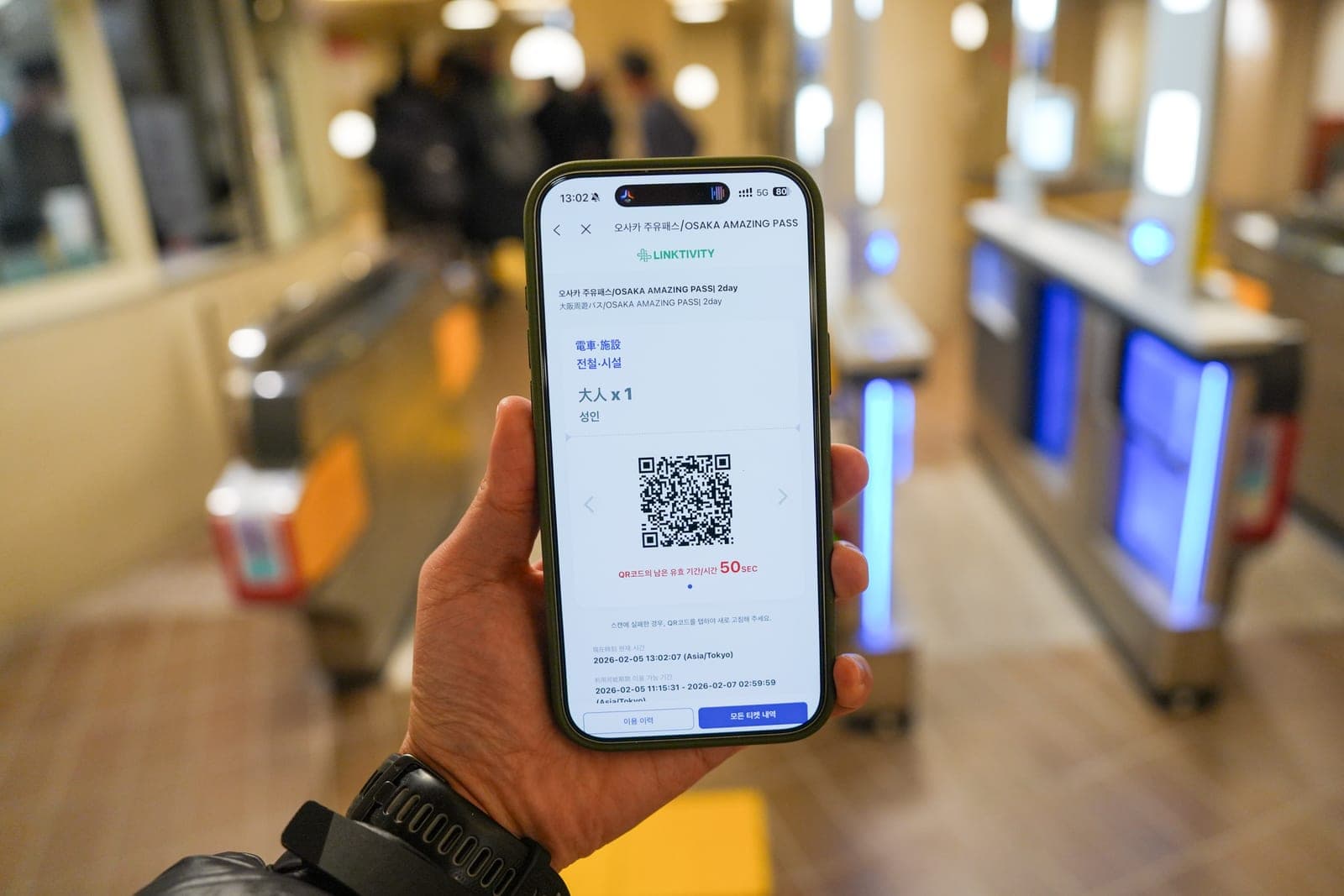
- How it works: Open the QR in your Klook voucher and scan it at the attraction kiosk or the QR-marked subway gate
- Sharing: One smartphone can carry the QR for the whole group — staff just scan it once per traveler
- Reference: Osaka Amazing Pass official site (English) lists every covered venue
1-Day vs. 2-Day — Which One Pays Off
The trickiest thing for first-timers is that the day count is by calendar day, not by the hour. If you activate a 1-day pass at 2 PM, it expires at midnight — not 2 PM the next day. The 2-day works the same way: activate it on Day 1 evening and it's still gone at midnight on Day 2. Practically, that means you need to start in the morning to get the math to work.
- 1-day: good for an Osaka day-trip out of Kyoto, or a single dense day on a one-night stay
- 2-day: good for a two-night-plus trip where you can split the city across Umeda / Namba / Osaka Castle / Shinsekai over two days
I default to the 2-day these days. Two 1-day passes cost more than one 2-day, and packing five-plus paid attractions plus six subway rides into a single day is technically possible but exhausting — splitting the load across two days gives a much higher actual satisfaction. The break-even math is friendly either way: Tenshukaku (¥1,200) + Gozabune (¥1,500–1,800) + Dotonbori River Cruise (¥2,000) + four or five subway rides already clears the 1-day face price in one afternoon. Add Tsutenkaku and Umeda Sky Building on top of that and the 2-day is clearly the move.
How to Buy It and How to Use It
I always prepay on Klook before I fly out. You can also buy it at counters inside Osaka, but those run at face price; Klook combines the foreign-exchange edge with an advance-purchase discount and consistently lands cheaper. The voucher is QR-only too — there's no paper pass to exchange on arrival, no counter line eating into your first day. After landing, you just open the voucher when you reach your first attraction or subway gate.
The flow is short:
- Pay on Klook → voucher issued
- The clock doesn't start at purchase — it starts when you tap "Start Using"
- At an attraction, open the QR on your phone
- Attractions: hold the screen up to the camera-style QR scanner, then show the result to staff
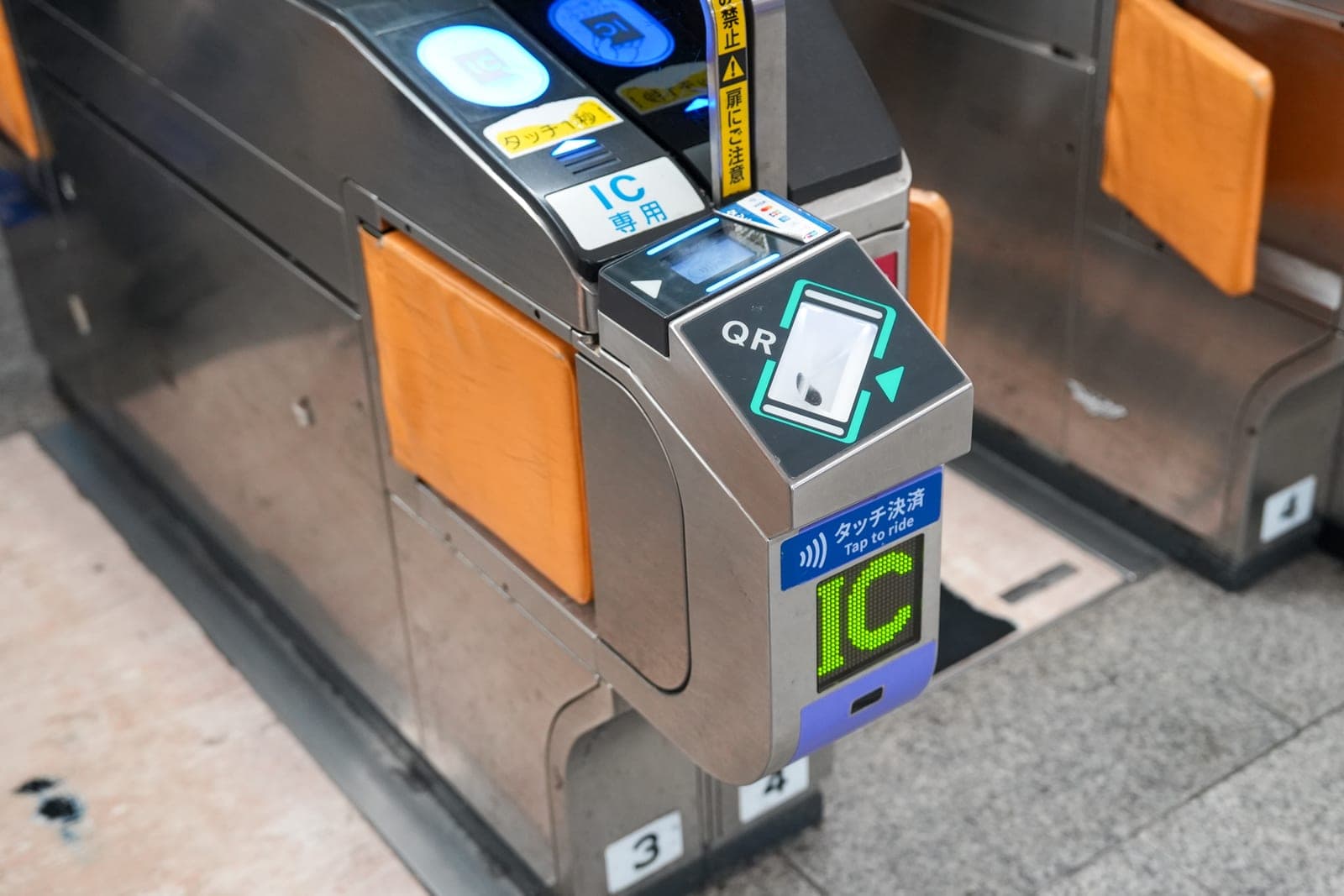
- Subway: tap the QR on the gate-mounted scanner and walk through
Two practical things worth knowing:
- One phone can carry the entire group's QR codes. A family of four can pass the same phone through the gate four times — kids who don't carry phones are no problem.
- Buying in advance doesn't burn time off the pass. You can pay the day you book your trip; the day count only starts the moment you hit "Start Using" and scan your first QR.
The Osaka subway has both regular IC-card gates (ICOCA, Suica) and dedicated QR-pass gates. Look for the gate marked with a QR icon — wrong gate just throws an error and the staff guides you to the right one. After your first scan it becomes muscle memory.
Book the Osaka Amazing Pass on KlookOne catch worth flagging: Osaka has the city Metro plus separate JR lines and private rails (Hankyu, Keihan, Nankai, and others). The pass covers the city Metro and city buses but not JR or the private rails, so when you route in Google Maps, prefer the Osaka Metro options even if they're a slightly longer route — those are the rides that are actually free.
Where the Math Actually Pays Off
The official list runs to about 40 venues, but you don't need to hit them all. Across multiple trips I keep coming back to the same five — Tenshukaku / Gozabune / Dotonbori River Cruise / Tsutenkaku / Umeda Sky Building — because they cluster naturally into one or two days and clear the pass price quickly.
Osaka Castle Tenshukaku
The grounds outside the castle are free, but the keep itself is ¥1,200, and that single ticket already pays back a meaningful chunk of the 1-day pass. The castle was first built in 1583 by Toyotomi Hideyoshi, then lost repeatedly to fire and war; the version standing today is the 1931 reconstruction.
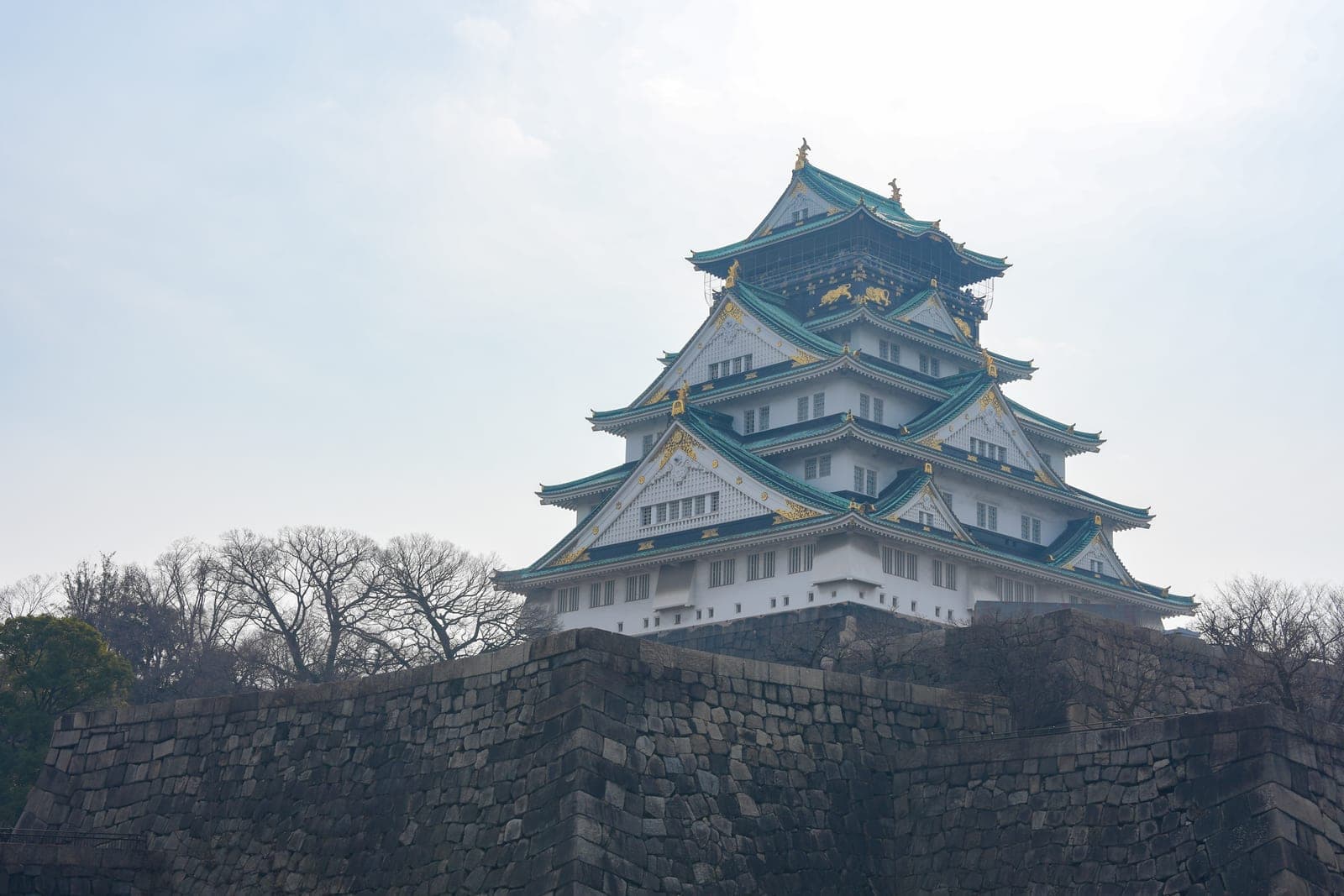
The walk-up ticket line can stretch 30 minutes on a busy afternoon. The pass-holders' line is essentially empty — you scan the QR and walk in, which on a hot afternoon alone justifies the pass.
Inside, the castle has eight floors. Floors 1–5 have an elevator; the rest is stairs. If anyone in your group has trouble with stairs, tell the floor-1 staff and they'll route you to a separate elevator that goes all the way to floor 8. Photography isn't allowed on floors 3 and 4, and floor 7 has a well-laid-out exhibit on Hideyoshi's life that's worth a slow walk.
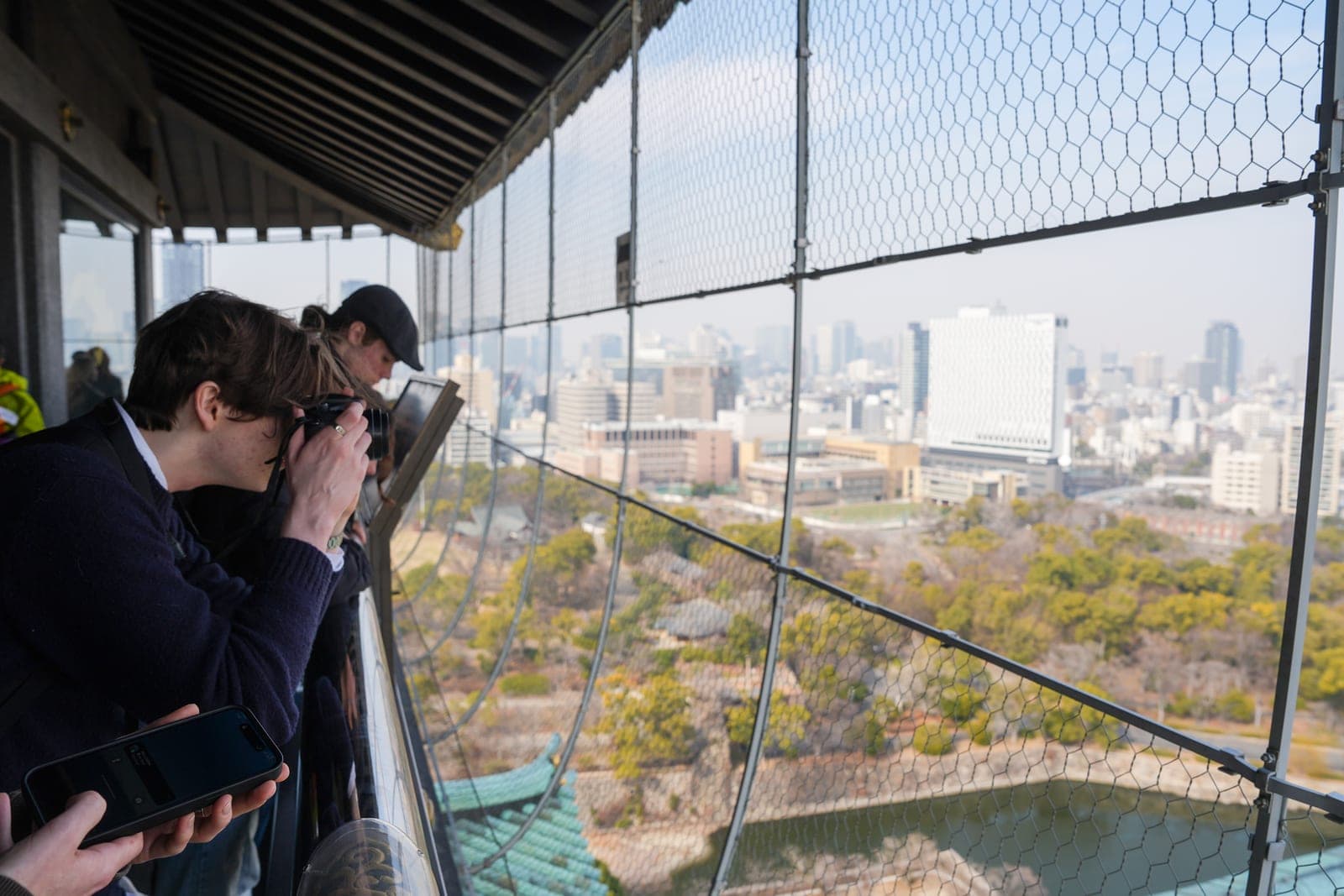
The 8th-floor observation deck is the actual reason to climb. It looks over north Osaka — a different perspective than the high-rise observatories like Umeda Sky Building or Harukas 300, more like "the view from a castle wall" than a modern skyline shot. The roof ornaments, the shachihoko, look like carp at first glance but are mythical creatures with a tiger's head and a spined fish body.
Gozabune Boat Ride
A second look at the castle, this time from the moat. Regular tickets run ¥1,500–1,800 — pricey on its own, but free with the pass, and stacking it onto Tenshukaku means you've already pulled around ¥3,000 of value out of one castle visit.
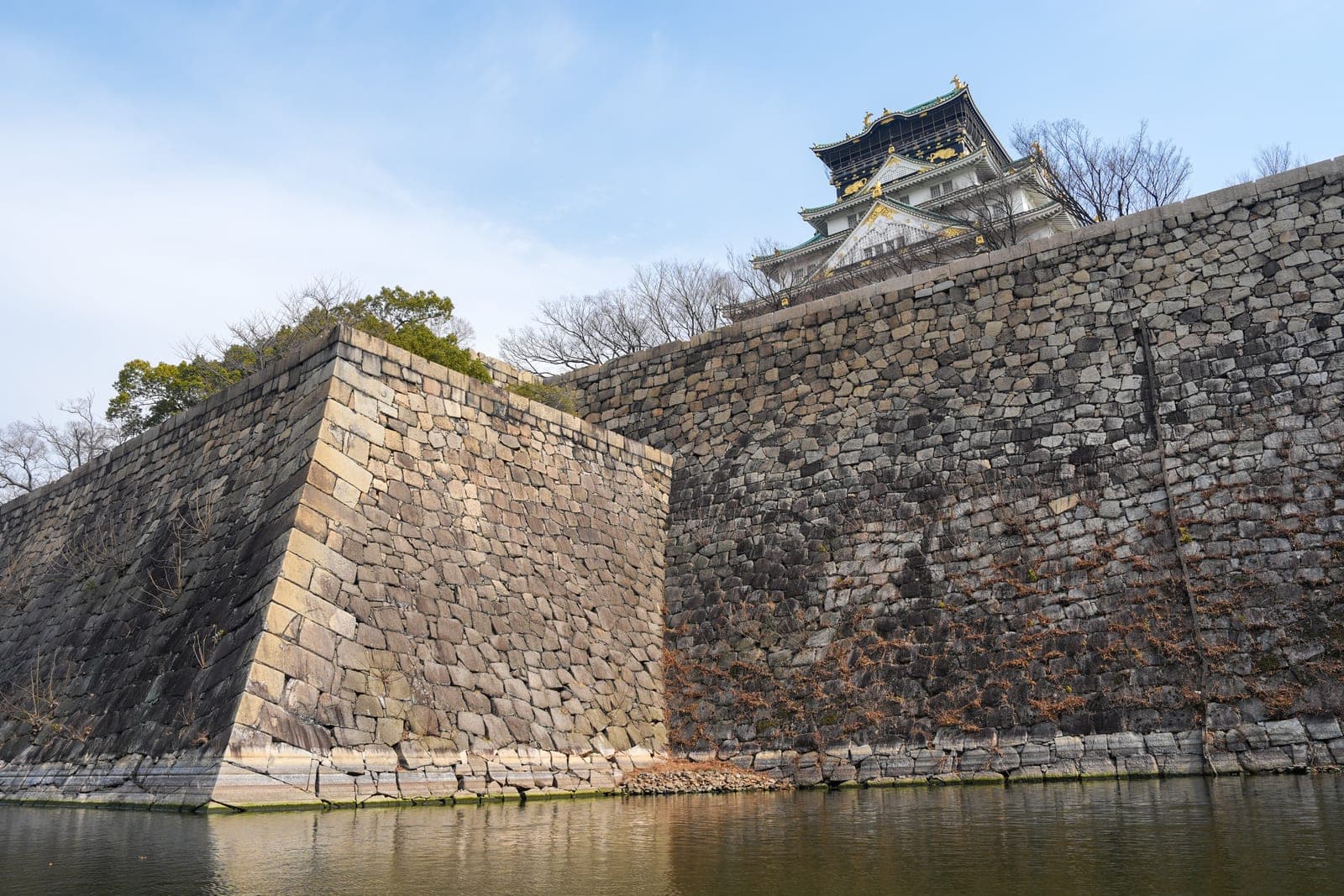
Booking is on-site only, and you'll usually be put on a boat about an hour after you book. The right move is to hit the Gozabune ticket booth before you go inside Tenshukaku, lock in your time, then walk through the castle floors and come back down for the boat. The booth sits on the path leading to the keep, so it's hard to miss.
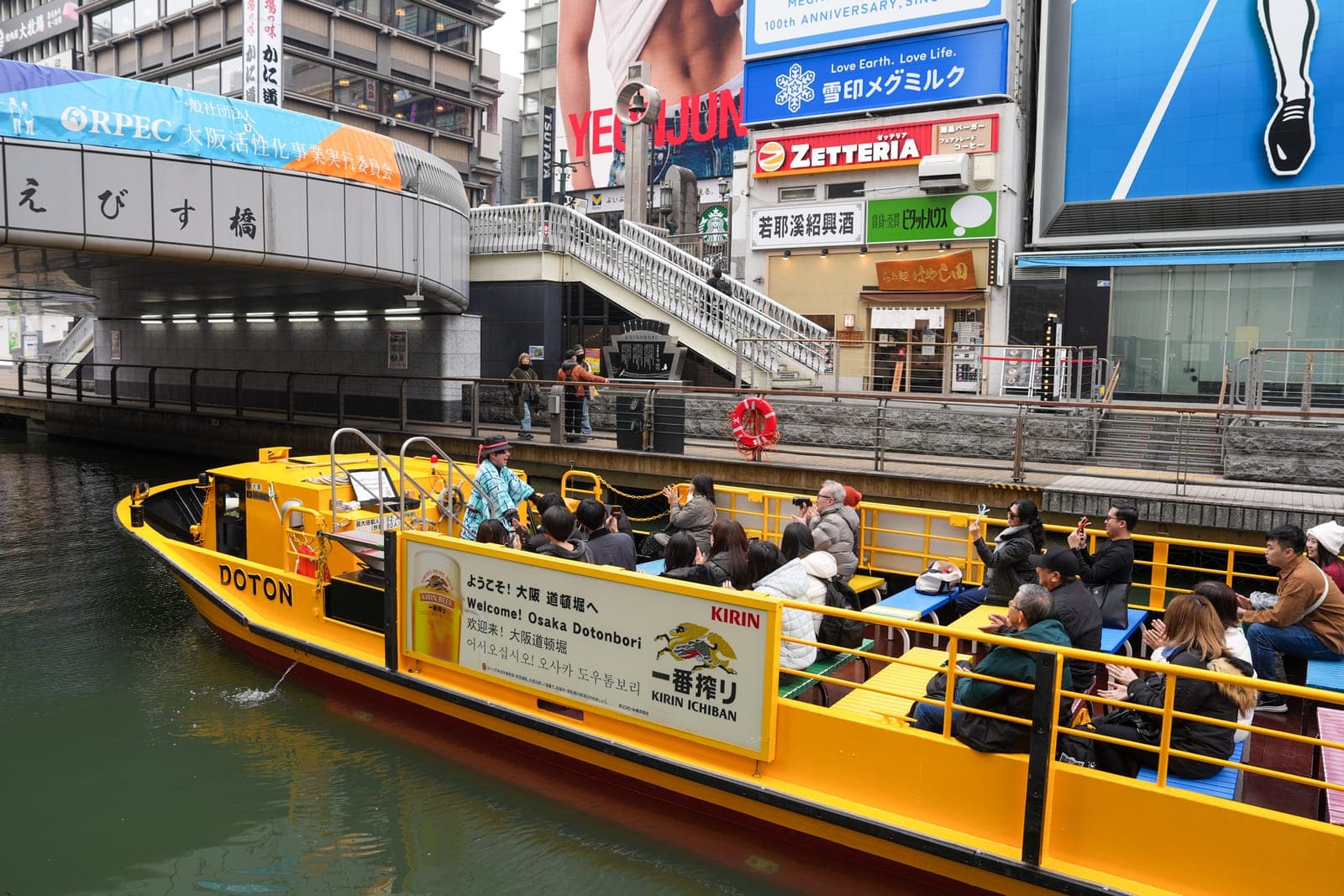
The boat does about a 20-minute loop on the inner moat. The day I went, the boat was packed — it's the kind of stop that consistently shows up on first-time Osaka itineraries. Looking up at Tenshukaku from the water gives a completely different scale than walking around the grounds, so it's a small thing but a clearly worthwhile pass perk.
Dotonbori River Cruise (and Wonder Cruise)
A 20-minute round trip on the Dotonbori canal. Face price is ¥2,000, which on its own is nearly half of a 1-day pass. Departures run every 30 minutes from 11 AM to 3 PM, then more frequently later. Same-day ticketing opens at 10 AM.
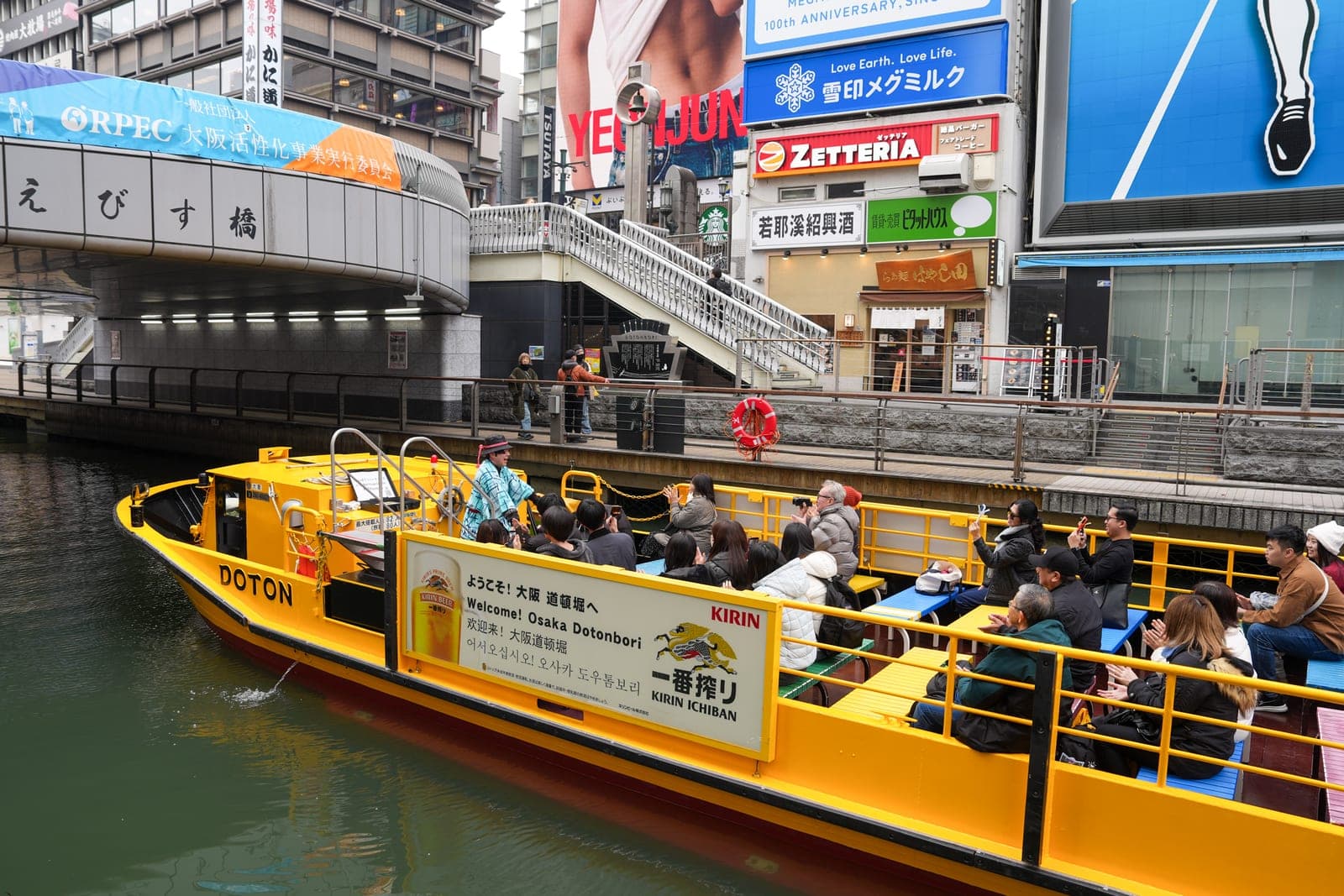
Booking is on-site only, and once you pick a time slot you can't change it, so don't double-book that hour with anything else. Evening / night departures sell out fastest if you specifically want the Glico-sign night shot — book yours as soon as you arrive in Dotonbori. I've actually started preferring earlier-morning slots: fewer people on the boat, cleaner water surface, and easier photos.
Sit on the right side. The boat parks in front of the Glico sign for about five minutes, and the photo angle is on the right. The crew also runs commentary and short audience moments through the loop, so the 20 minutes go faster than you'd expect.
Wonder Cruise is a separate but related pass-covered cruise on the same stretch — its key difference is that Wonder Cruise allows online advance booking while the regular River Cruise is on-site only. If you want to lock the time before you arrive, take Wonder Cruise.
Tsutenkaku and Shinsekai
The landmark observation tower in the Shinsekai district of southern Osaka. It's shorter than Umeda Sky Building or Harukas 300, but Shinsekai itself is the kushikatsu (deep-fried skewer) neighborhood, so the tower works best as an evening stop tied to dinner.
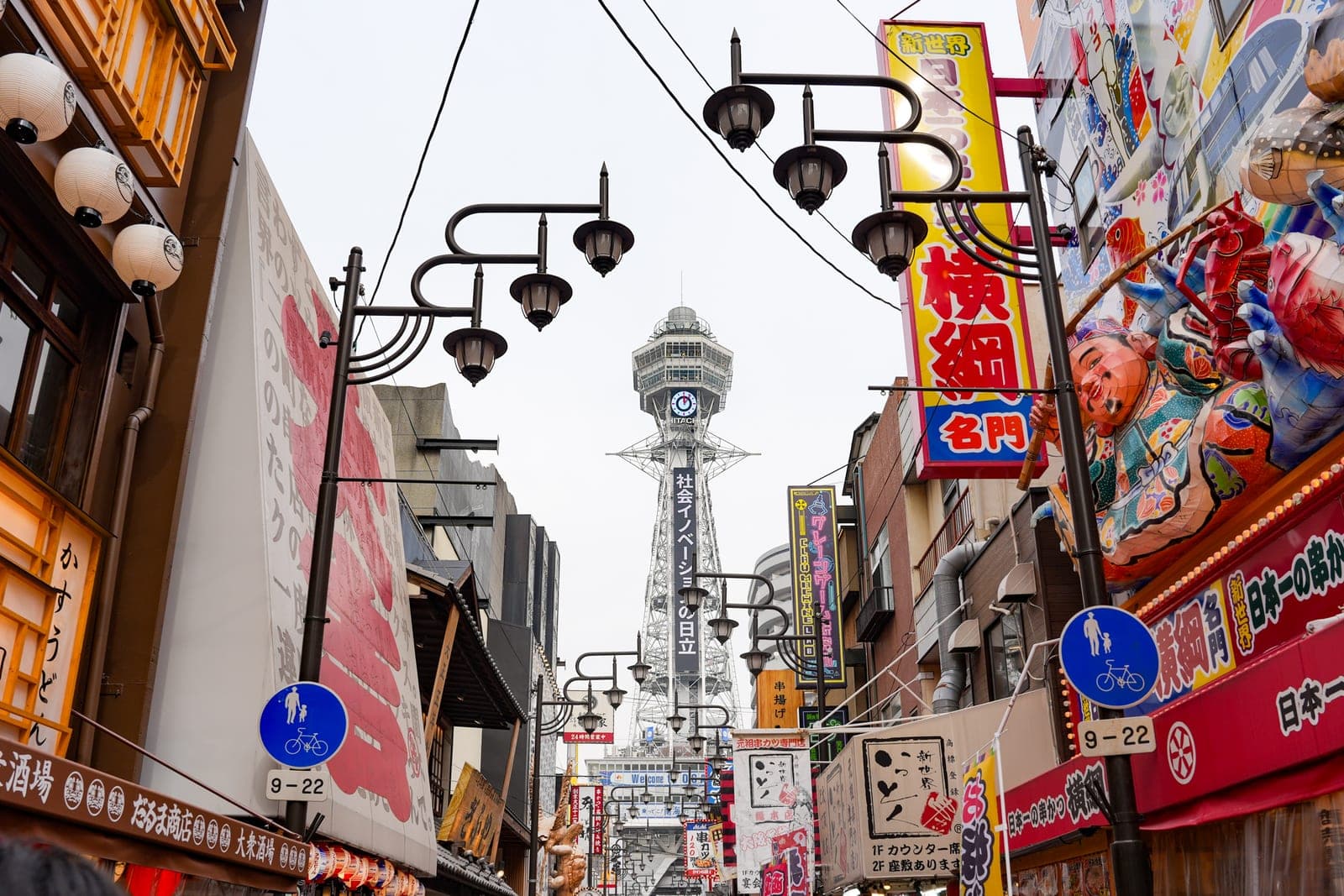
The tower has a couple of side attractions worth knowing about: the Tower Slider and DIVE & WALK, both free with the pass on weekdays. The slide is fun once but the queue can be long, so I'd ride it a single time and move on. There's a ¥300 add-on for the open-air rooftop deck — skip it. The mesh fencing makes photos awkward and the indoor deck already has the better view.
If I had to rank: Umeda Sky Building first, Tsutenkaku only if you're already in Shinsekai for dinner.
Umeda Sky Building and the Subway
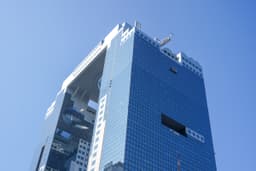
I've covered Umeda Sky Building in the dedicated Umeda Sky Building night-view guide, so I'll just note here that it's free with the pass and that a single sunset visit on top of a castle day already pushes a 2-day pass past break-even. The view at the floating-garden hour is on a different scale than anything you get from Tenshukaku or the river boat.
The subway side doesn't need a long writeup. All Osaka Metro lines and city buses are included, and at about ¥200 per ride, four or five rides a day stack up to roughly the cost of a 1-day pass on transit alone. Just remember JR, Hankyu, Keihan, and Nankai aren't covered, so route through the Metro when Google Maps offers both options.
Who Should Buy It — and Who Shouldn't
Worth it if you're
- planning three or more paid spots inside one or two days
- visiting two or three of Tenshukaku / Gozabune / River Cruise / Umeda Sky Building
- moving across different parts of the city (Namba ↔ Umeda ↔ Osaka Castle ↔ Shinsekai)
Skip it if you're
- on a shopping- and food-focused trip with only one or two paid attractions
- not interested in cruises or observation decks (these two categories carry over half the pass's value)
- staying in one neighborhood (e.g., Namba only) on a short trip — subway costs alone won't justify it
For a typical first-time 2-night-3-day Osaka trip, the pass almost always wins. On the route I lay out in the Osaka 2-night-3-day first-trip itinerary, the Tenshukaku + Umeda Sky Building + Dotonbori River Cruise stack alone clears the pass price.
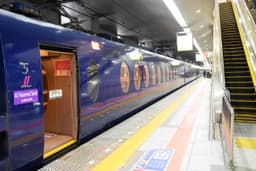
For airport transit, see the Rapi:t guide — Rapi:t isn't covered by the pass since it's a Nankai limited-express ticket. For Universal Studios Japan, see the USJ Express Pass guide — USJ is a separate ticket and isn't included in the Amazing Pass either. The TripFlowy planner can lay Umeda, Dotonbori, the castle, and Shinsekai onto one day grid so you can see exactly which day is heaviest on pass-eligible spots — that's the day to switch the pass on.
For the full list of covered venues and current operating hours, the Osaka Amazing Pass official site is the source of truth.
Book the Osaka Amazing Pass on Klook
via Klook
FAQ
Should I buy the 1-day or the 2-day Osaka Amazing Pass?
Is the 1-day pass 24 hours? When can I activate it?
Can one person buy the pass for the whole group?
Where's the cheapest place to buy the pass?
Are JR or private rail lines free with the Osaka Amazing Pass?
Are USJ or Rapi:t included in the Osaka Amazing Pass?

Written by
Huiwon Kim (Check Kim)
Founder, TripFlowy · Travel Creator
Travel creator covering Asia since 2007. Known as Check Kim (책킴) in Korea, boarded 64 flights in 2025 alone. 20+ trips to Japan, with personally tested spots across 50+ cities in 15+ Asian countries. Writes about theme parks, airport transit, observation decks, and day-trip routes from major cities.
Plan a trip to this destination
Start Planning
Book the Osaka Amazing Pass on Klook
¥3,500 1-day / ¥5,000 2-day (face price; cheaper on Klook)