
Kawagoe Day Trip: Seibu Pass & Chopstick Making
 Huiwon Kim (Check Kim)2026-04-27Updated 2026-10-275 min read
Every photo in this post was taken on site by Check Kim.
Some links are affiliate links — we may earn a small commission at no extra cost to you.
- Getting there
- Seibu-Shinjuku → Hon-Kawagoe direct, about 1 hour
- Rail pass
- Seibu Kawagoe Pass (digital) · tap the QR at the gate
- Time needed
- Half a day to 6 hours
- Workshop
- Karaki Mokko chopstick making from ¥1,980 · about 30 min
Contents · 5
Kawagoe's Edo-era streets are an hour from Seibu-Shinjuku with no transfers. Use the Seibu Kawagoe Pass and fit in eel, sweet potato and a workshop.
Kawagoe is an Edo-era town in Saitama, an hour from Seibu-Shinjuku Station in Tokyo with no transfers. A round trip on the Seibu Kawagoe Pass costs less than two one-way tickets, and half a day is enough to see the Kurazukuri warehouse street, eat eel and make your own chopsticks at a woodworking studio. It's my pick when you want a small-town feel close to Tokyo.
I left Seibu-Shinjuku early in the morning, walked the old streets before lunch, stopped at the chopstick workshop after eating and was back in Tokyo by the afternoon. I've brought chopsticks home from Japan as souvenirs plenty of times, but this was the first time I'd carved a pair myself.
Getting there: the Seibu Kawagoe Pass
One Seibu train runs from Seibu-Shinjuku to Hon-Kawagoe. It's about an hour on a regular train, or about 45 minutes on the limited express for an extra ¥600. You can buy limited express tickets at the station counter or on smooz, which has an English page.
I bought the Seibu Kawagoe Pass (digital) on Klook ahead of time. It covers a round trip between Seibu-Shinjuku and Hon-Kawagoe and was cheaper than buying two one-way tickets.
There's no paper ticket; you ride with a QR code, which was easy. Tap Activate in the voucher to show the QR code, then hold it to the gate reader marked QR and walk through.
Seibu-Shinjuku is the first stop and Hon-Kawagoe the last, so even the regular train had seats. The train was clean and the views along the way were nice, so if you're not in a hurry, the regular train is fine. Leave early and you'll be back in Tokyo by the afternoon with your evening free.
Kurazukuri Street and Toki no Kane
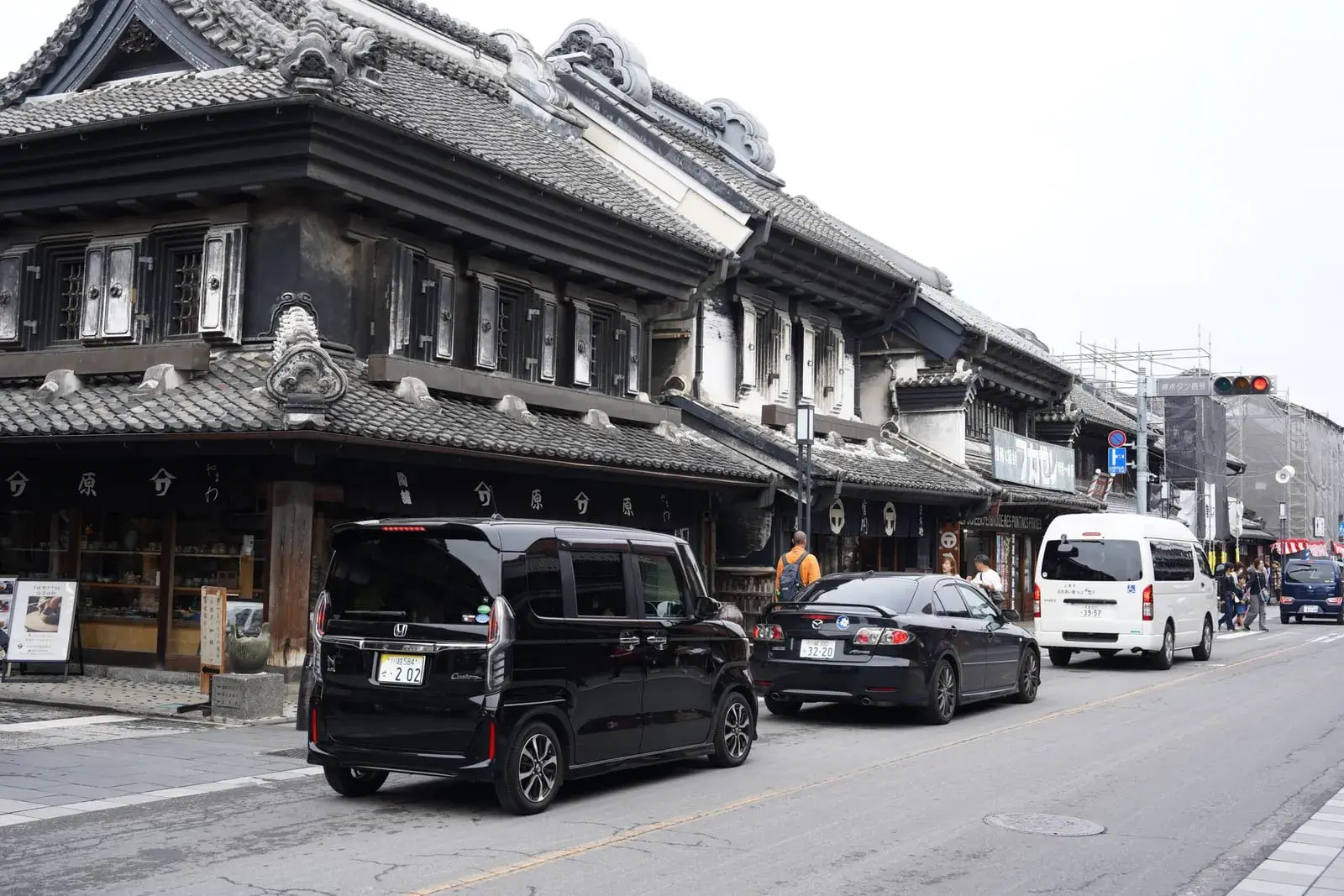
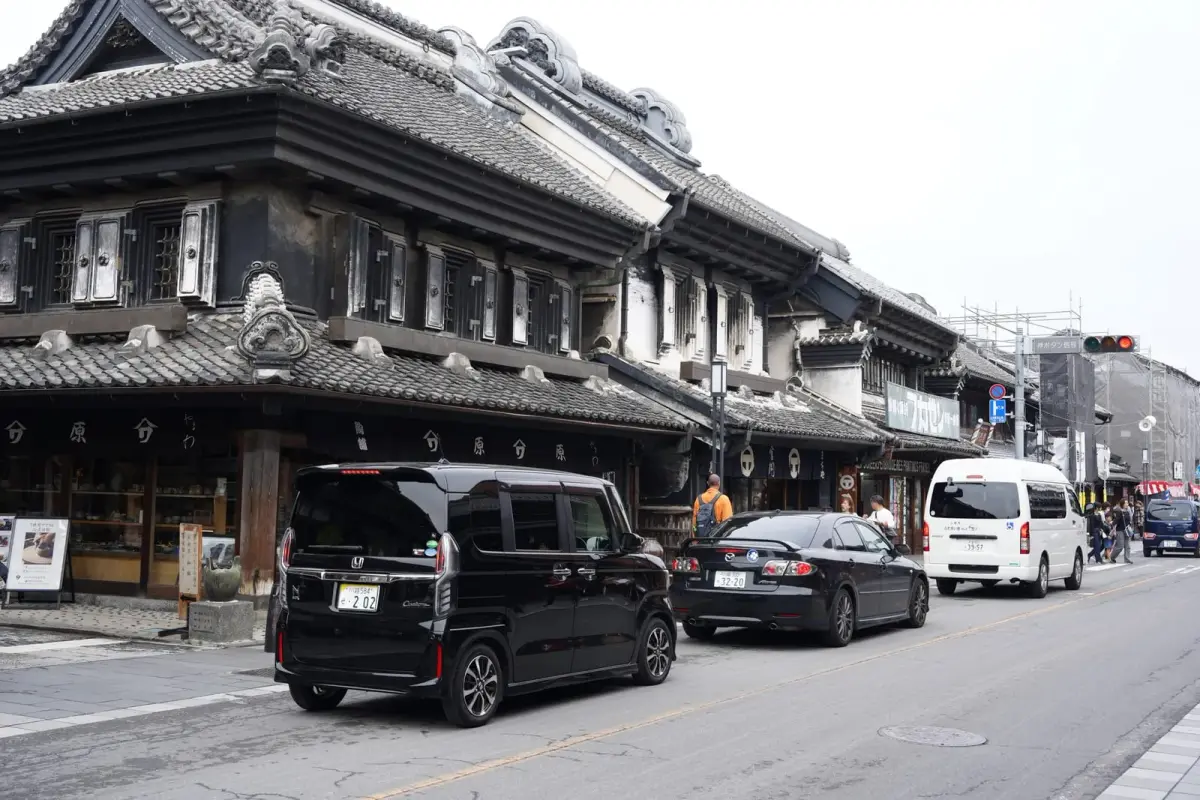
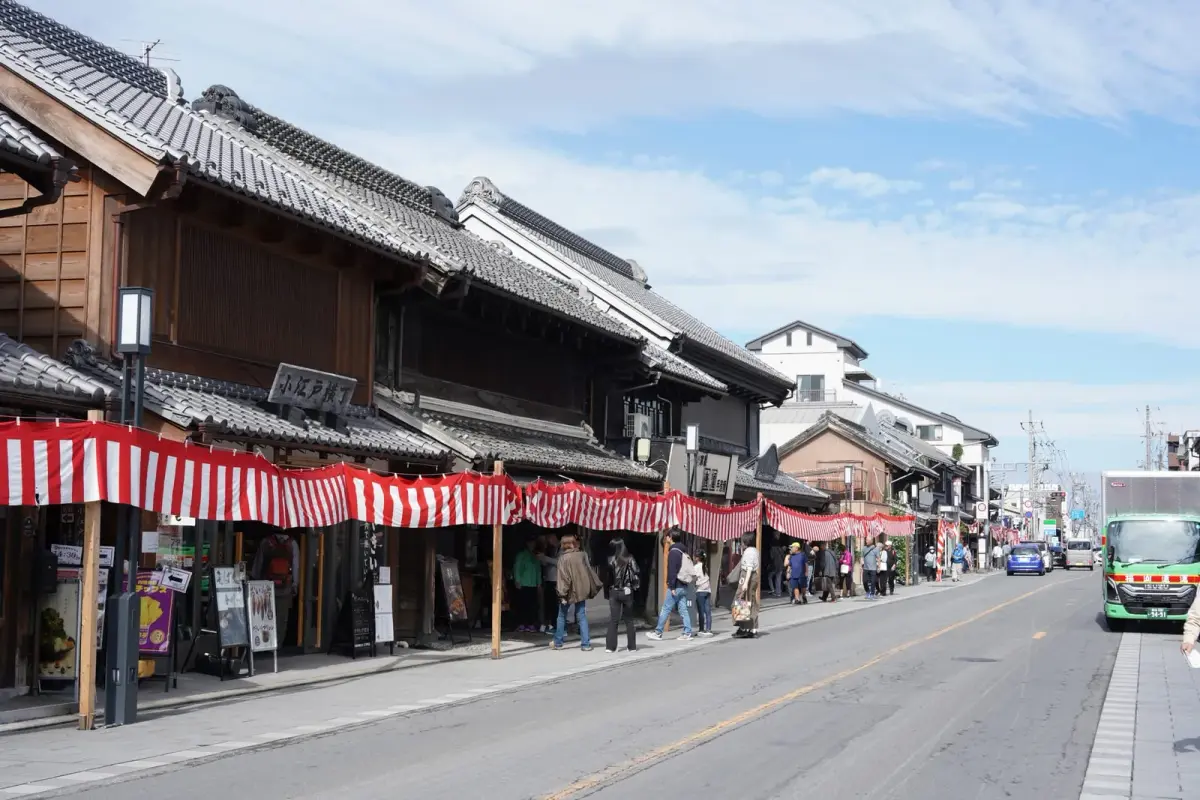
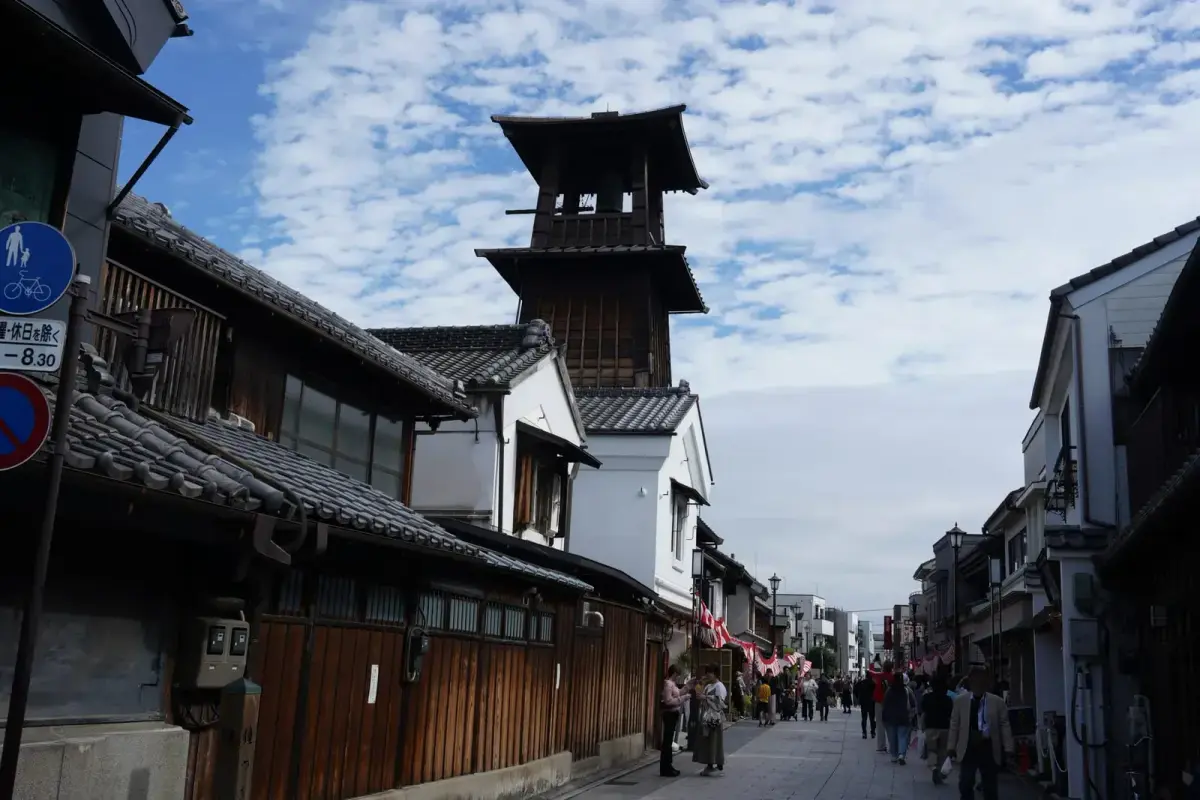
The two must-sees in Kawagoe are Kurazukuri Street and Toki no Kane. Unlike modern Tokyo, Kawagoe still looks the way it did in the Edo period.
Walking down Kurazukuri Street, you pass rows of traditional black-walled storehouses. The area was designated an important preservation district for historic buildings in 1999, so even the shop signs keep their old style, and every angle makes a good photo.
Step a little off the main street and you'll see Toki no Kane, Kawagoe's symbol. It's a bell tower that marks the time, ringing four times a day: at 6 a.m., noon, 3 p.m. and 6 p.m. The three-story wooden tower was bigger in person than I expected.
Eel at Unagi Denbe and sweet potato ice cream
Kawagoe is known for its snacks and restaurants, and I lined up for the mini eel rice bowl at Unagi Denbe. They grill the eel over charcoal right in front of you, so it smells amazing, and at about ¥800 a portion it's an easy way to try eel without committing to a big meal.
The ordering system is a little unusual: you order and pay at the kiosk first, then join the line. If you queue first, you'll lose time, so find the kiosk first.
Afterward I moved next door to Kawagoe Pudding. Kawagoe is famous for sweet potatoes, and their signature is vanilla ice cream topped with sweet potato cream. Plain vanilla is ¥400, and the sweet potato topping is only ¥50 more, so there's no reason to skip it. The two flavors went together better than I expected, and cards were accepted.
Character shops: Chiikawa and Miffy
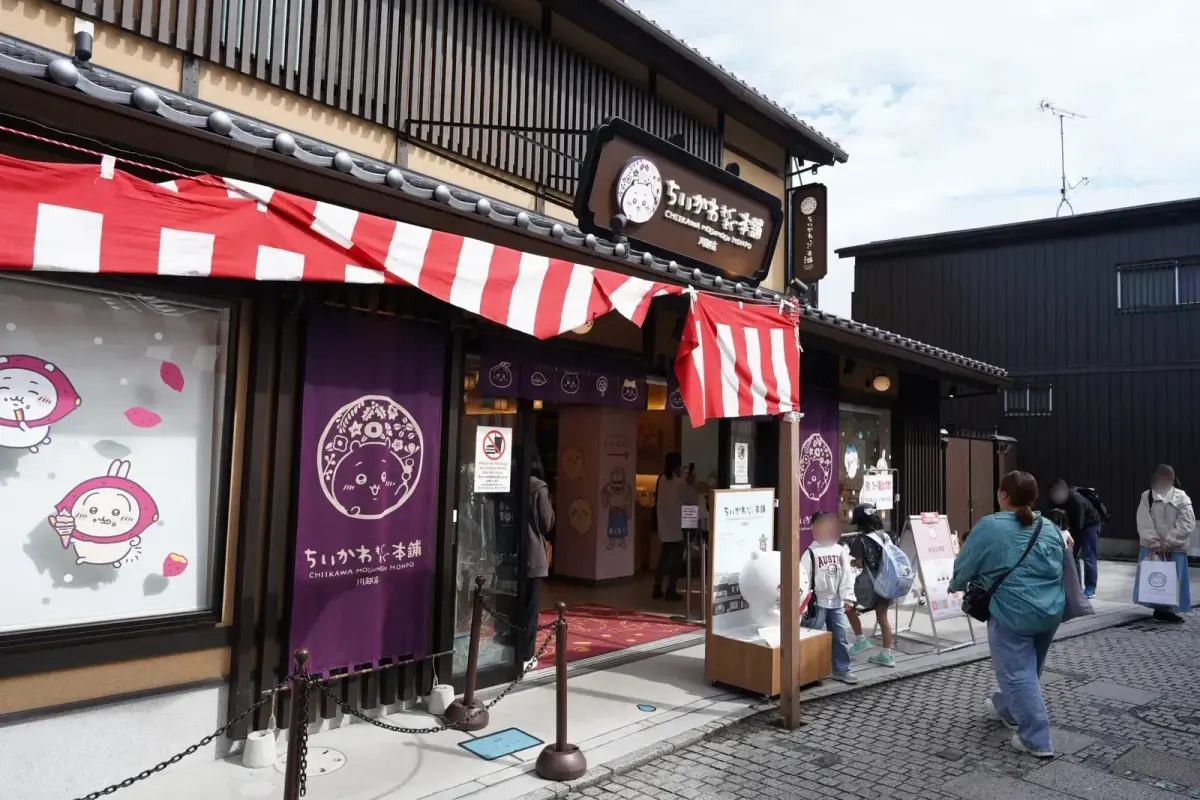
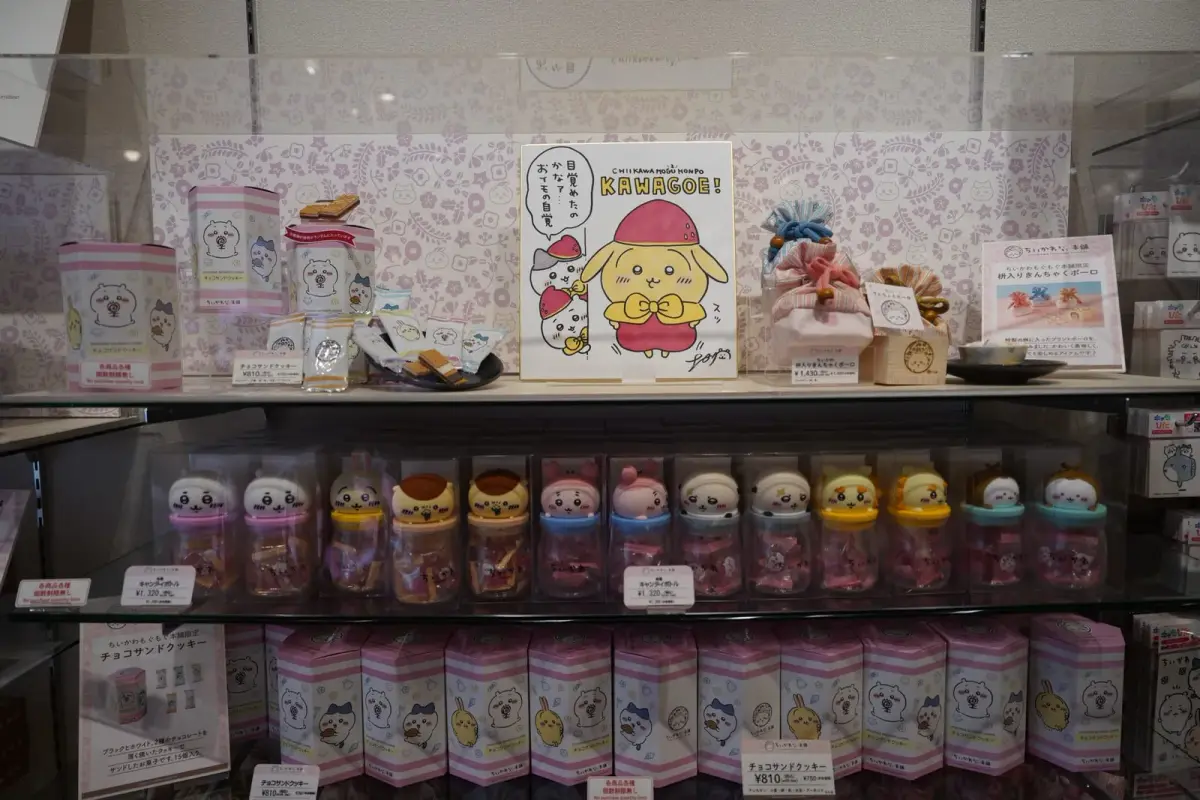
Browsing character shops is part of the fun of small-town Japan. Chiikawa Mogumogu Honpo Kawagoe is one of only two in Japan, and it was packed with Japanese visitors. The photo spots inside are well done, and families with kids were taking lots of pictures.
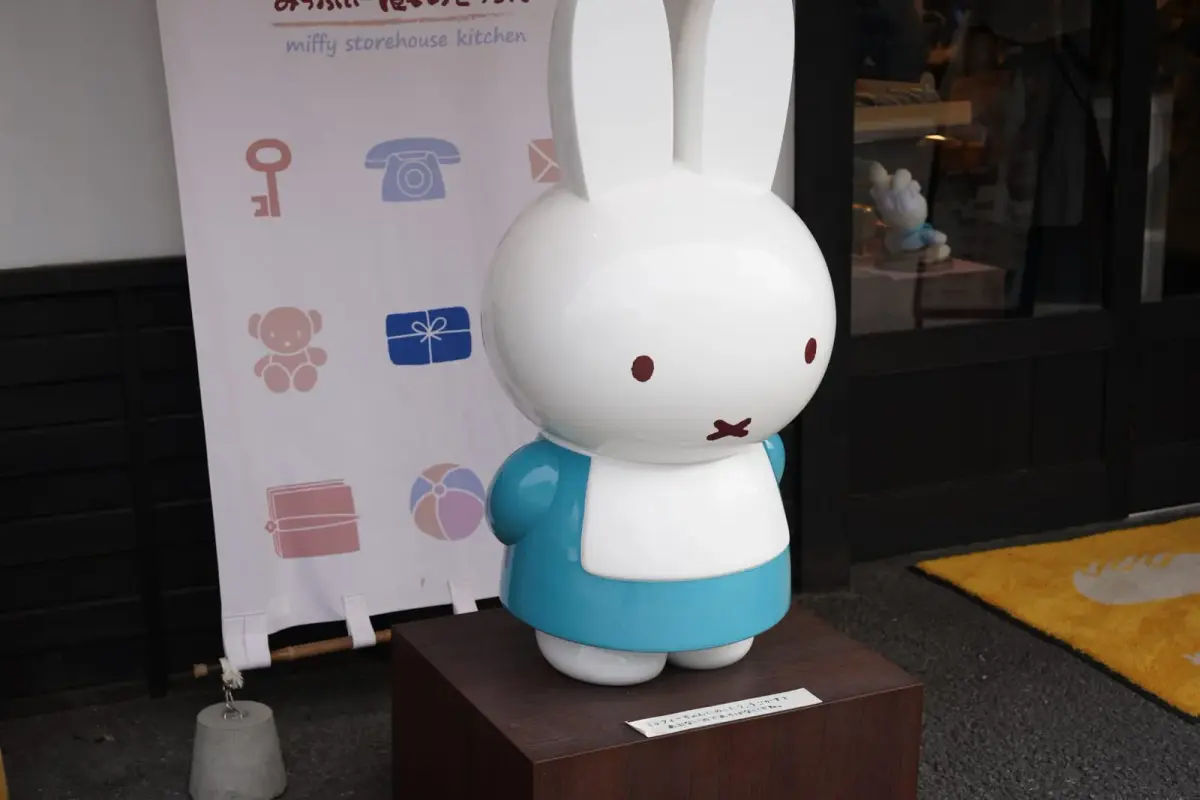
Miffy Kura no Kitchen & Bakery Kawagoe is a bakery and character shop in one. When I went it was open from 10 a.m. to 6 p.m., though hours may change by season. You can have Miffy chopsticks engraved with your name or get matching bowls as a set, and the Miffy-shaped bread makes a cute snack.
Karaki Mokko: carve your own chopsticks
The thing I was most excited about on this trip was the chopstick workshop at Karaki Mokko. Prices depend on the wood, starting at ¥1,980 for the cheapest. It's so popular with overseas visitors that there's often a wait, so I'd book ahead. The first weekday session starts at 12:30 p.m., and I timed my visit for that.
Choose your wood and pay
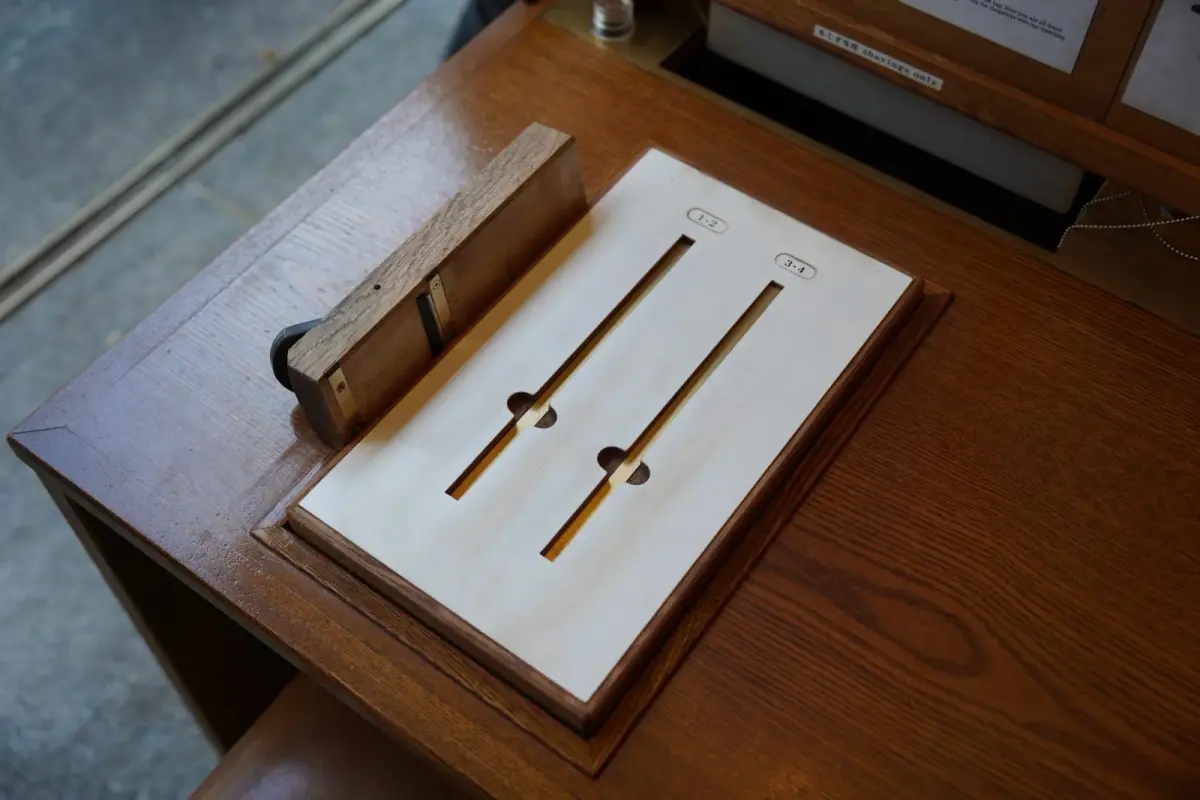
Shave a square block into a chopstick shape with a plane
Smooth the surface with sandpaper
Finish with an oil coating
You have to rotate the wood as you plane it, which was surprisingly fun, and when I got stuck, a staff member next to me kept showing me what to do. The whole thing takes about 30 minutes, the perfect length to fit into a day of sightseeing.
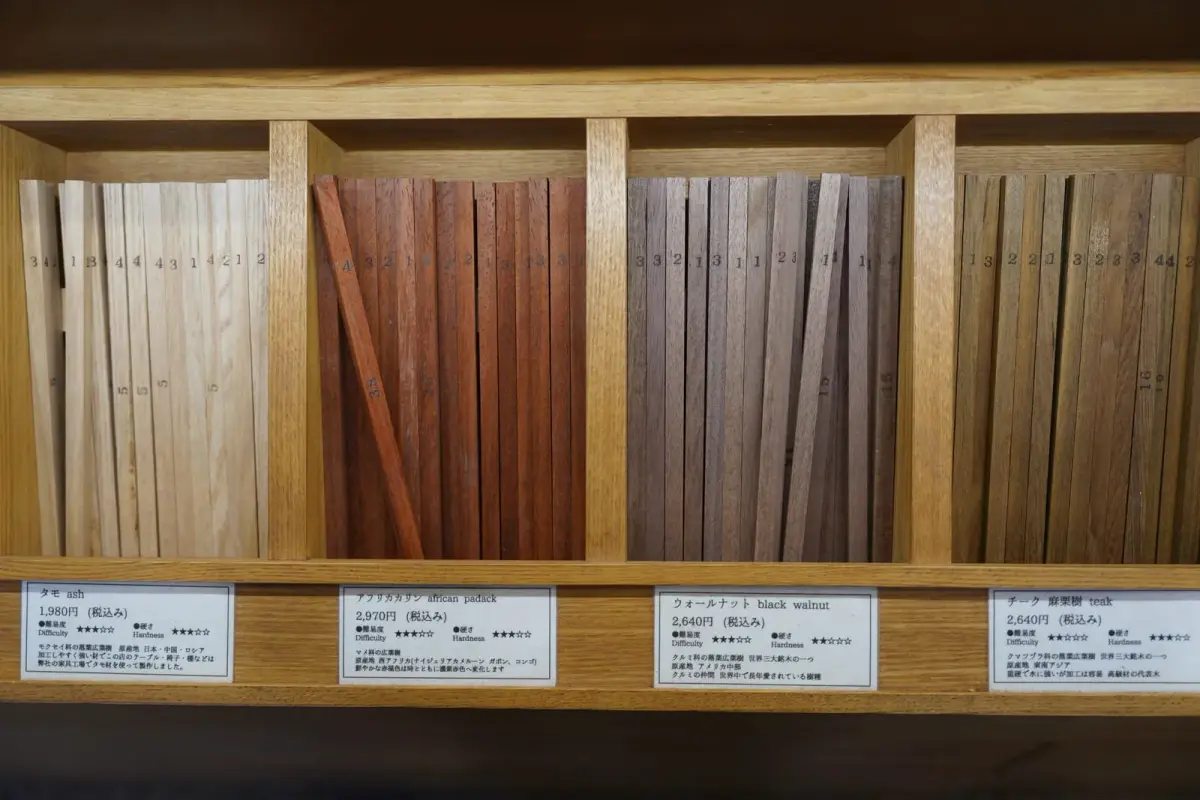
Besides chopsticks, Kawagoe has kimono and yukata rental and daruma-making studios, so picking one activity you like makes the day even better. Seeing Kurazukuri Street and Toki no Kane in the morning, having lunch and then making the 12:30 workshop session was the most natural order.
If you can spare a day away from central Tokyo, a nearby town like Kawagoe is a great addition. For getting to Seibu-Shinjuku, see my Tokyo subway guide, and if you want a night view the same evening, the Tokyo Metropolitan Government Building observatory near Shinjuku is free.
FAQ
How long does it take to get from Tokyo to Kawagoe?
How do I use the Seibu Kawagoe Pass?
What should I eat in Kawagoe?
Do I need to book the chopstick workshop at Karaki Mokko?

Written by
Huiwon Kim (Check Kim)Founder, TripFlowy · Travel Creator
Travel creator on the road since 2007. Known as Check Kim (책킴) in Korea, boarded 64 flights in 2025 alone. 20+ trips to Japan, with personally tested spots across 50+ cities in 20+ countries in Asia, Europe and the Americas. Writes about theme parks, airport transit, observation decks, and day-trip routes from major cities.
Comments