
Tokyo Subway Guide — How to Ride, Subway Pass & Tips (2026)
How to ride the Tokyo subway as a tourist. Subway pass prices, JR vs Metro lines, how to transfer, and practical tips from frequent visits.
How to Ride the Tokyo Subway — A Tourist's Complete Guide
The Tokyo subway system (Tokyo Metro + Toei Subway) looks overwhelmingly complex on a map, but it's actually straightforward once you're in it. Tokyo has 13 subway lines carrying roughly 8 million passengers daily — one of the largest subway systems in the world.
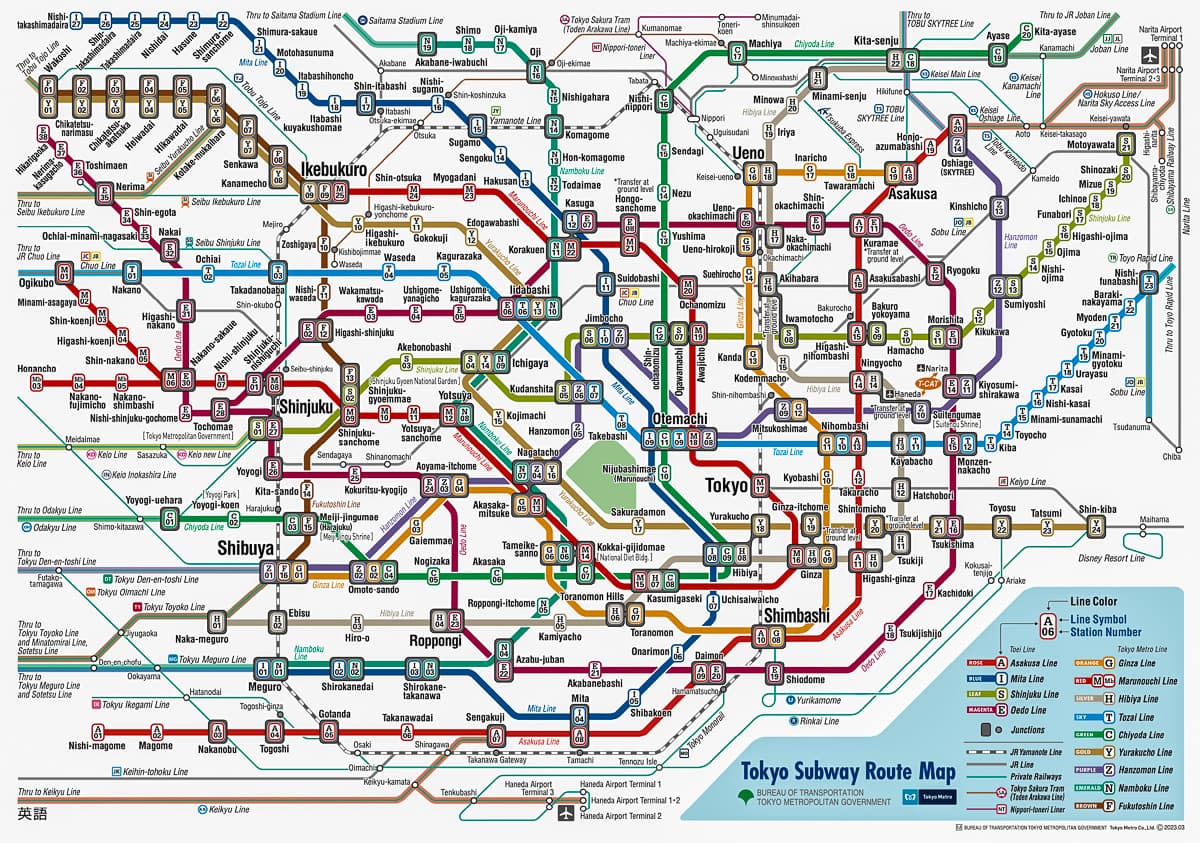
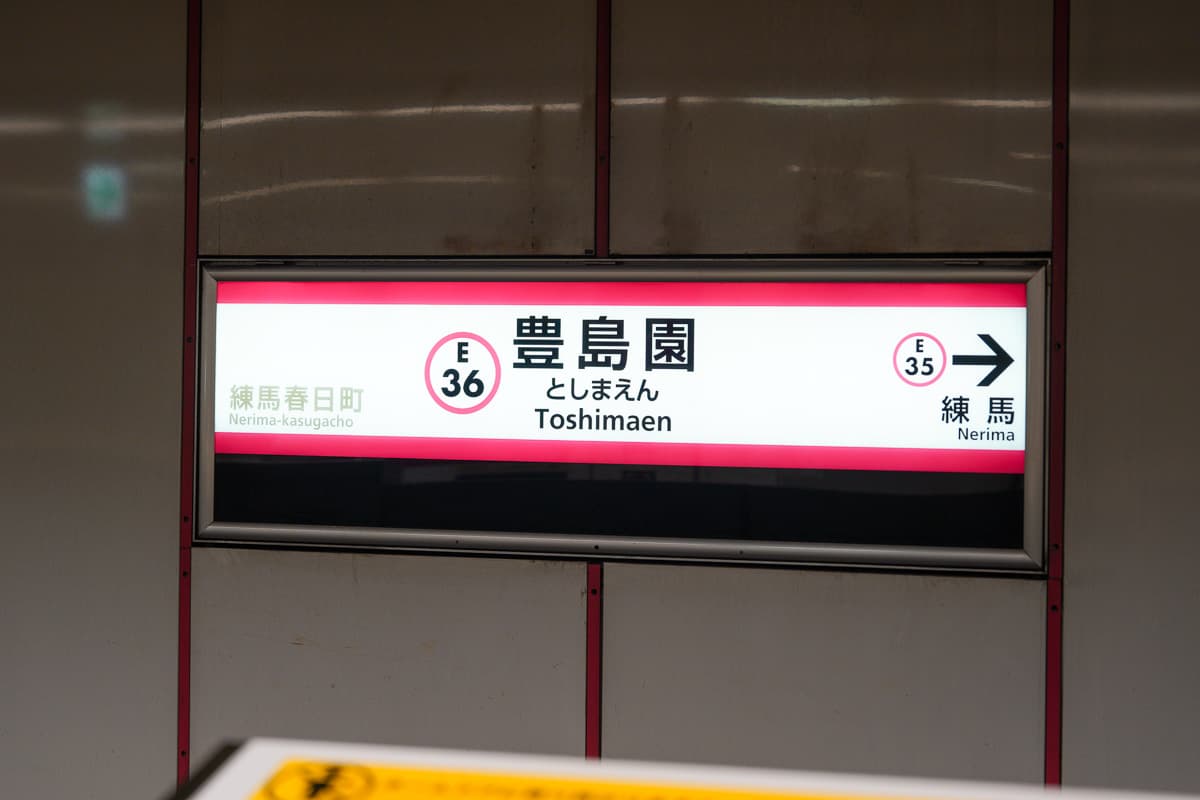
I visit Tokyo 1–2 times a year. The subway was my biggest worry on my first trip. Turns out, you don't need to memorize any maps. Every station has an alphabet + number code (e.g., G09 = Ginza Line, Ginza Station). Just match that code on Google Maps and you're set.
Key Info
- Lines: Tokyo Metro (9) + Toei (4) = 13 subway lines
- Hours: First train ~05:00 / last train ~00:00 (last trains are earlier than many cities)
- Single ride: ~¥210 (varies by distance)
- Subway Pass: 24hr ~$5 / 48hr ~$7.50 / 72hr ~$10 (Klook prices, 2026)
- How to ride: Search route on Google Maps → note station code (letter+number) → board that line
Subway Pass — Almost Essential
A single Tokyo subway ride costs ~¥210 (~$1.50). Ride 3–4 times a day and you're over $6. The 24-hour pass costs ~$5 — unlimited rides. You break even after just 2 trips.
Pass options (2026 Klook prices):
- 24 hours: ~$5
- 48 hours: ~$7.50
- 72 hours: ~$10 (covers a 4-day/3-night trip easily)
Key detail: it's time-based, not date-based. Start using a 24-hour pass at 3pm and it's valid until 3pm the next day. Effectively two days of use.
Buy Tokyo Subway PassHow to Buy & Activate the Pass
- Step 1: Buy on Klook → receive QR code voucher
- Step 2: At any Tokyo Metro/Toei station, find the ticket machine with QR scanner → scan code → receive physical card pass
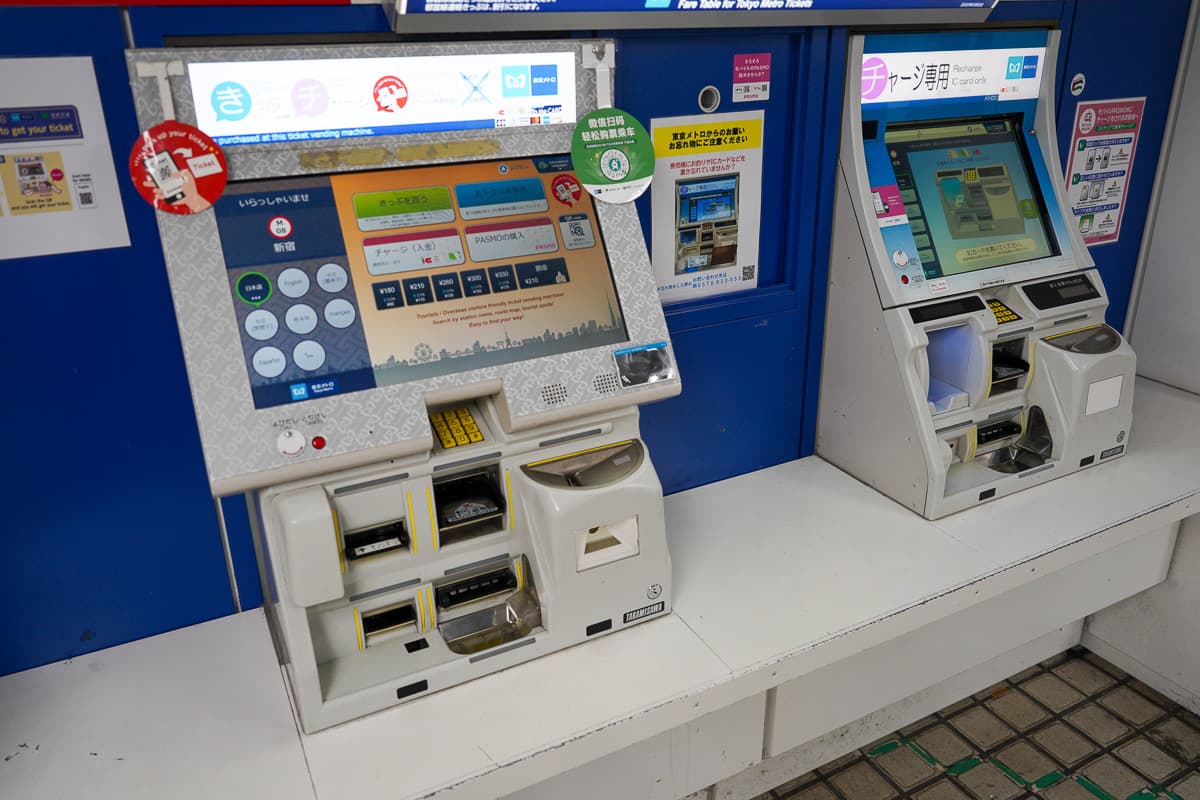
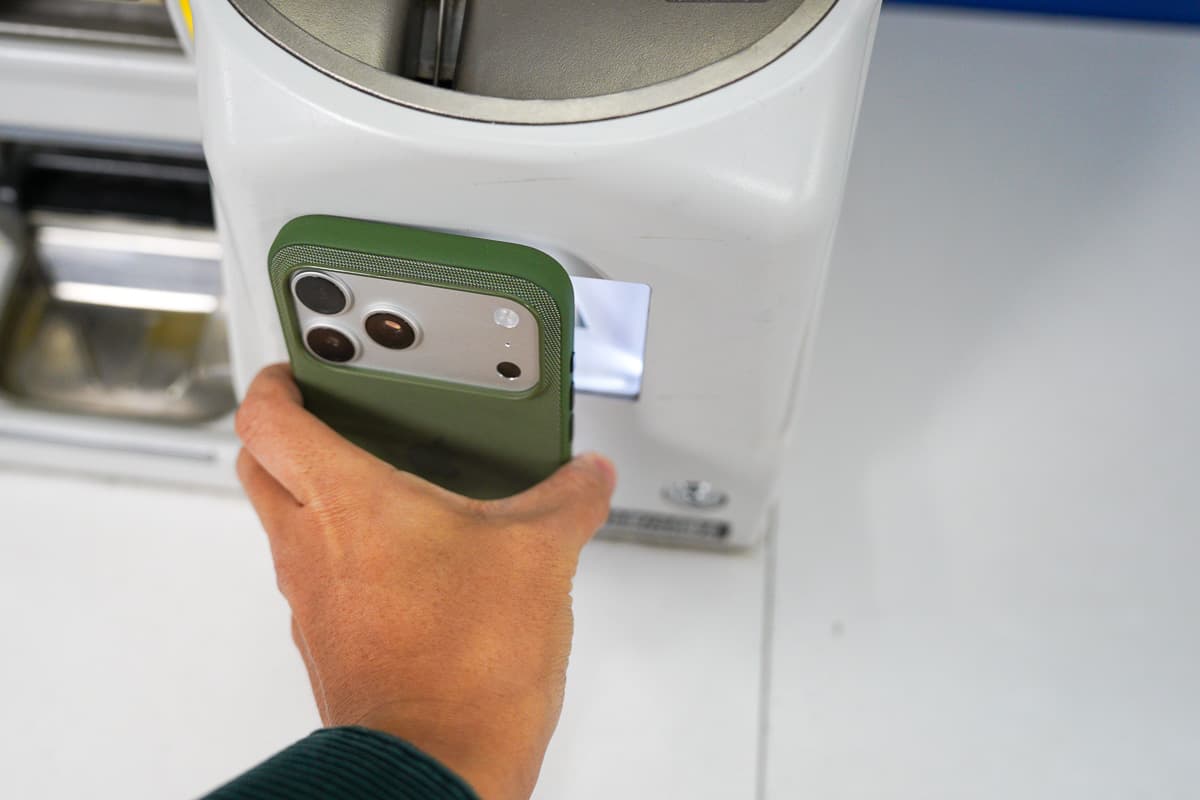
- Step 3: Enter through gates with the yellow card slot — insert your pass card
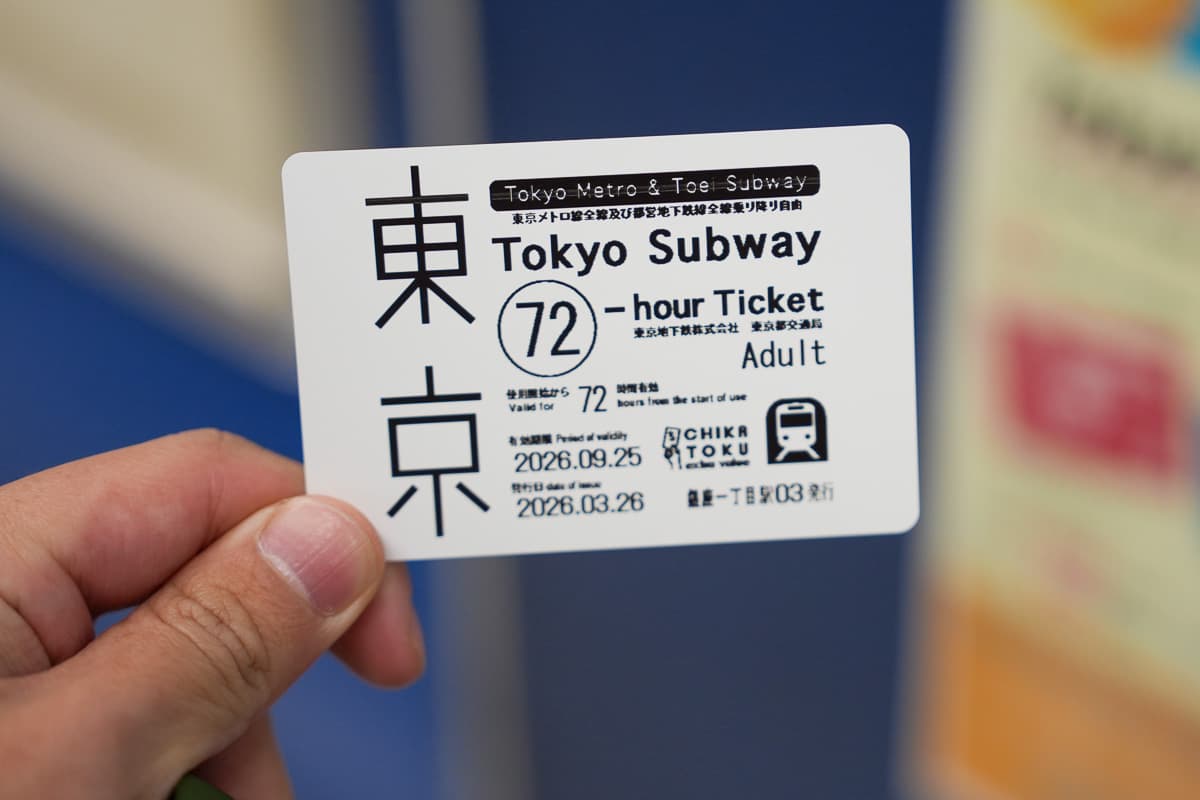
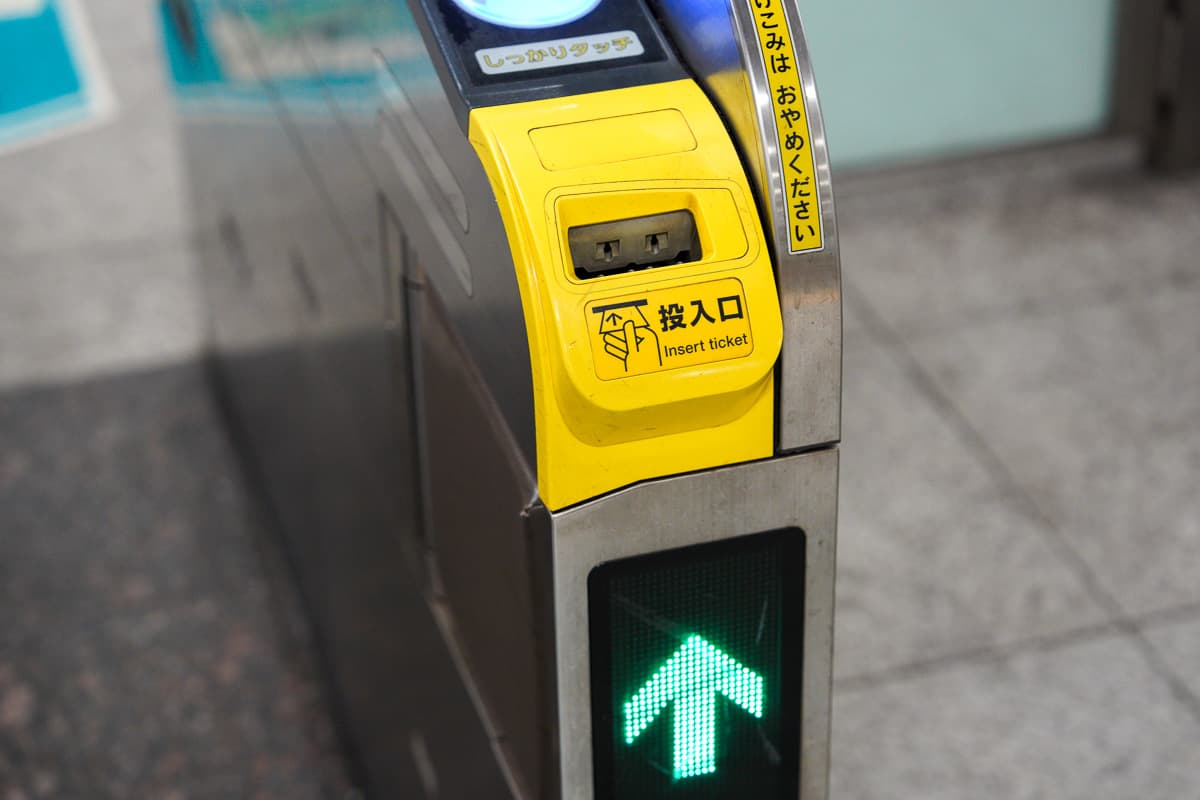
Most Metro/Toei stations have exchange machines. Look for the machine with a QR reader — it looks slightly different from regular ticket machines. Korean/English language option available.
The timer starts when you first insert the card at a gate, not when you exchange it. So you can pick up the card early and start using it later.
JR Lines vs Metro Lines — The Key Distinction
The most important thing about Tokyo's subway: JR and Metro are different companies. Your subway pass only works on Metro/Toei lines. JR lines require separate payment.
How to tell them apart:
- On Google Maps, look at the line icon: circle (○) = Metro/Toei → pass works
- Square (□) or "JR" label = JR line → pass doesn't work, pay separately
Real examples:
- Shinjuku → Shibuya: Google Maps suggests JR Saikyo Line (square), but the Fukutoshin Line (circle) takes just 10 minutes longer
- Ginza → Disneyland: Must use JR Keiyo Line — separate fare (~¥410)
Even when Google Maps recommends JR, there's often a Metro alternative just 5–10 minutes longer. If you have a pass, always check for the Metro route.
Finding Your Way in Stations
Every station has an alphabet + number code. For example:
- G09 = Ginza Line (G), Ginza Station (stop #9)
- M25 = Marunouchi Line (M), Ikebukuro Station (stop #25)
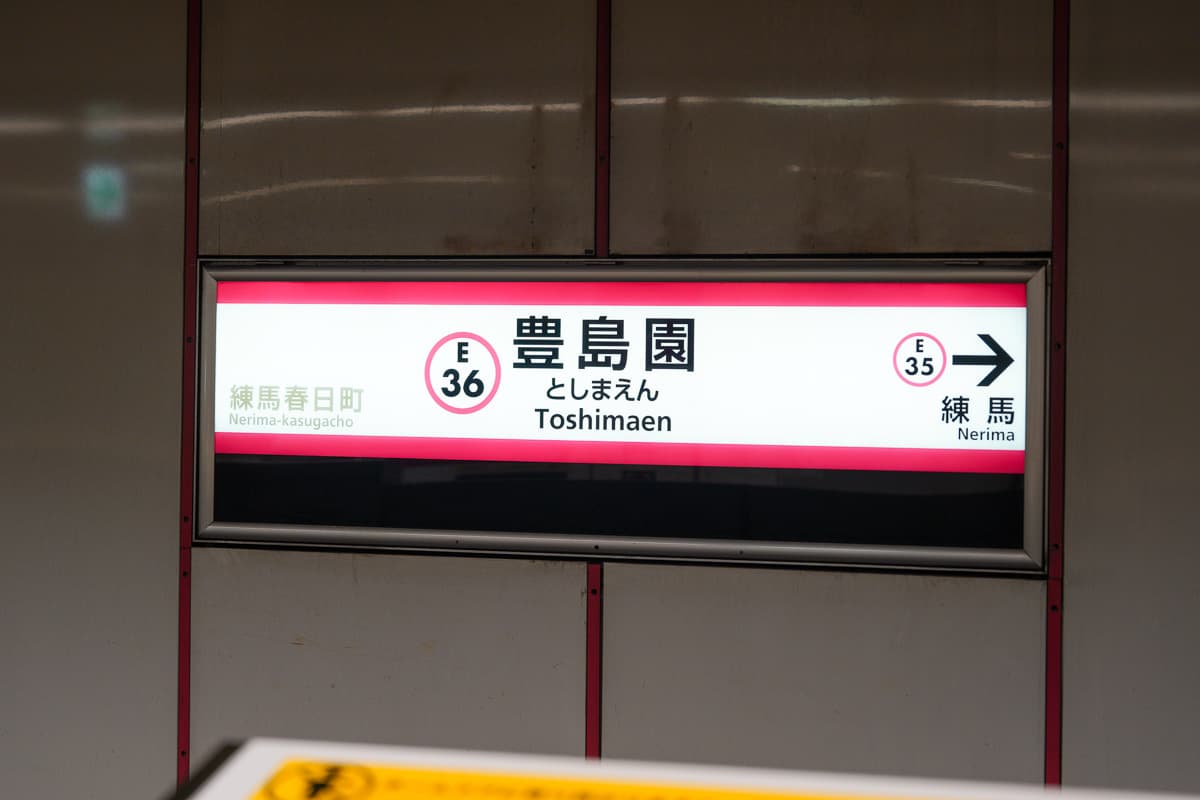
Google Maps shows these codes when you search for directions. Inside the station, follow the code to find your platform. No need to memorize the map — just follow the numbers.
Large stations like Shinjuku have dozens of exits. Google Maps will specify "Exit #X" — follow it exactly.
Subway Etiquette
Tokyo subway riders are exceptionally orderly. Knowing basic etiquette helps:
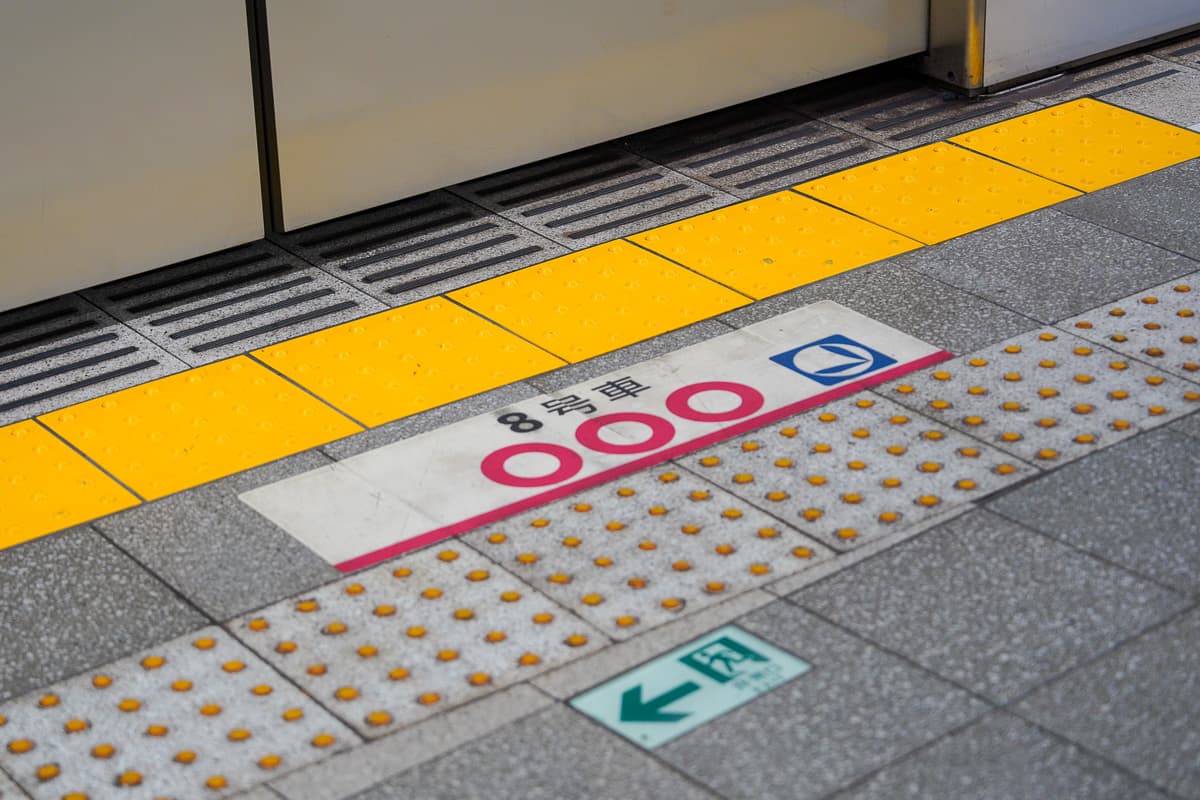
- Queuing: Floor markings show where to stand. Line up at the marked spots, not in front of the doors. Let passengers exit first
- Stairs: Separate lanes for going up and down
- Women-only cars: Some lines run these during weekday rush hours (~until 8:30am)
- No phone calls: Talking on the phone in the train is considered rude
- Don't walk and phone: Avoid using your phone while walking in stations
Rush hour (7–9am) is extremely crowded. Skip it if possible, or wait for the next train.
Tips From Frequent Visits
- 72-hour pass covers transportation for a 4-day Tokyo trip
- Time-based system means 24hr pass effectively covers 2 days
- Check line icons on Google Maps: ○ = pass works, □ (JR) = pay separately
- JR routes often have Metro alternatives just 5–10 min longer
- Station codes (G09, M25) are all you need — no memorizing maps
- Use yellow gates for pass cards — regular gates won't work
- Last trains run around midnight — earlier than many cities
- No need for Suica/ICOCA cards if you have the subway pass
- Narita Airport ↔ city is outside pass coverage — use Skyliner or limousine bus separately
For official schedules, fares, and route maps, check the Tokyo Metro official site and Toei Subway.
If you're building a Tokyo itinerary, try the TripFlowy planner to automatically combine subway-accessible spots into a full day. For getting from Narita to the city, see our Skyliner guide. For the return trip, check the limousine bus guide.
Buy Tokyo Subway Pass
via Klook
FAQ
How much is the Tokyo subway pass?
Can I use the Tokyo subway pass on JR lines?
Where can I exchange the Tokyo subway pass?
Is the Tokyo subway hard to navigate?
What time is the last train in Tokyo?
When does the Tokyo subway pass time limit start?
Which gate do I use with the Tokyo subway pass?

Written by
Huiwon Kim (Check Kim)
Founder, TripFlowy · Travel Creator
Travel creator covering Asia since 2007. Known as Check Kim (책킴) in Korea, boarded 64 flights in 2025 alone. 20+ trips to Japan, with personally tested spots across 50+ cities in 15+ Asian countries. Writes about theme parks, airport transit, observation decks, and day-trip routes from major cities.
Plan a trip to this destination
Start Planning


Buy Tokyo Subway Pass
From ~$5 (24hr)